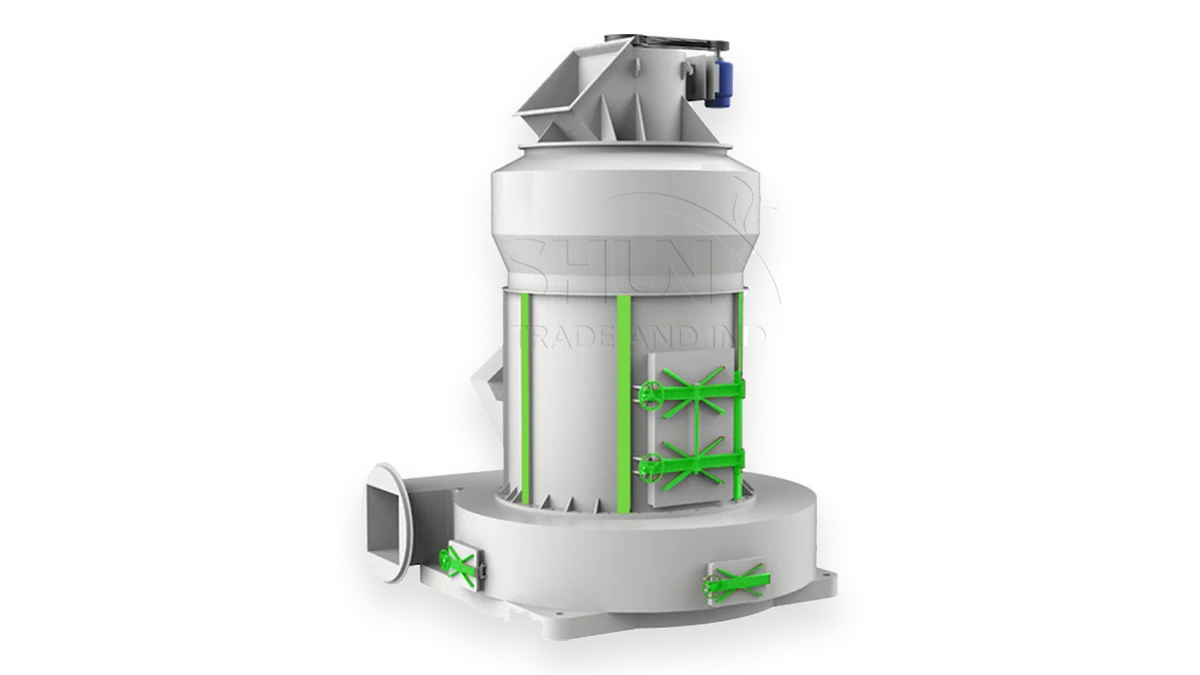
Equipment option
Hammer Mill
Hammer rotor inside a vertical casing that breaks caked and lumpy fertilizer down to a set particle size.
View details → Get a Proposal
Compare each machine by material, duty, product target and connected process.
Confirm composition, moisture, particle condition and contaminants.
State capacity with units, operating hours and variability.
Define form, size, moisture, formula and package.
Include upstream, downstream, utilities and environmental controls.
14 dedicated pages with distinct names and process roles.
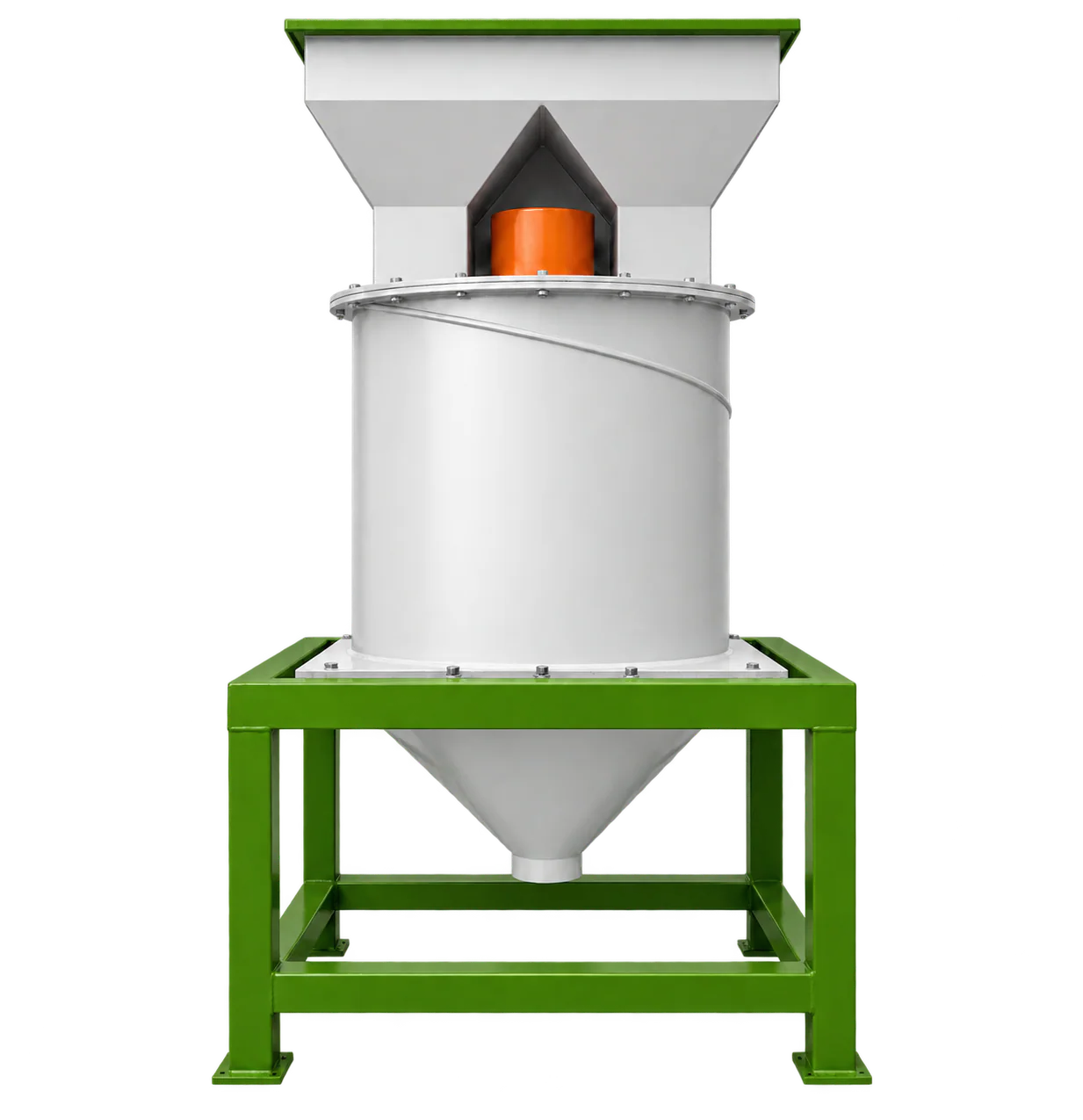
Hammer rotor inside a vertical casing that breaks caked and lumpy fertilizer down to a set particle size.
View details →
Rotor with swinging hammers that takes sticky, high-moisture material without blinding the screen.
View details →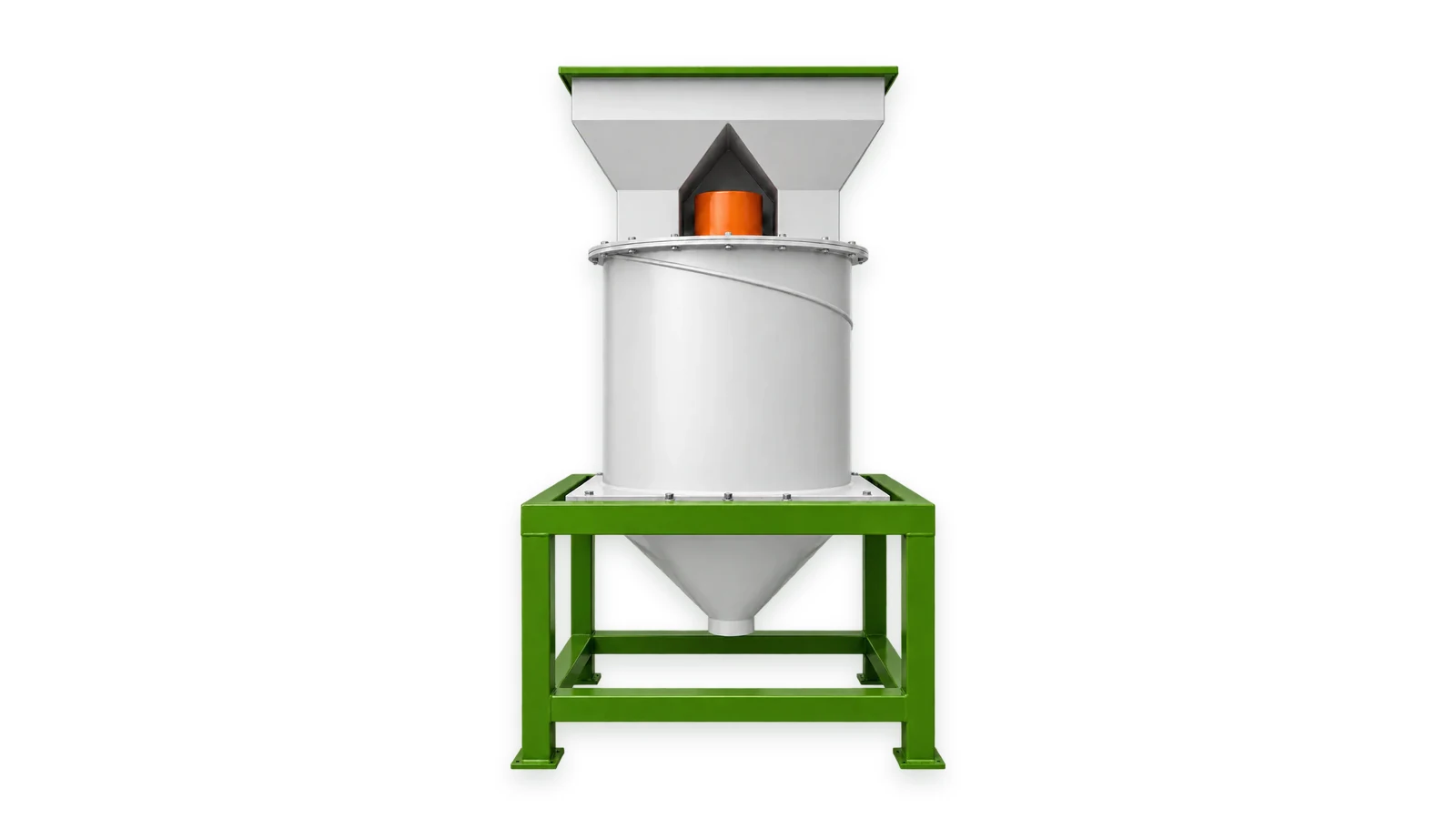
Vertical-shaft crusher for wet or dry lumps, with a discharge that resists bridging.
View details →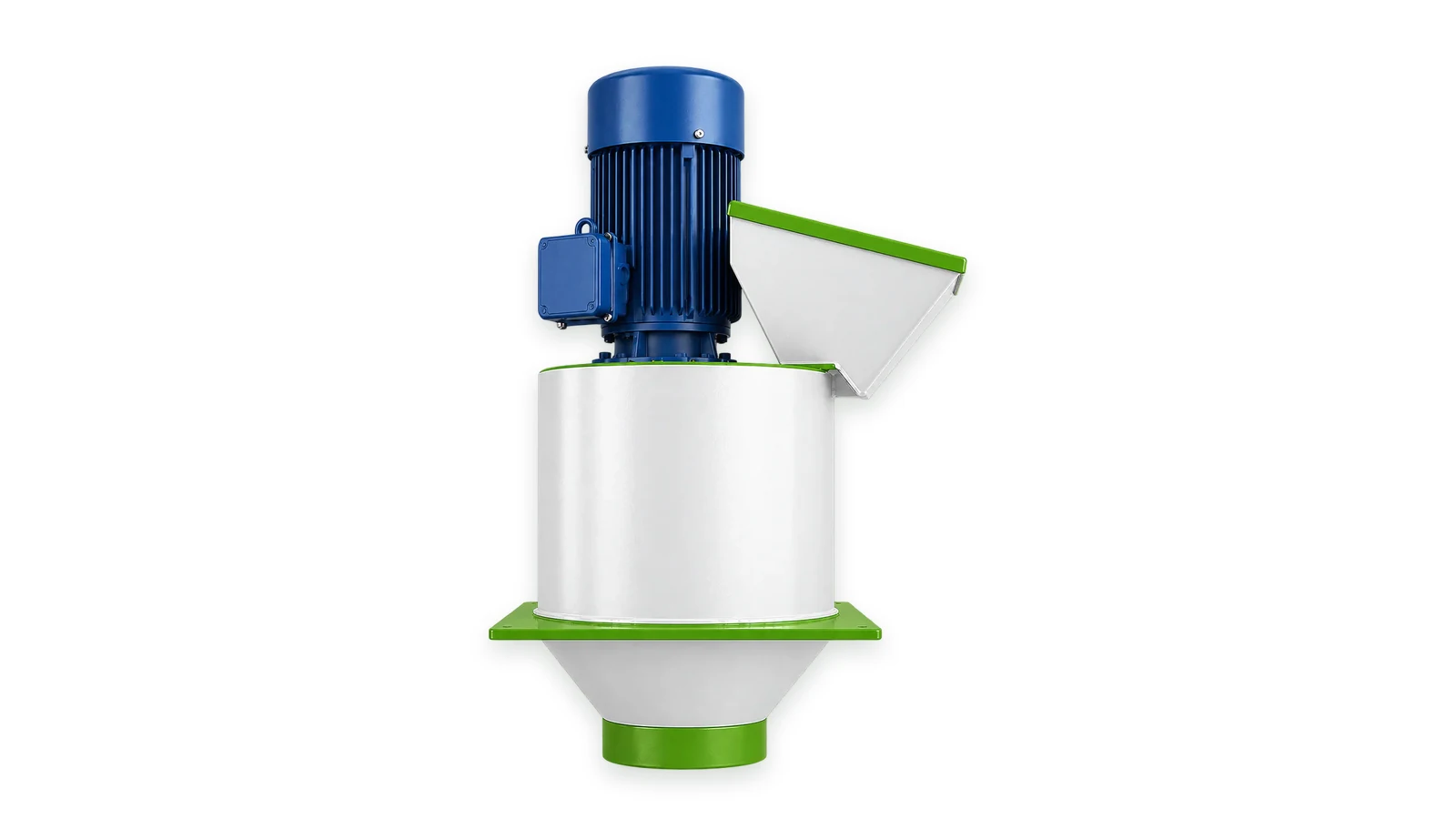
Single chain rotor that pulverises soft, caked fertilizer with a low fines fraction.
View details →
Two chain rotors working in series for a finer, more even output than a single stage.
View details →
Upper and lower hammer stages crush and re-crush in one pass, cutting the recirculation load.
View details →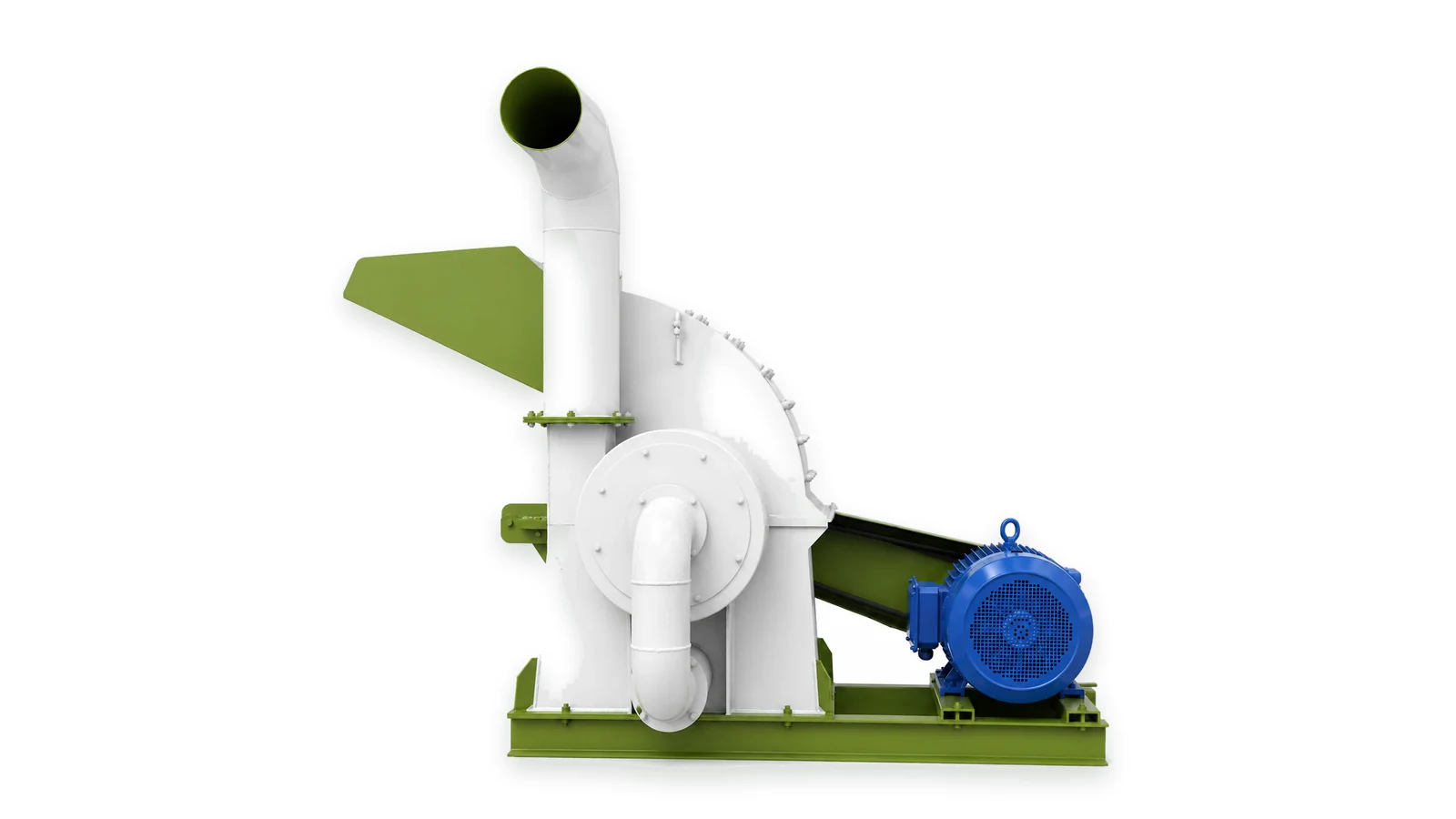
Low-speed shredder that reduces bagged or blocky material before it reaches the main crusher.
View details →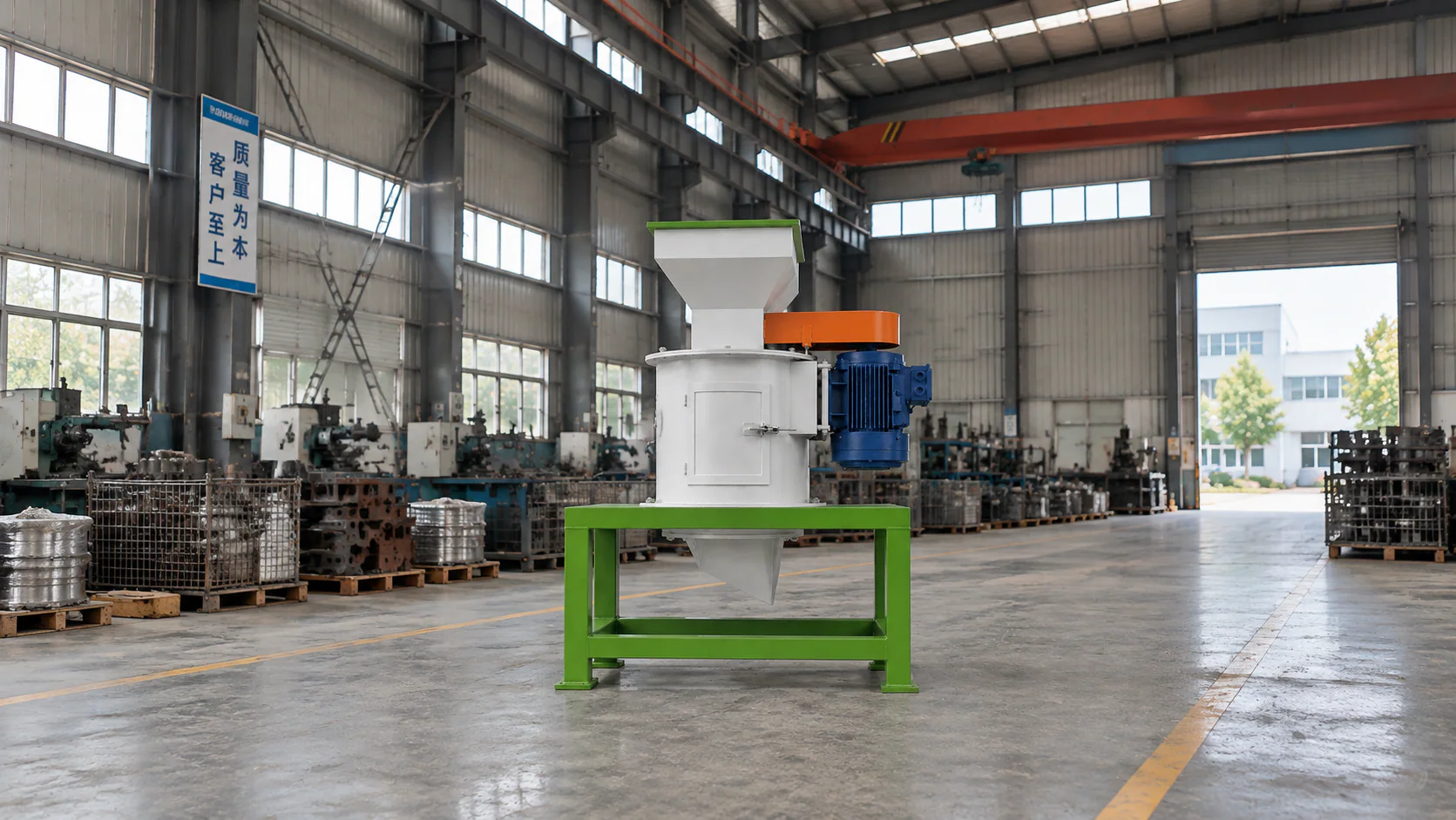
Grinder set up for prilled and granular urea, with a chamber that keeps heat build-up down.
View details →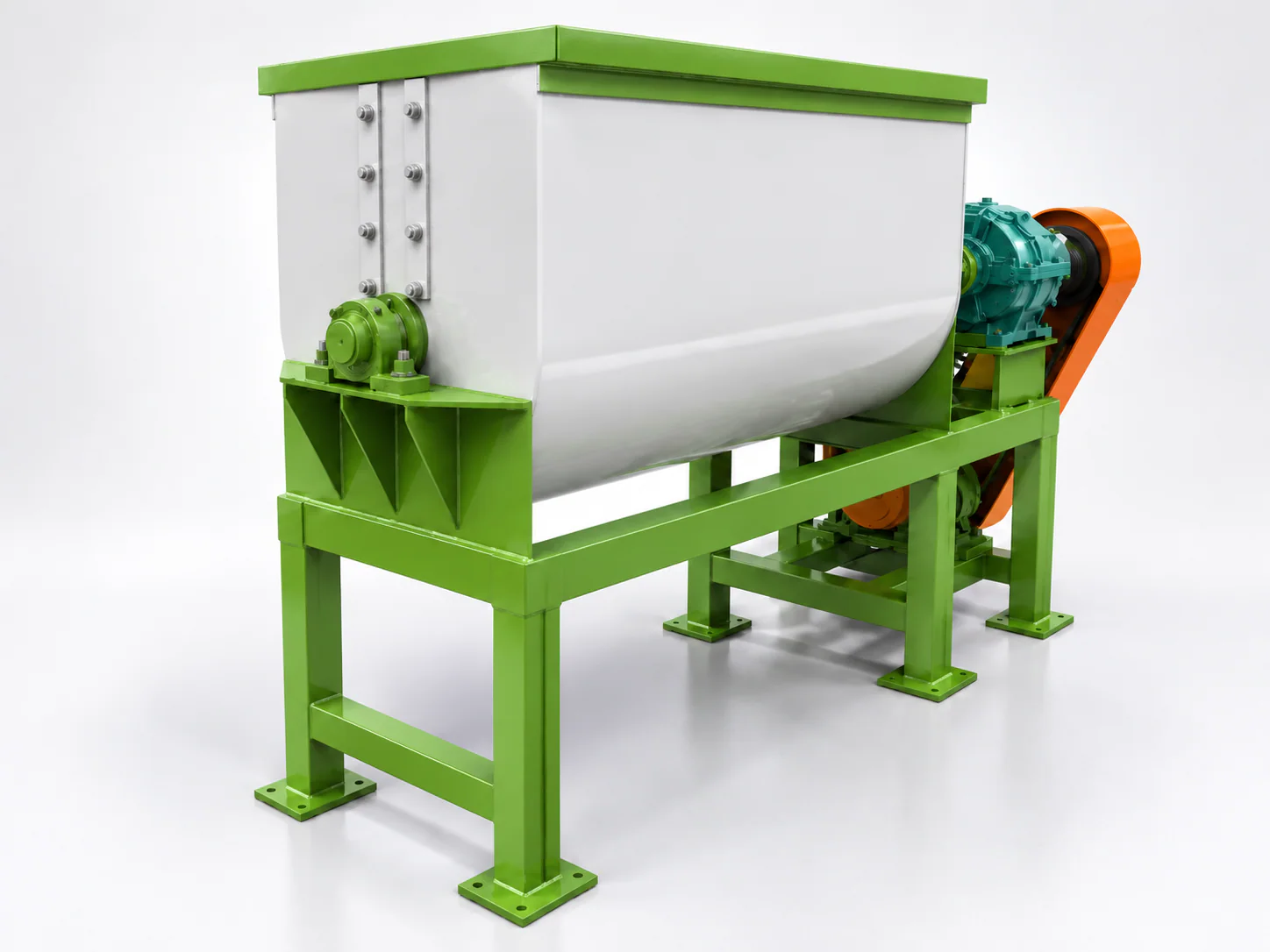
Pendulum roller mill with an air classifier, for dry grinding down to powder fineness.
View details →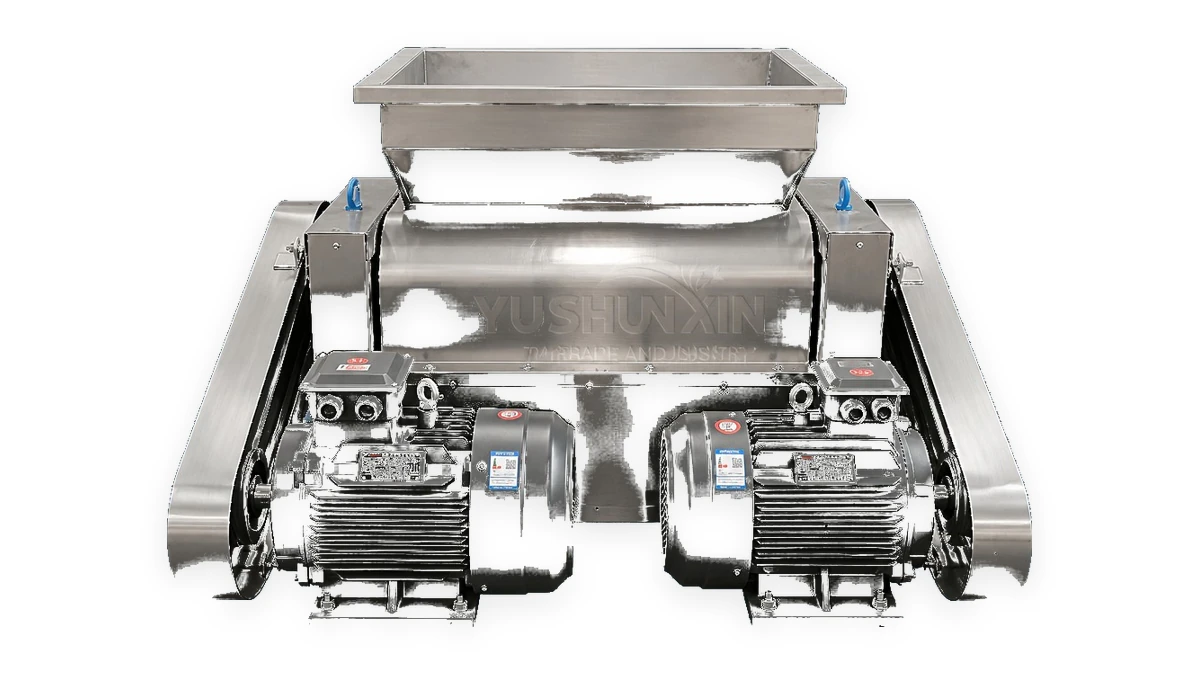
All-stainless roller crusher that breaks urea prills without caking, for lines that need a clean chamber.
View details →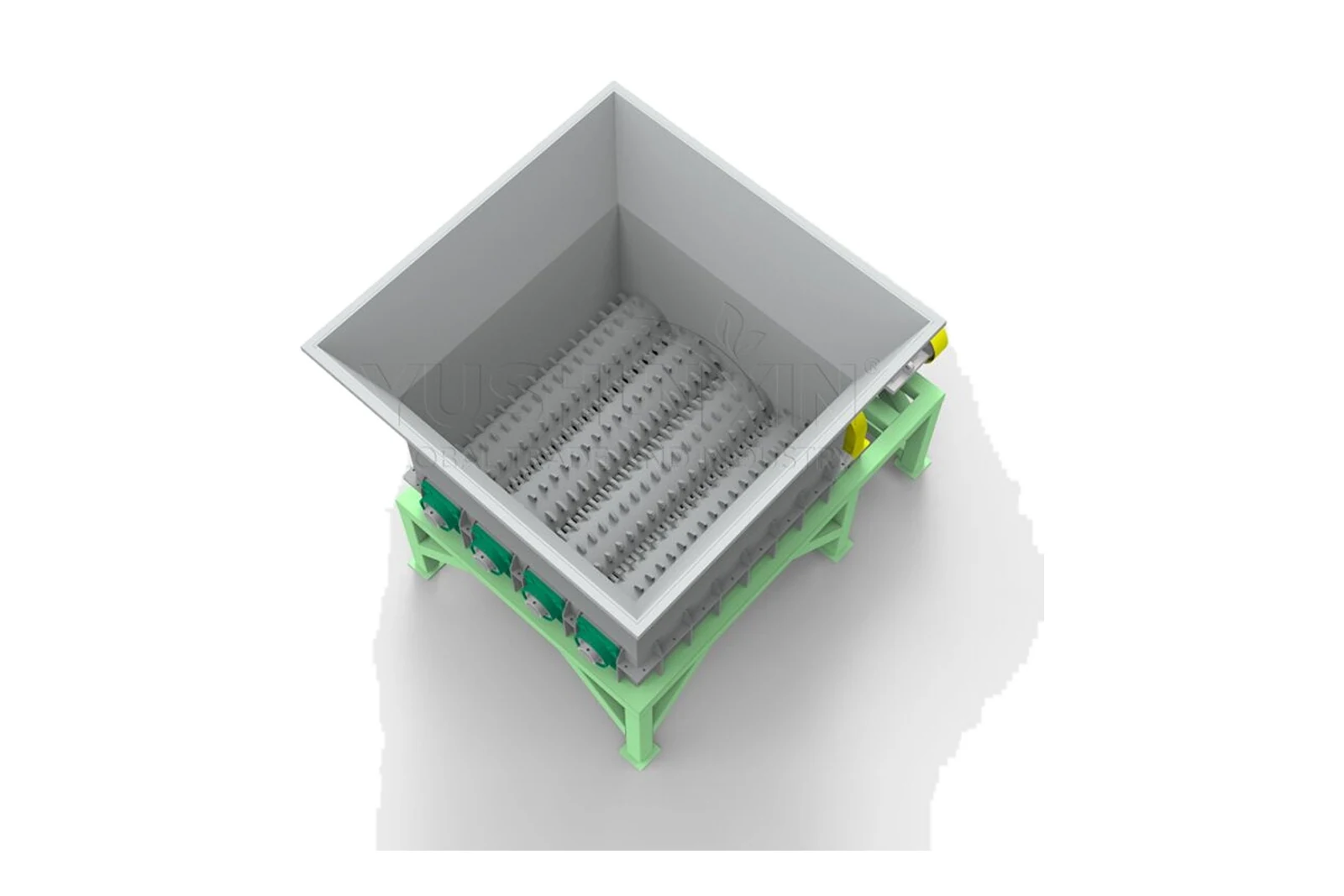
Breaks caked material straight out of a bulk bag before it reaches the process line.
View details →
Cage rotor that breaks soft to medium-hard fertilizer lumps at a high reduction ratio.
View details →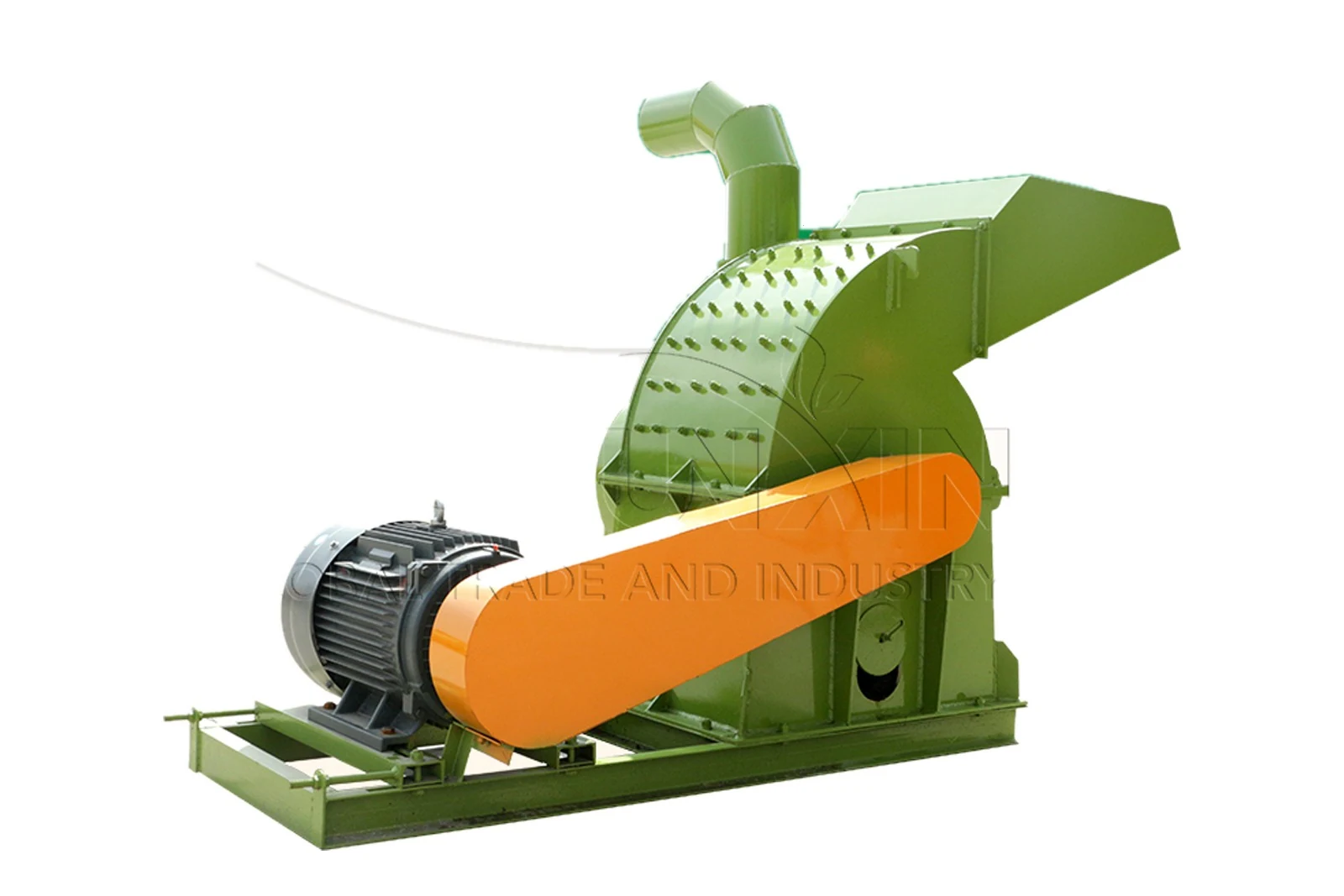
Hammer mill that shreds straw and stalks ahead of composting or granulation.
View details →
Skid-mounted unit combining feed hopper, crusher and discharge conveyor.
View details →Unsupported catalogue numbers are not invented. Open each page for its verified-data status.
Reject options outside moisture, size, contamination or flow limits.
Match the physical or biological transformation required.
Check buffers, recycle and the slowest connected stage.
Compare wear, cleaning, energy, labor and maintenance access.
Manure, compost, biomass and other validated organic feedstocks.
NPK, compound, BB or specialty formulas where the mechanism fits.
Verified mineral, carbon-based and soil-amendment applications.
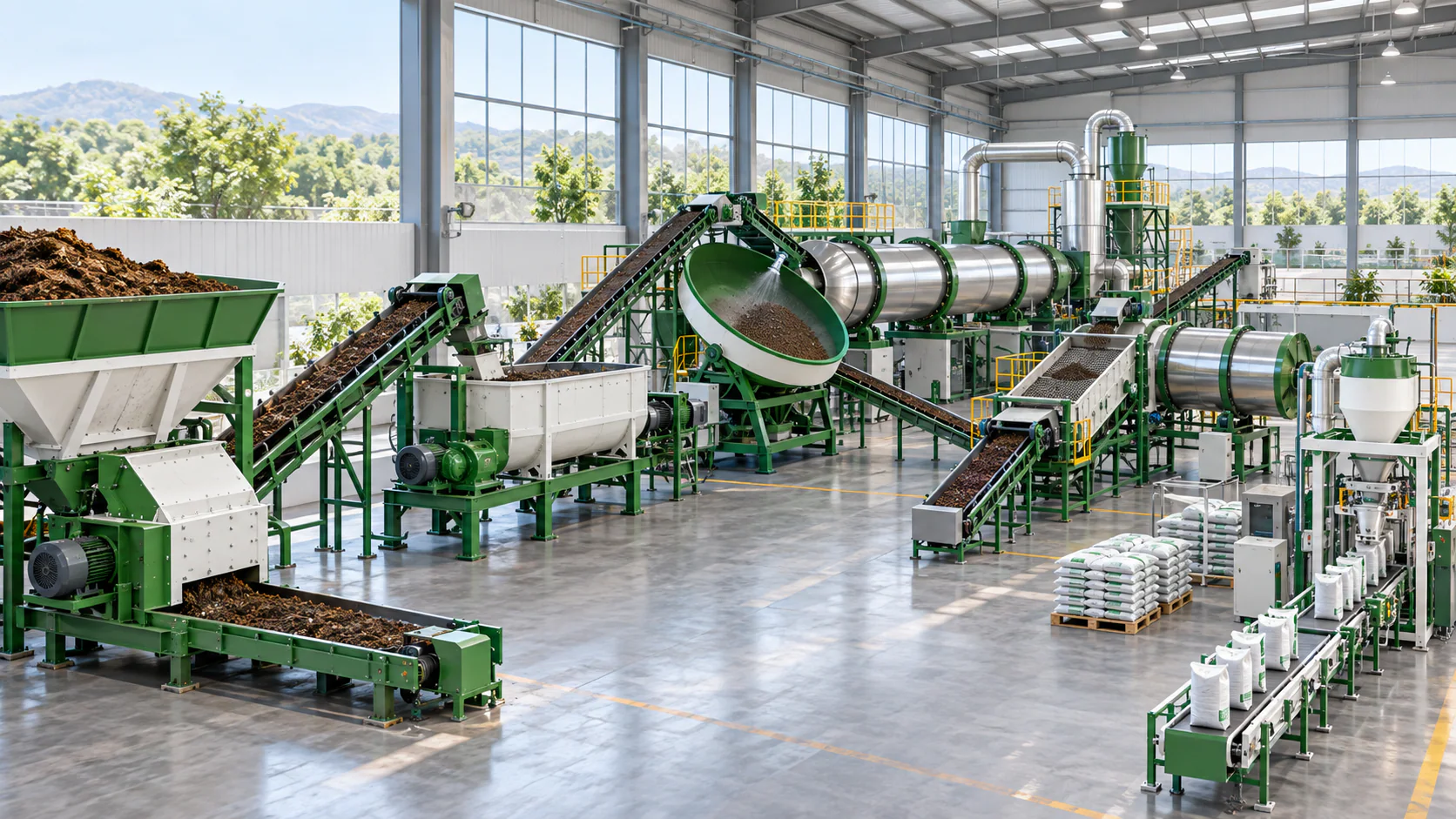
Builds a controlled powder-processing route from conditioning and size reduction to screening and packing.
View details →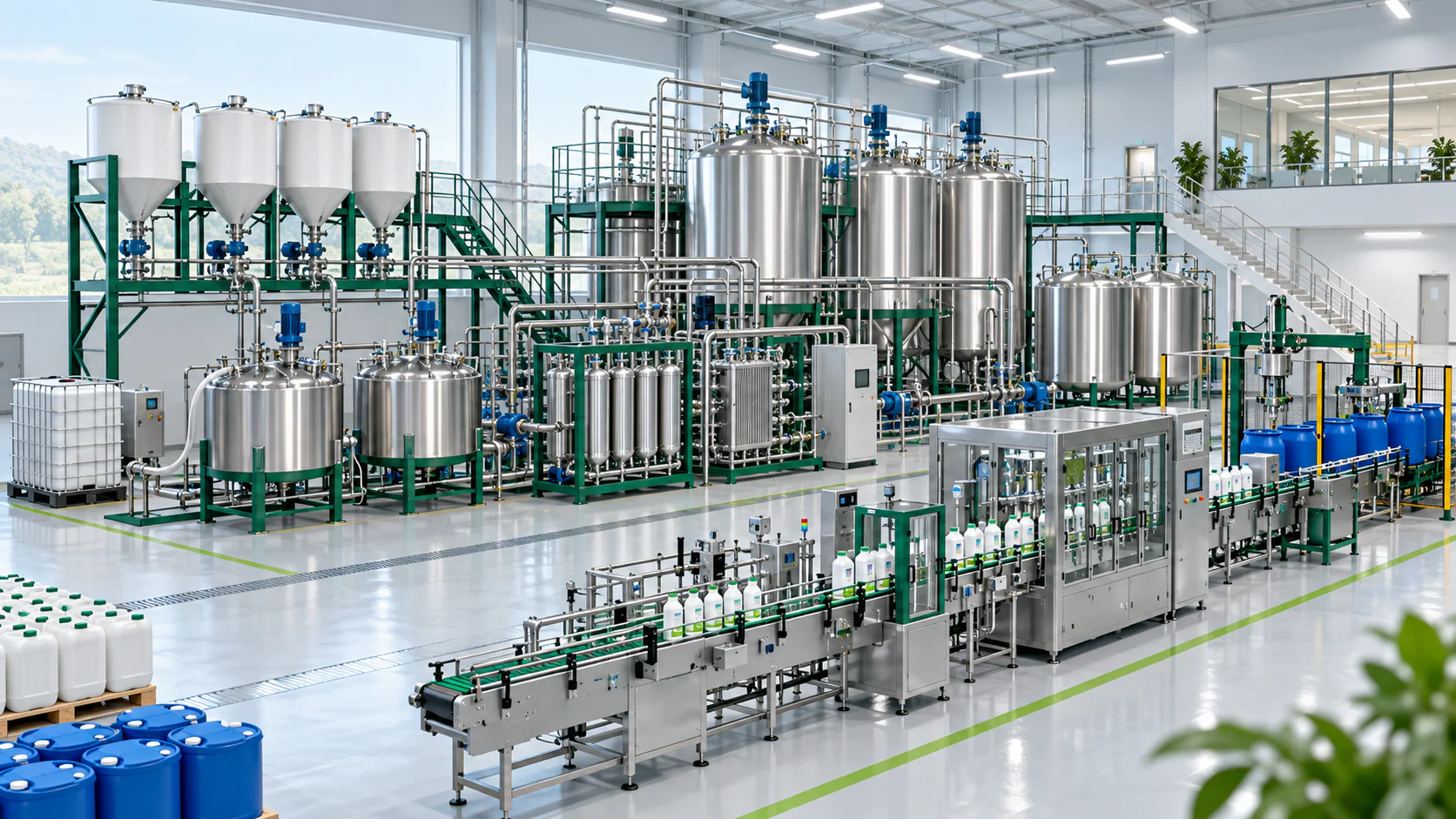
Organizes dosing, dissolution, filtration, storage and filling around the required liquid or soluble fertilizer formulation.
View details →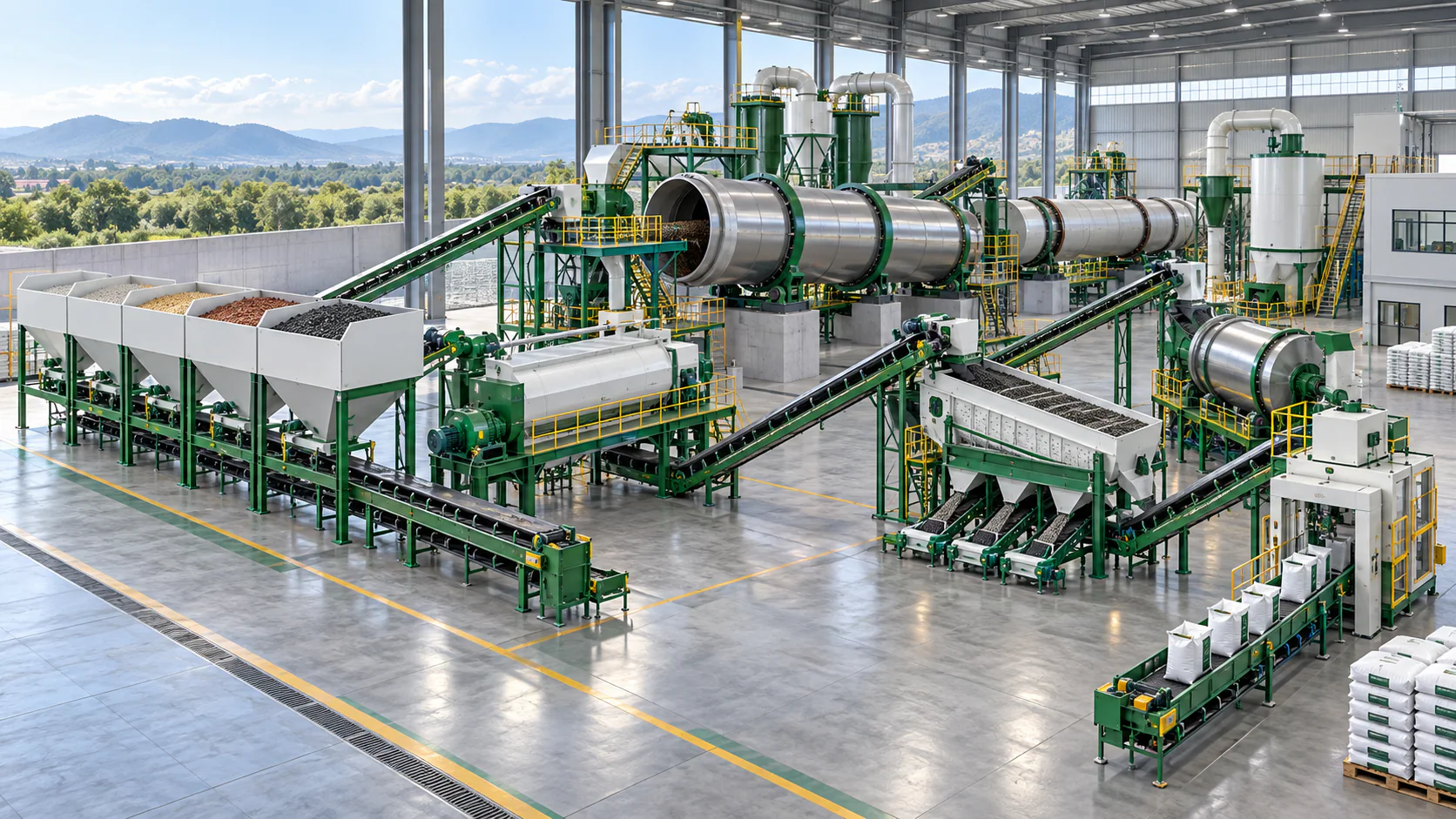
Combines preparation, proportioning, granulation and finishing stages into an engineered fertilizer production route.
View details →Use the case finder to match material, finished product, capacity, country or region and process technology. Illustrative visuals are labelled separately from project facts.
Filter project casesNo. Material data, duty, product target and connected stages are required.
They will be published only from approved manufacturer datasheets. Current pages identify missing specifications rather than inventing them.
Yes, after checking condition, duty, interfaces, elevation, controls and safety requirements.
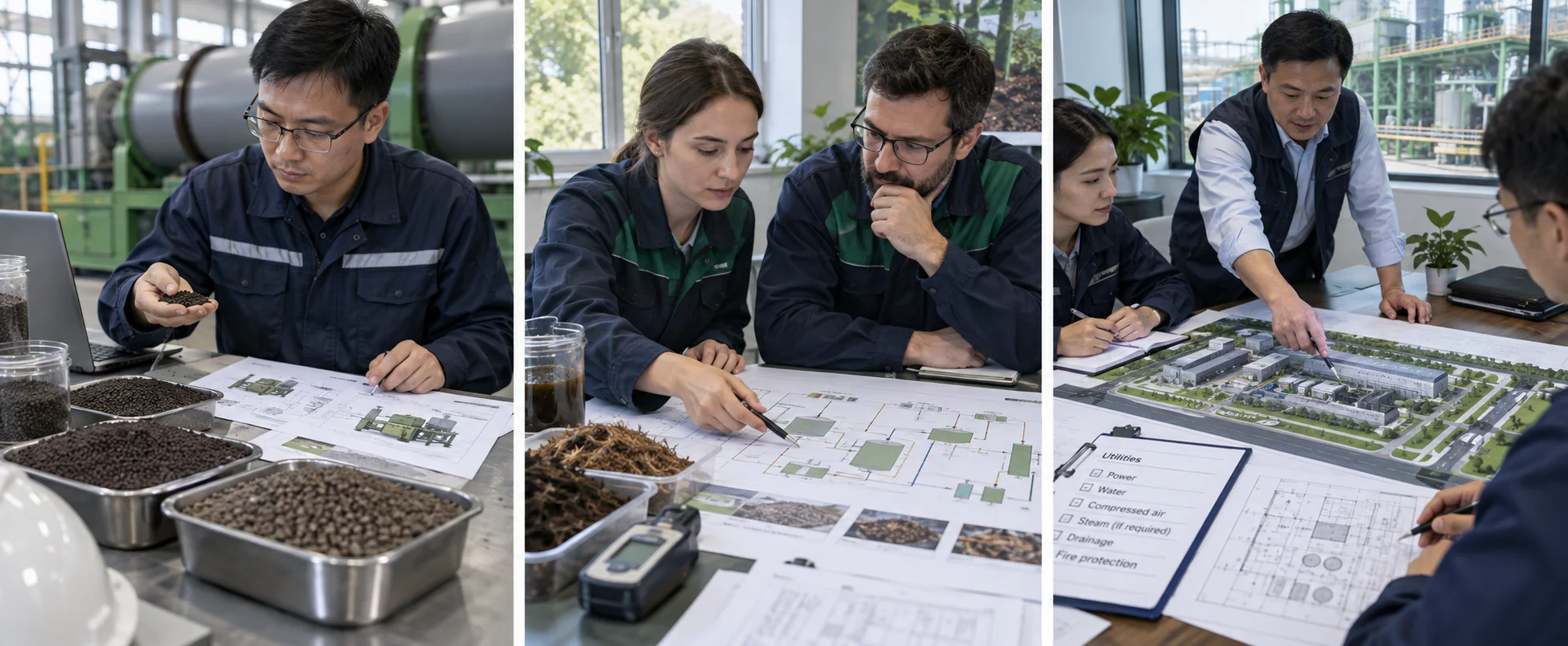
Compare the feed behavior, formulation, target granule and downstream finishing—not only nominal capacity.
View details →A practical guide to fermentation readiness, moisture control, crushing, granulation and finishing.
View details →The raw-material, product, site and utility information engineers need before configuration.
View details →A production endpoint is still required before this form can transmit.
 +8615981847286WhatsApp
 [email protected]Email
 Please enter the contentSearch
 Click to return to the topTOP