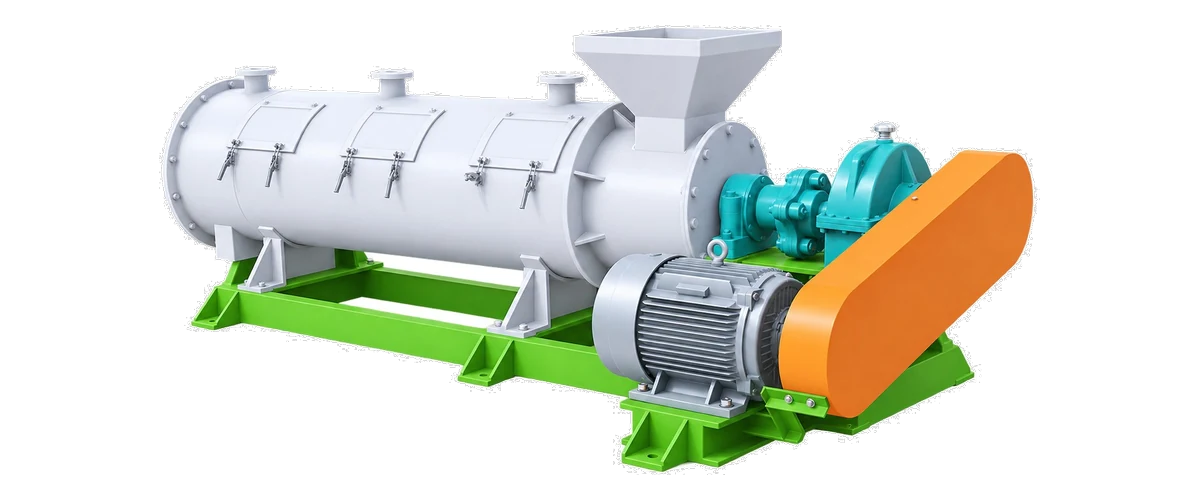
 01
01Composting · mixing · granulation
Organic fertilizer equipment
Turn composted organic materials into powder or finished granules.
Explore category Get a Proposal
Turn organic residues and fertilizer ingredients into valuable products. Plan the right process for your raw material, output target and site.
For fertilizer producers, farms and resource-recovery projects. Individual machines through complete-line planning.
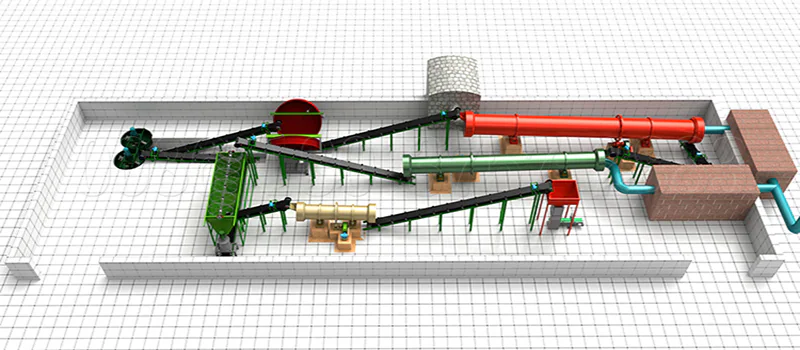
Explore the main equipment families and open the category that fits your process.
01Turn composted organic materials into powder or finished granules.
Explore category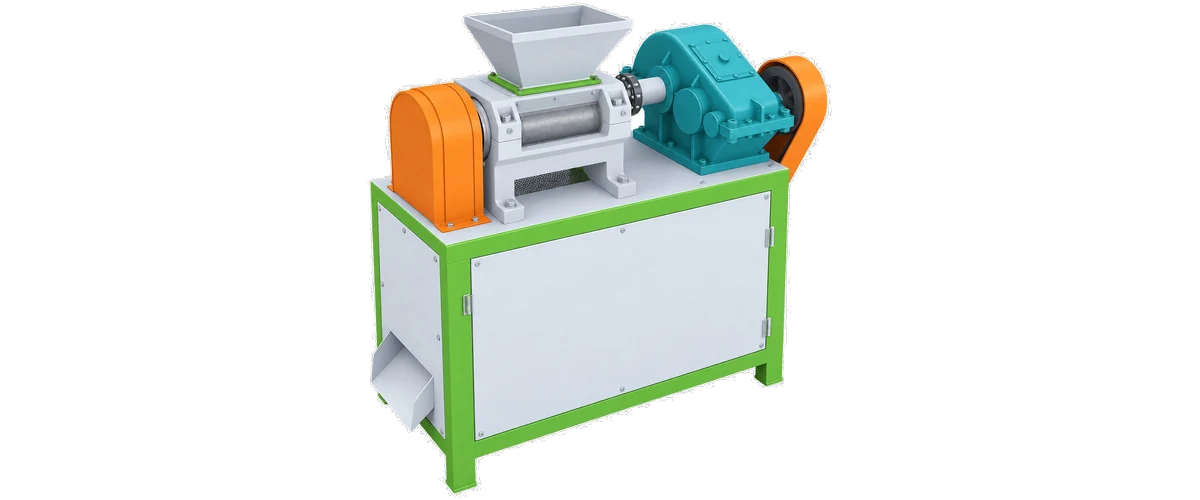 02
02Prepare, proportion and granulate multi-nutrient fertilizer recipes.
Explore category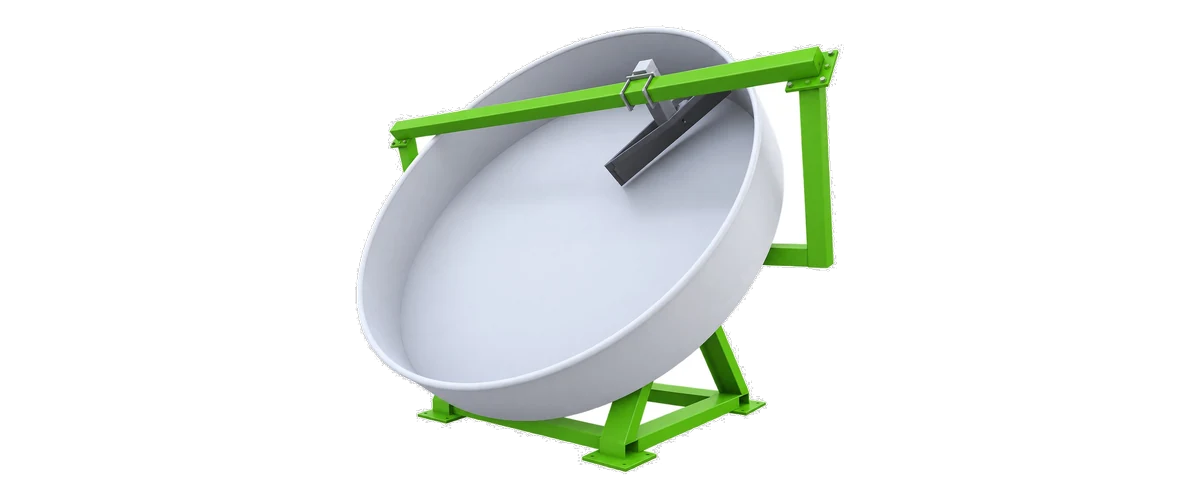 03
03Compare disc, drum and dry extrusion forming technologies.
Explore category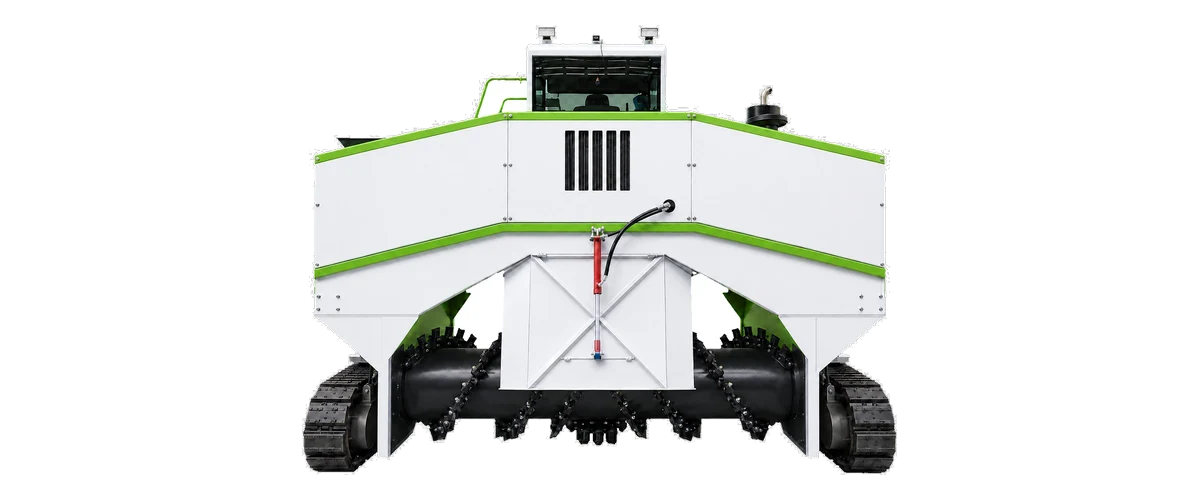 04
04Choose turning or enclosed fermentation around feed and site conditions.
Explore category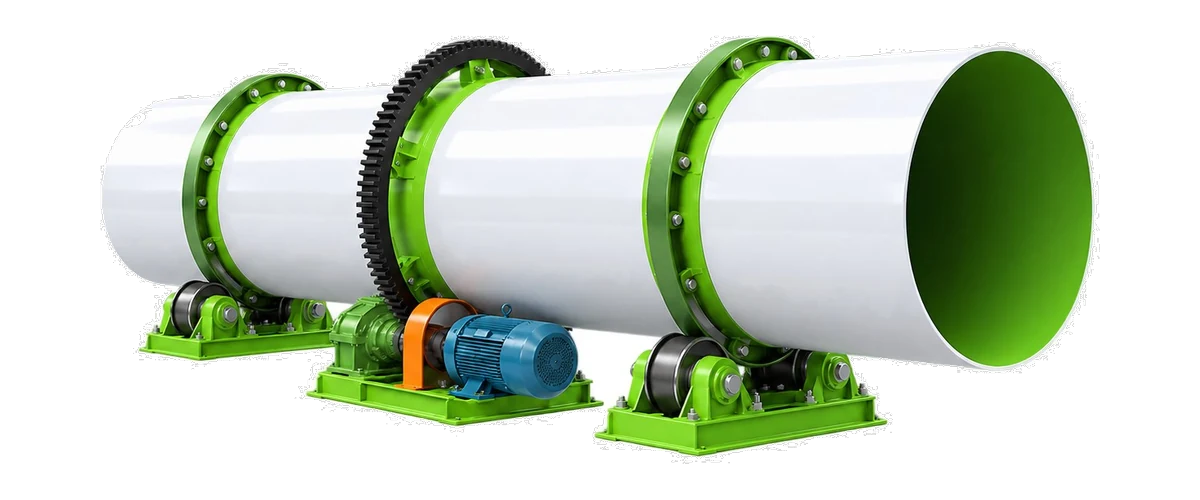 05
05Manage moisture, temperature and size before product storage.
Explore category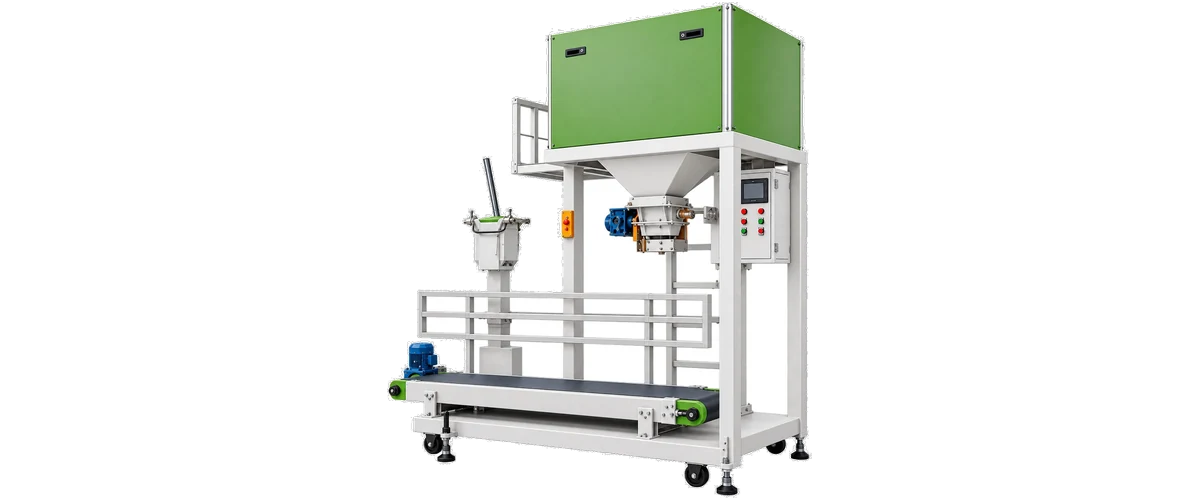 06
06Connect weighing, bagging and pallet handling to your dispatch plan.
Explore categoryChoose a starting point. Each route connects your project requirement to a detailed production solution.
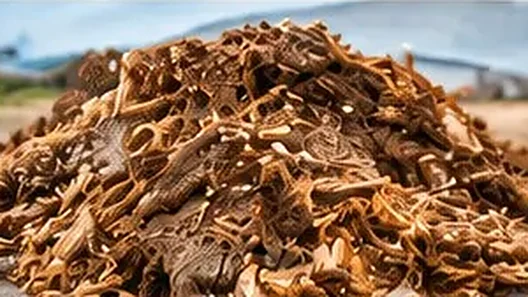
Chicken manure, cow dung and mixed farm residues.
View solution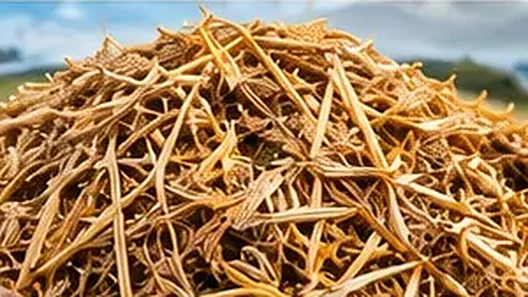
Crop straw, palm residues and other agricultural by-products.
View solution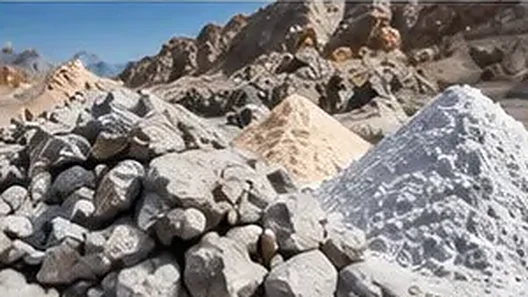
Prepared nutrient ingredients for compound and NPK products.
View solution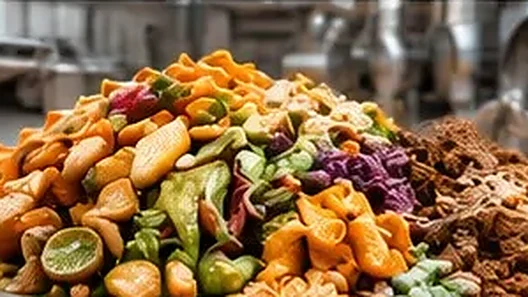
Segregated food and agro-industrial residues for material recovery.
View solution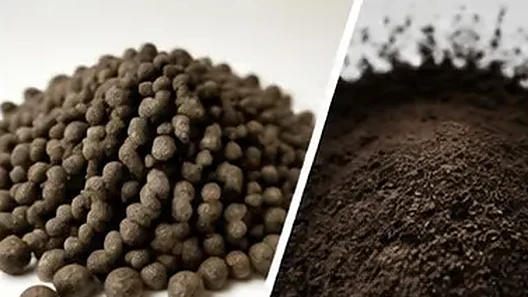
Powder and granular routes, with preparation matched to the feed.
View solution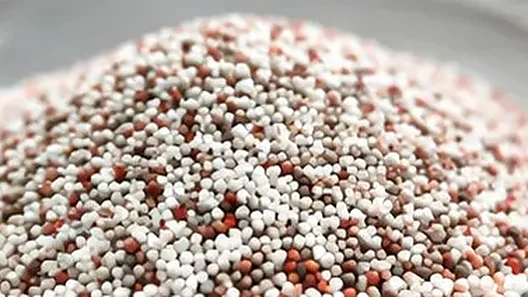
A formulated product with a selected granulation and finishing route.
View solution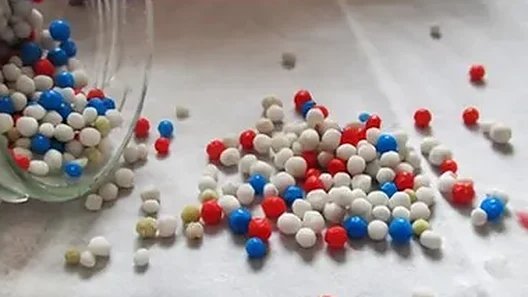
Blend already formed fertilizer granules into a required recipe.
View solution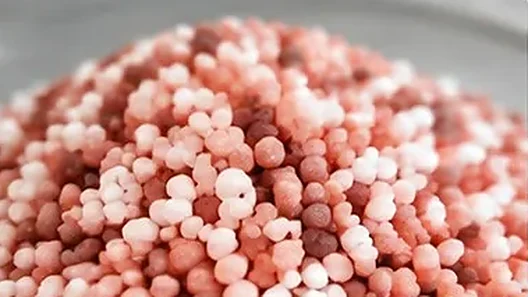
Mineral and organic amendments for defined soil-improvement products.
View solutionExplore a compact organic line and its space, labor and utility requirements.
Discuss this capacityCompare organic granulation configurations for a medium-output project.
Discuss this capacityReview a formulated fertilizer route with coordinated feeding and finishing.
Discuss this capacityShare your hourly target, operating schedule and expansion plan.
Discuss this capacityCapacity bands below guide the first discussion. Final throughput depends on material tests, moisture, operating hours and line balance.
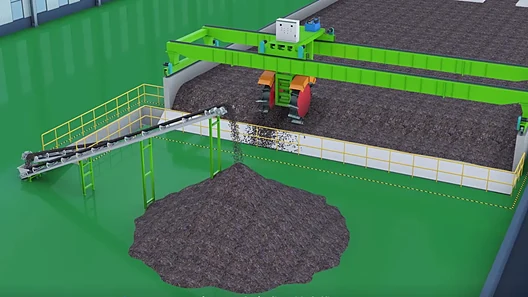
Stabilize organic feed before downstream fertilizer processing.
View solution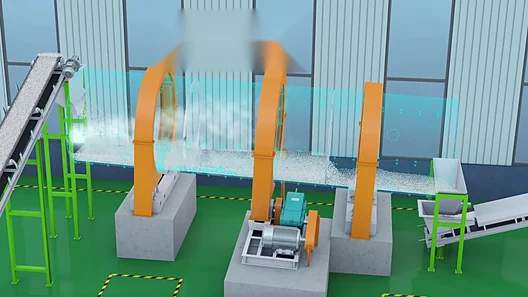
Compare disc or rotary drum granulation with the finishing circuit.
View solution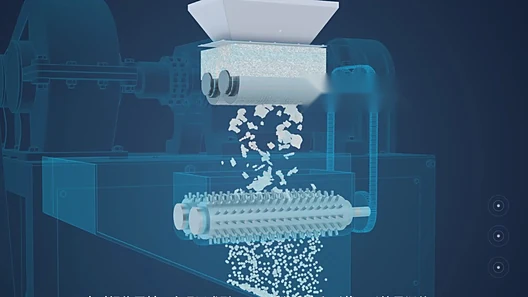
Review roller compaction, crushing, screening and product handling.
View solution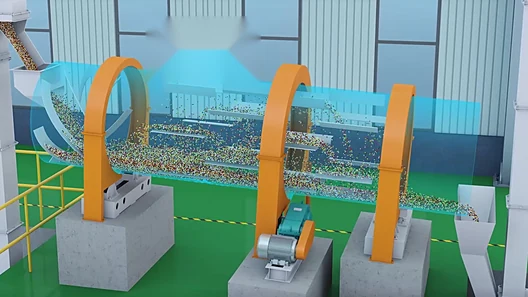
Combine accurate batching, gentle mixing and finished-product bagging.
View solutionA fertilizer project needs an aligned process, machine configuration and delivery scope. Explore the information behind each decision.
Composting, crushing, mixing, granulation, drying, screening and packing within one equipment directory.
Review the rangeReview layout, utility, automation and process requirements before fixing the configuration.
Explore engineeringCheck fabrication, assembly, test and shipping requirements against the proposed equipment scope.
View manufacturingCompare published organic-fertilizer project references by country, raw material and capacity.
Explore project recordsEach stage defines the inputs needed by the next: process, equipment, layout, utilities and site execution.
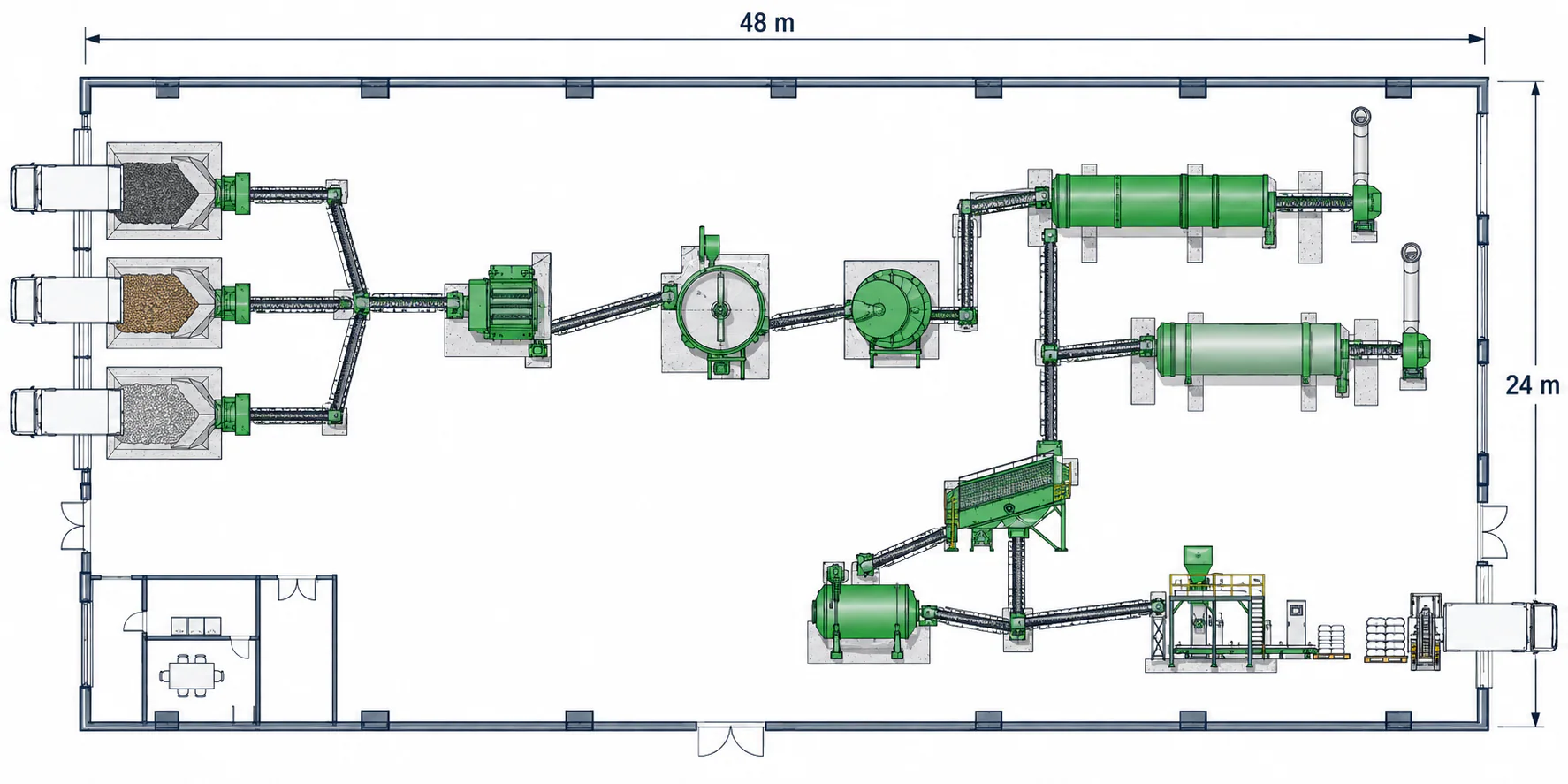
Feed properties, product targets and a balanced material flow.
Process flow & design basisStage duty, compatibility, wear and upstream/downstream interfaces.
Equipment configurationPosition machines, conveyors, service aisles and storage around the site.
Layout & interface drawingsDefine sequence control, instruments, interlocks and power requirements.
Controls & utility scheduleCoordinate foundations, access, delivery sequence and assembly interfaces.
Site preparation checklistReview dry runs, material trials, acceptance criteria and operator handover.
Commissioning & operating planSix starting points for fertilizer production and organic resource recovery.
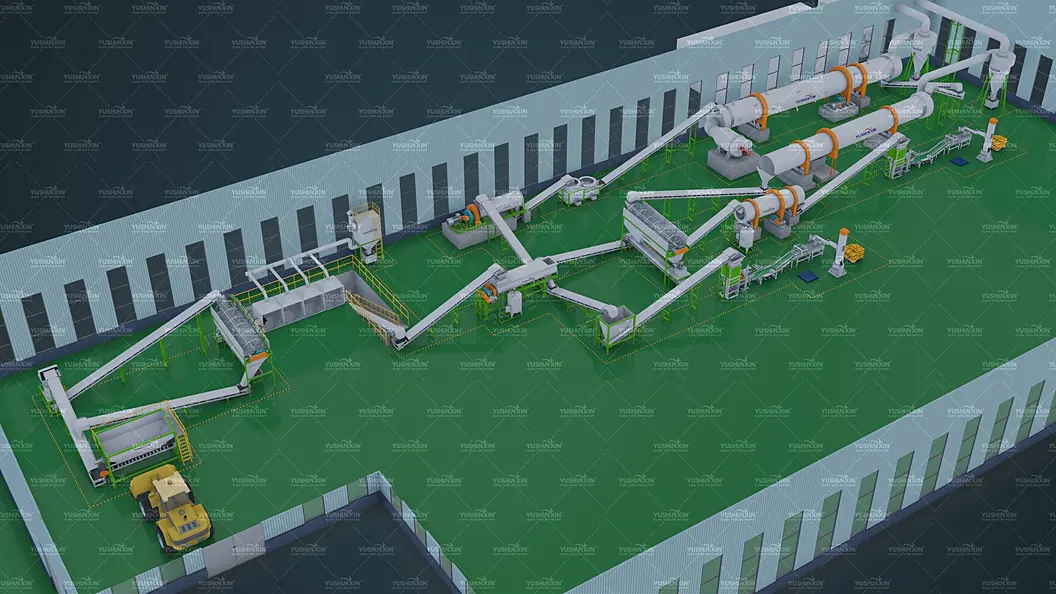 Production-line concept
From composted feedstock to powder or granules, with preparation, forming and finishing.
Explore solution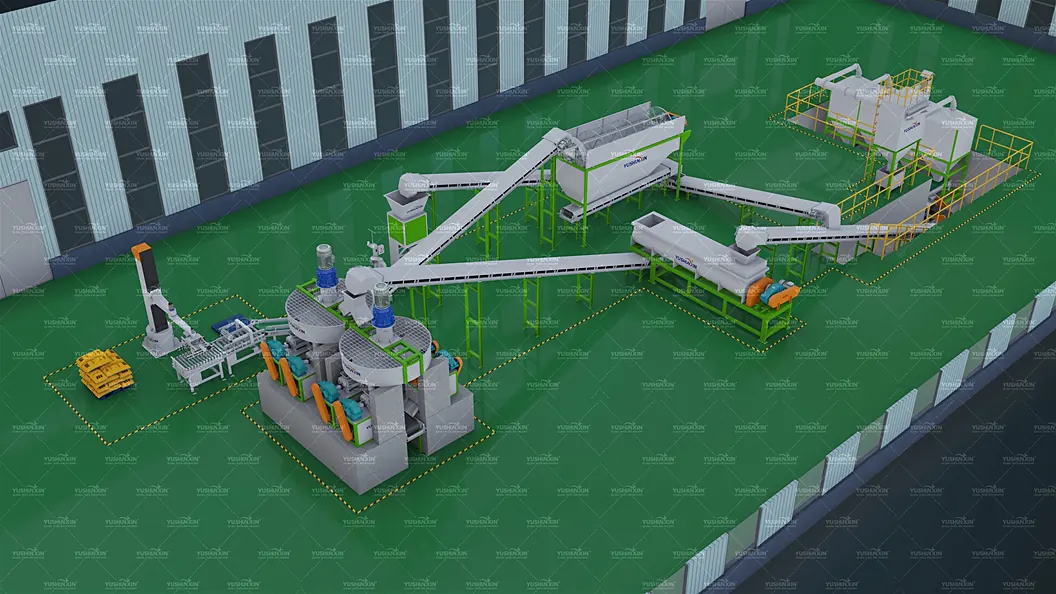 Production-line concept
Coordinate nutrient dosing, mixing, granulation, classification and packaging.
Explore solution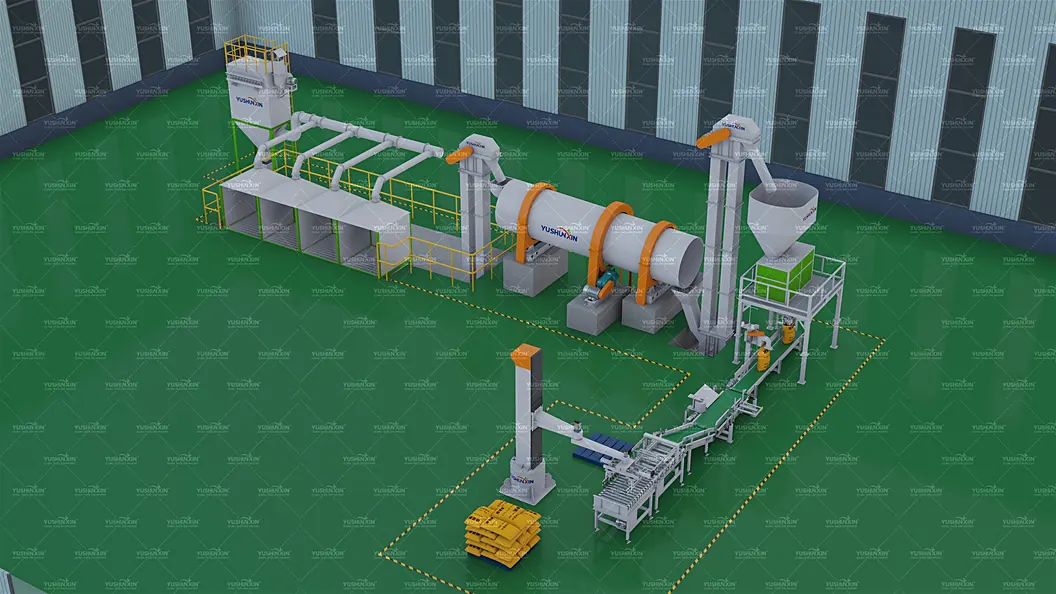 Production-line concept
Use preformed nutrient granules with recipe-based weighing and gentle blending.
Explore solution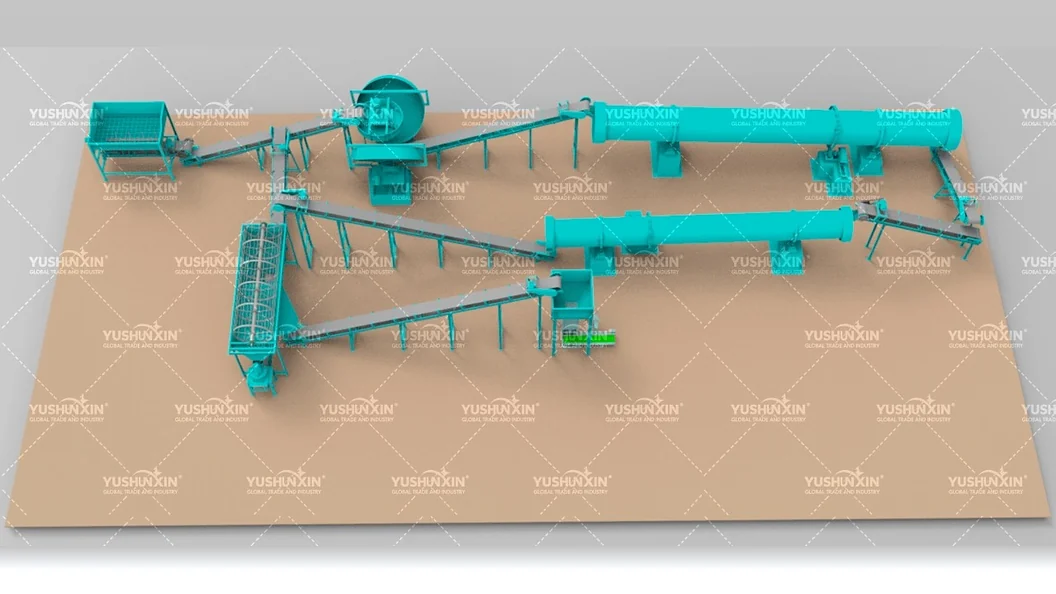 Production-line concept
Review moisture adjustment, fermentation and granulation for poultry-manure feedstock.
Explore solution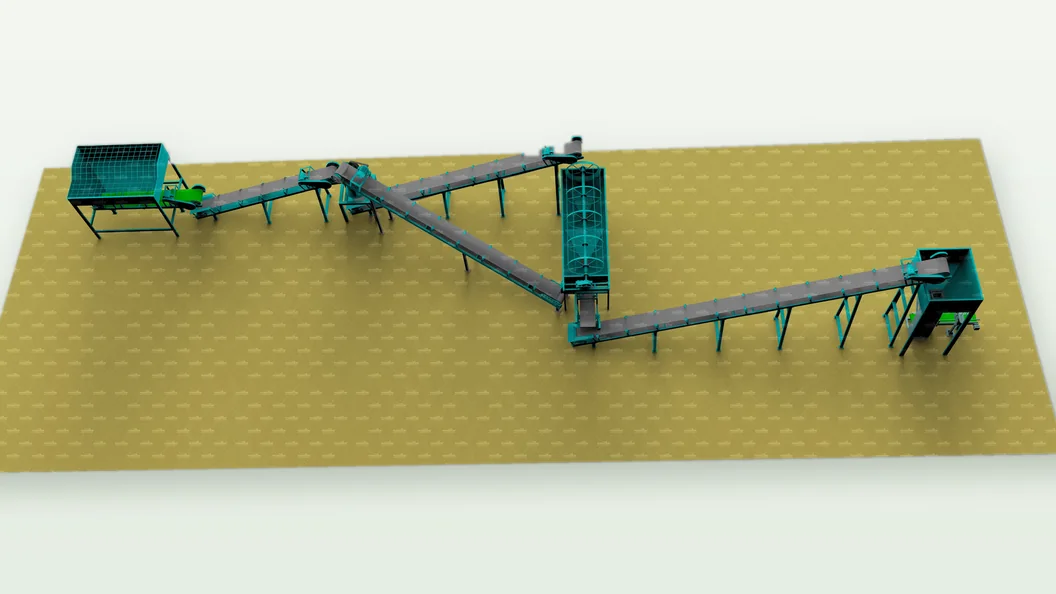 Production-line concept
Prepare and screen mature organic material for blending and bagging.
Explore solution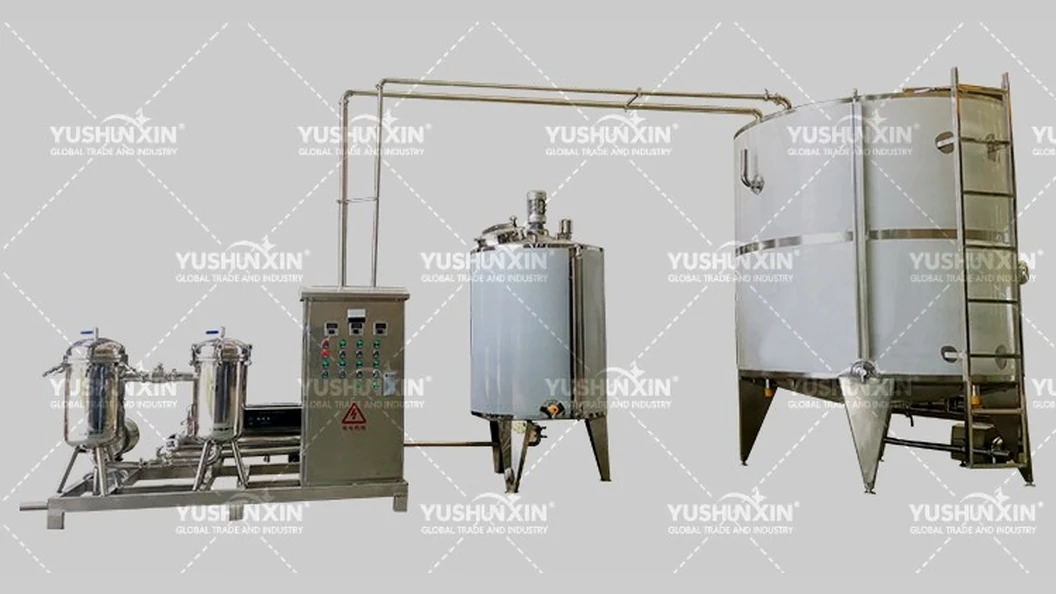 Production-line concept
Plan raw-material dosing, dissolution, filtration and filling around the required recipe.
Explore solutionCompare the country, feedstock, capacity and production route before planning a similar line.
Practical guidance on material behavior, process selection and complete-line planning.
Compare the feed behavior, formulation, target granule and downstream finishing—not only nominal capacity.
Read the guideA practical guide to fermentation readiness, moisture control, crushing, granulation and finishing.
Read the guideThe raw-material, product, site and utility information engineers need before configuration.
Read the guideStart with raw-material type, moisture, available quantity, target product and hourly capacity. Add site dimensions, operating hours, local utilities and packaging requirements.
Yes. Start from the machine directory and identify the required duty. Confirm capacity, inlet/outlet height, power supply and interfaces with the connected equipment before choosing a model.
The main factors are process route, throughput, automation, drying duty, environmental controls, site work and packaging. A useful comparison uses the same supply boundary and material assumptions.
Use a defined manufacturing scope to review what will be produced, inspected, tested and delivered.
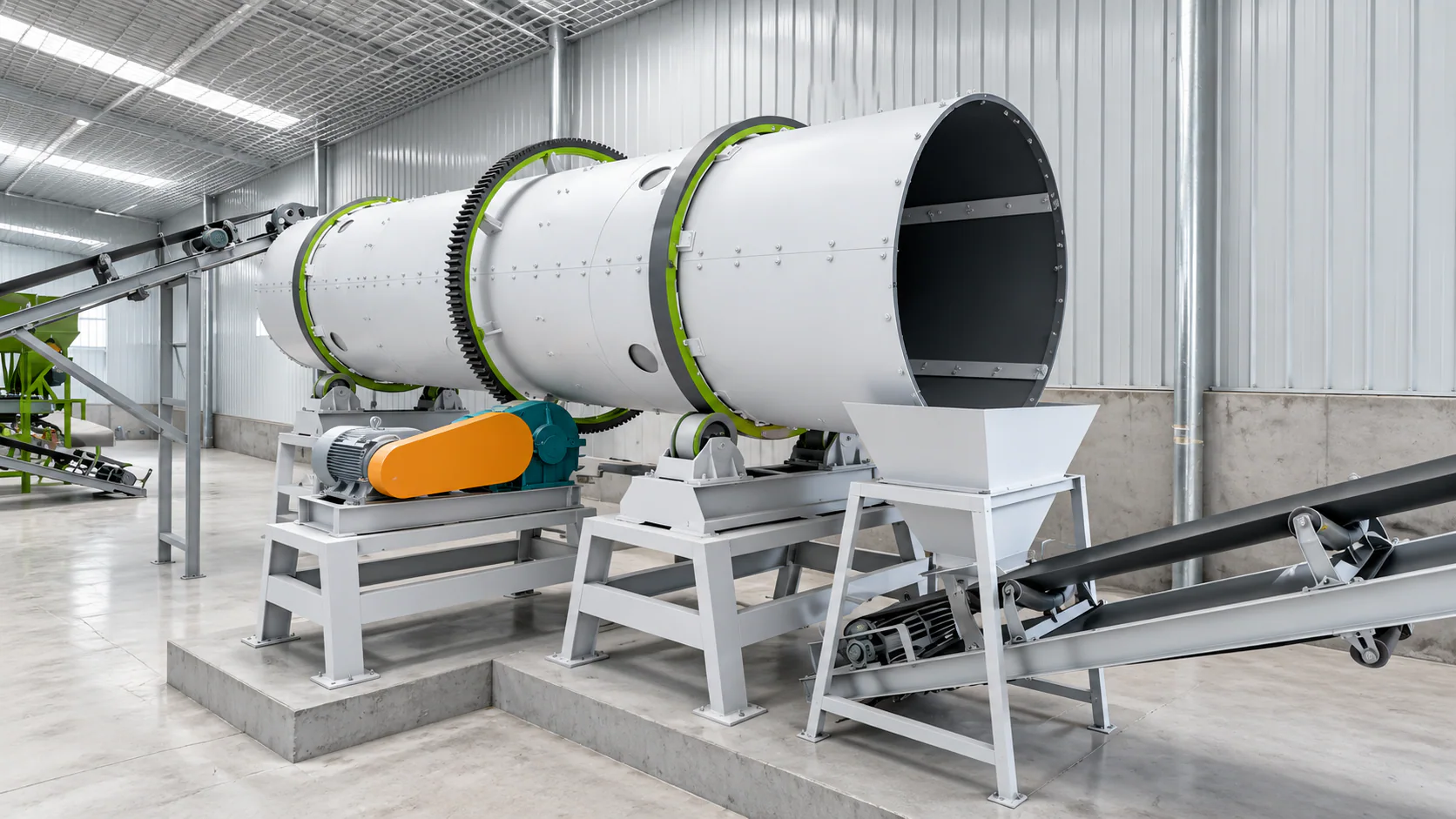
Machine configuration, inspection points and delivery documents are agreed during the technical review.
Confirm the steel or contact-material specification, cut list and component dimensions.
Review shafts, rollers, bearing fits and other working interfaces against the selected machine.
Check fabricated bodies, frames, joints and dimensional alignment.
Coordinate drives, bearings, guards and inlet/outlet connections.
Define mechanical, electrical and trial-running checks in the project inspection plan.
Confirm preservation, packing lists, shipping marks and installation documents.
Confirm the inspection scope, acceptance criteria and applicable documents with the selected equipment.
Material identification and specified grades.
Dimensions, alignment and critical interfaces.
Drive, electrical and running checks within the agreed scope.
Inspection records, packing and operating documents.
Request the certificates, inspection records and test documents applicable to your equipment and destination market.
Discuss document requirementsMove from initial buying questions to process selection, cost planning and operating considerations.
Define material, product and capacity before selecting equipment.
02Understand fermentation, granulation and the finishing circuit.
03Compare mechanisms and match them to your feedstock.
04Review equipment scope, utilities, site work and automation choices.
05Start with feed readiness, moisture control and process stability.
Tell us about the feedstock, capacity and final product. These details are the starting point for equipment selection and a customized production-line proposal.
 +8615981847286WhatsApp
 [email protected]Email
 Please enter the contentSearch
 Click to return to the topTOP