Home / Solutions / Organic Fertilizer Solutions / Organic Fertilizer Production Line
01 · Complete organic fertilizer solution

Organic Fertilizer Production Line

Convert livestock manure, crop residues and other suitable organic feedstocks into stable powder or granular fertilizer through a coordinated process from fermentation to packing.

Powder & granular routesCapacity engineered to feedstockTurnkey support availableGlobal project service
02
Project quick answer

Define the production basis before selecting equipment

Published ranges support planning. Final figures are issued after material, mass-balance and site review.
Suitable feedstockLivestock manure, agricultural residues and compatible organic solids
Published capacity1–20 t/h
ConstructionCarbon steel Q235 / alloy
Voltage / frequency220 / 380 / 415 / 440 / 480 V · 50 / 60 Hz
Finished productPowder or granules (sphere, cylinder and other configured forms)
Granule targetConfirmed by market requirement and formulation
AutomationManual-assisted, semi-automatic or PLC-integrated
Plant footprintConfirmed by process route, storage and local site
Labor planDefined from automation, shifts and material handling
Delivery scopeEquipment supply or turnkey engineering support
Organic fertilizer granulation equipmentFrom stabilized organic material to market-ready fertilizer
03
Feedstock assessment

Suitable raw materials

The same equipment list cannot be copied across materials; moisture, structure and contaminants change the route.

01

Chicken manure

High moisture; bedding and odor control may be required.

02

Cow dung

Often benefits from bulking agents and moisture adjustment.

03

Pig manure

Pretreatment and odor management depend on collection method.

04

Sheep & goat manure

Usually fibrous; crushing duty follows fermentation condition.

05

Agricultural waste

Straw or biomass may supply structure and carbon balance.

06

Food / organic residues

Impurity removal and recipe control require project review.

Feedstock characteristics to confirm

✓
Initial moisture

Measured range and seasonal variation

✓
Organic content

Carbon-to-nitrogen balance and degradability

✓
Impurities

Plastic, stone, metal, sand or bedding

✓
Storage behavior

Odor, leachate, bridging and secondary pollution

✓
Pretreatment

Dewatering, crushing, blending or inoculation

04
Product specification

Target finished product

Choose the sales form first; product targets determine granulation and finishing duty.
Granular organic fertilizer production
Final product

Powder or Granular Organic Fertilizer

Granule size, final moisture, strength, appearance and packaging are defined with the buyer’s market specification.

Product formPowder or granules
Granule sizeCustomized to market requirement
Final moistureConfirmed against storage and packing needs
Organic matterDepends on raw material and formula
AppearanceUniform brown or dark-brown product
PackagingSmall bags, big bags or bulk

Typical applications

  • Field and cash-crop fertilization
  • Vegetable and horticultural production
  • Orchards, landscaping and gardening
  • Soil organic-matter improvement
  • Commercial organic fertilizer sales
05
Material transformation

Complete process flow

Each stage protects the next one. The final route may remove or add stages after engineering review.
01Material reception

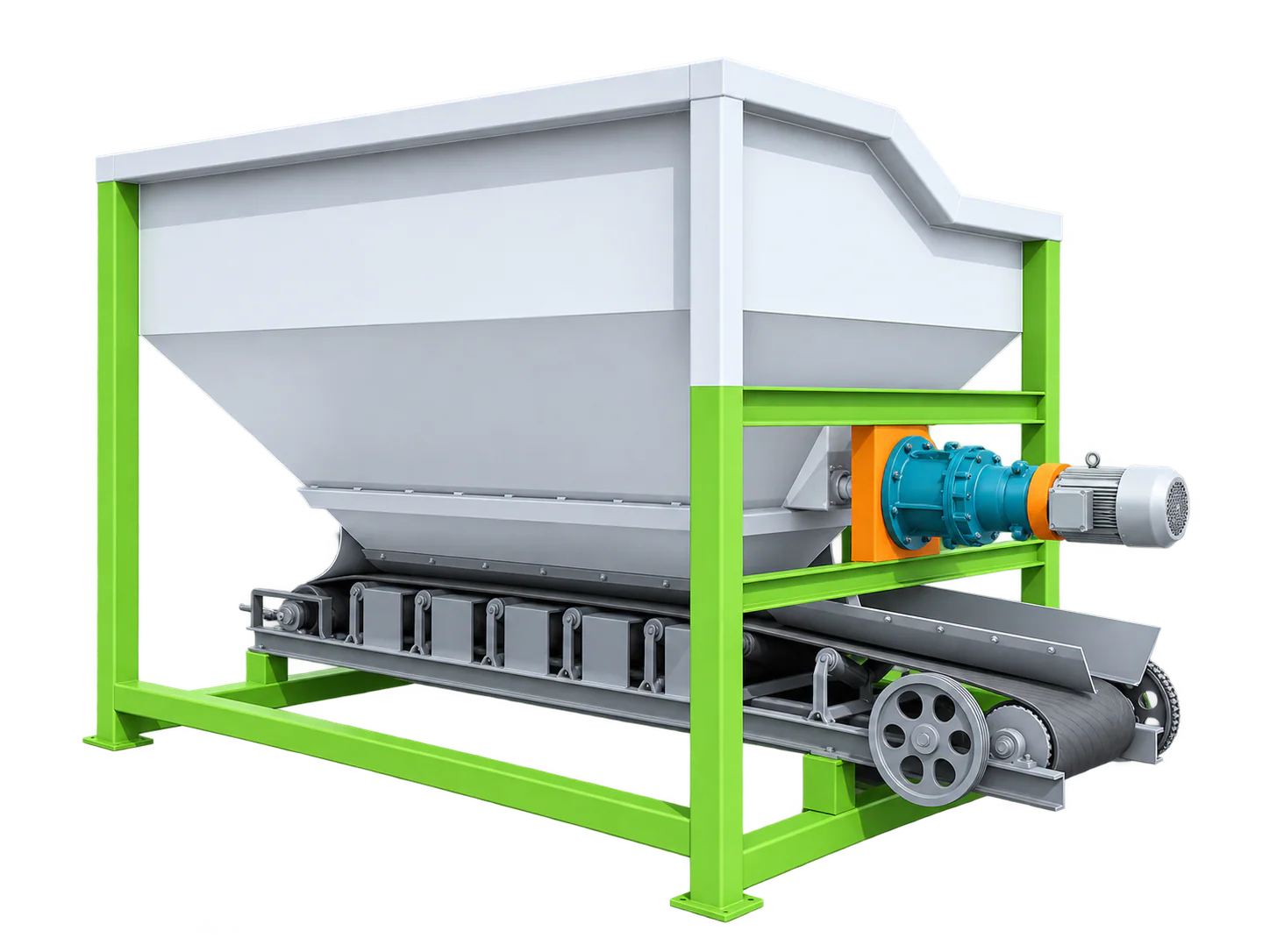
Material reception

Balance moisture, remove visible contaminants and stabilize the feed.
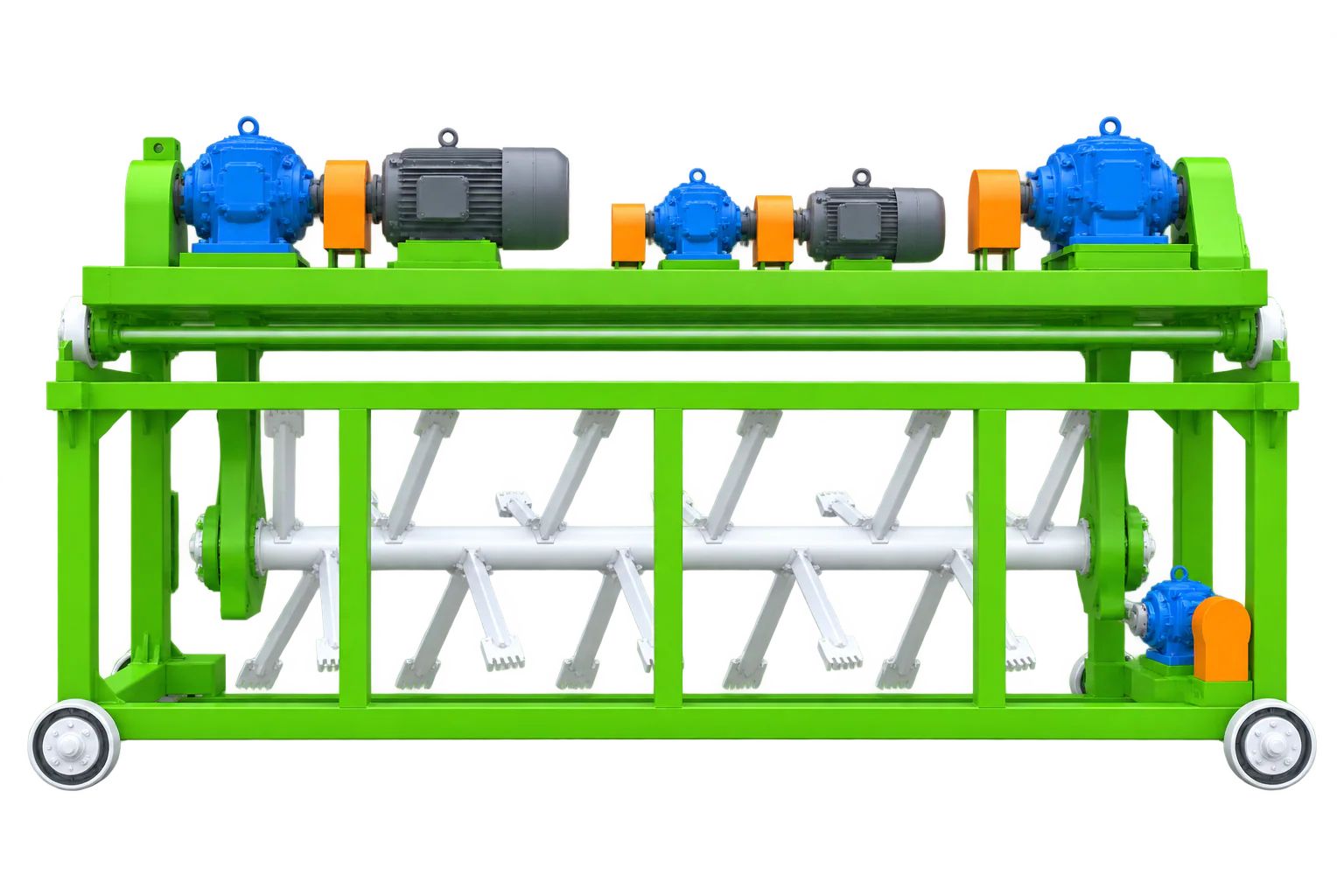
02Aerobic fermentation

Aerobic fermentation

Control oxygen, temperature and moisture until the material is biologically stable.

03Crushing

Crushing

Break agglomerates and prepare a consistent particle-size distribution.

04Formula mixing

Formula mixing

Add return material or nutrients and homogenize the production recipe.

05Granulation

Granulation

Form the prepared powder into the required organic fertilizer granules.
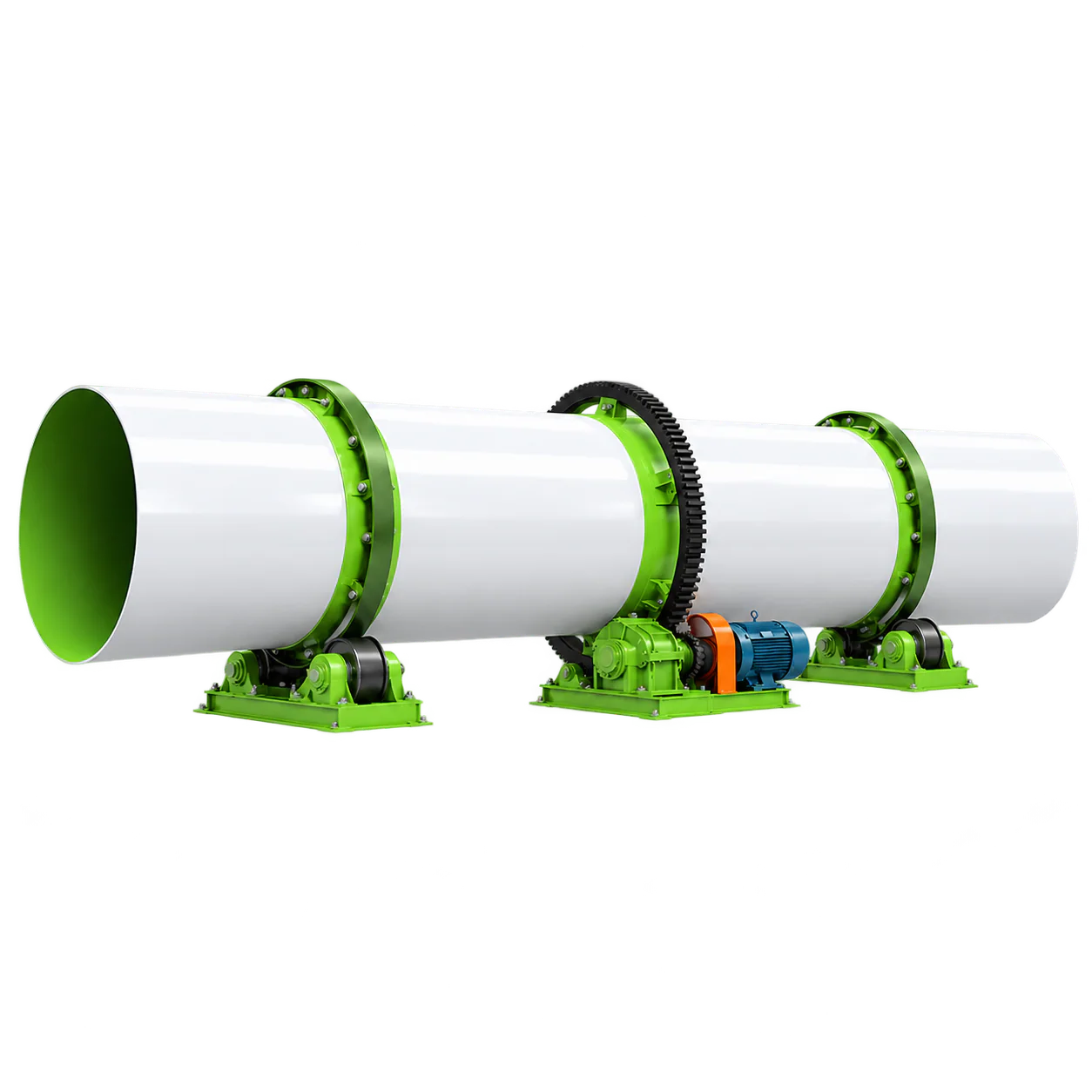
06Drying

Drying

Remove excess moisture while protecting granule quality.

07Cooling

Cooling

Reduce product temperature before classification and storage.

08Screening

Screening

Separate qualified granules and return oversize or fines to the process.

09Coating

Coating

Apply anti-caking or functional surface treatment when required.
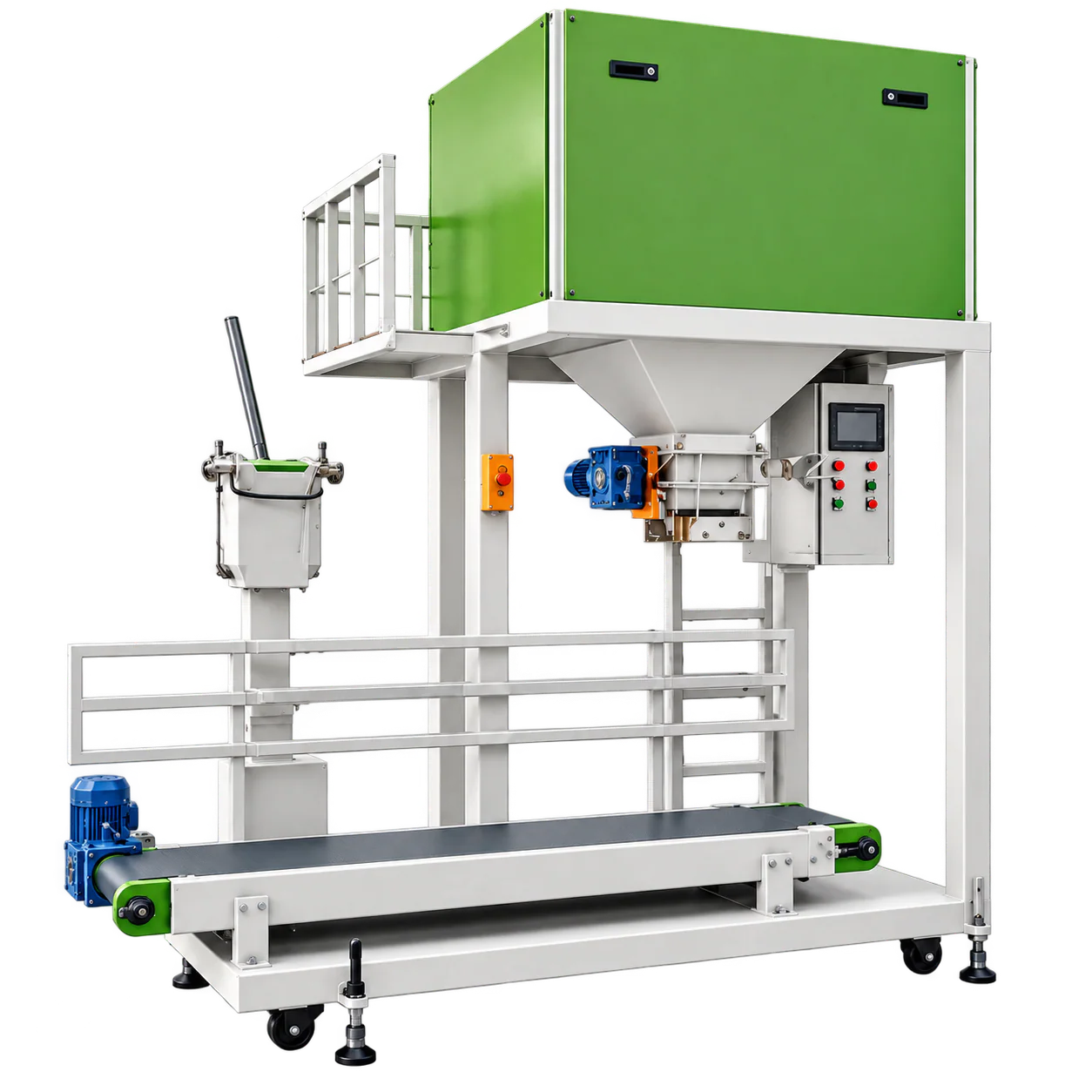
10Packing

Packing

Weigh, fill and prepare finished fertilizer for dispatch.

Critical process detail: aerobic fermentation

PurposeStabilize organic matter, reduce odor and prepare safe downstream processing
InputBlended organic feedstock with controlled moisture and structure
EquipmentTurner selected for windrow, groove or enclosed process route
OutputStable fermented material ready for curing, crushing or granulation
Control focusTemperature trend, moisture, oxygen, turning frequency and residence time
Release criterionDefined by maturity indicators and project quality plan
06
Core line configuration

Equipment configuration

The table shows a complete granular route. Powder lines can finish after crushing, screening and packing.
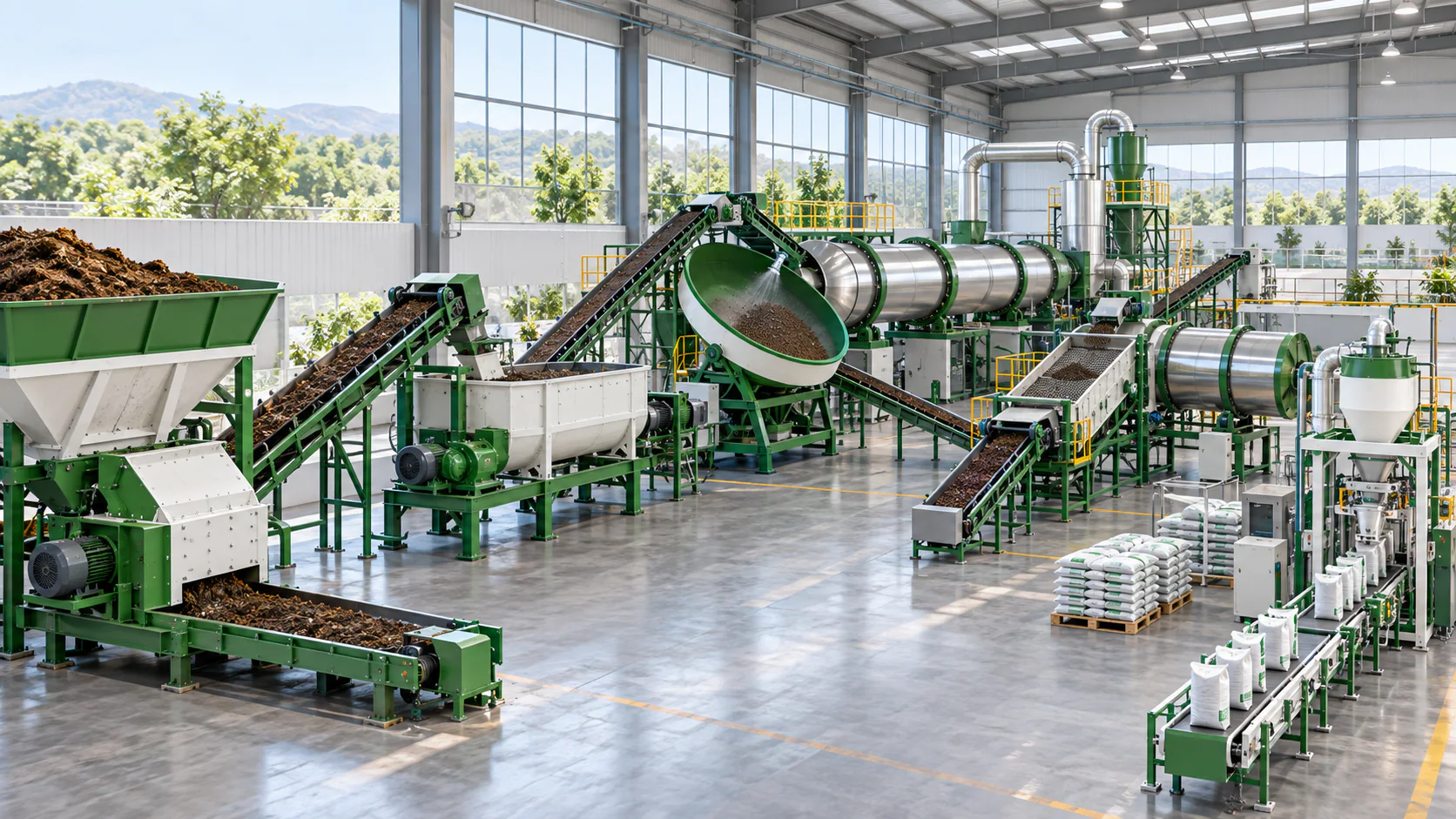
StageMain equipmentFunction
FermentationMobile / Groove Type Compost TurnerAeration, mixing and temperature release
CrushingSemi-Wet Material CrusherParticle-size control before mixing
MixingHorizontal MixerRecipe uniformity and stable granulation feed
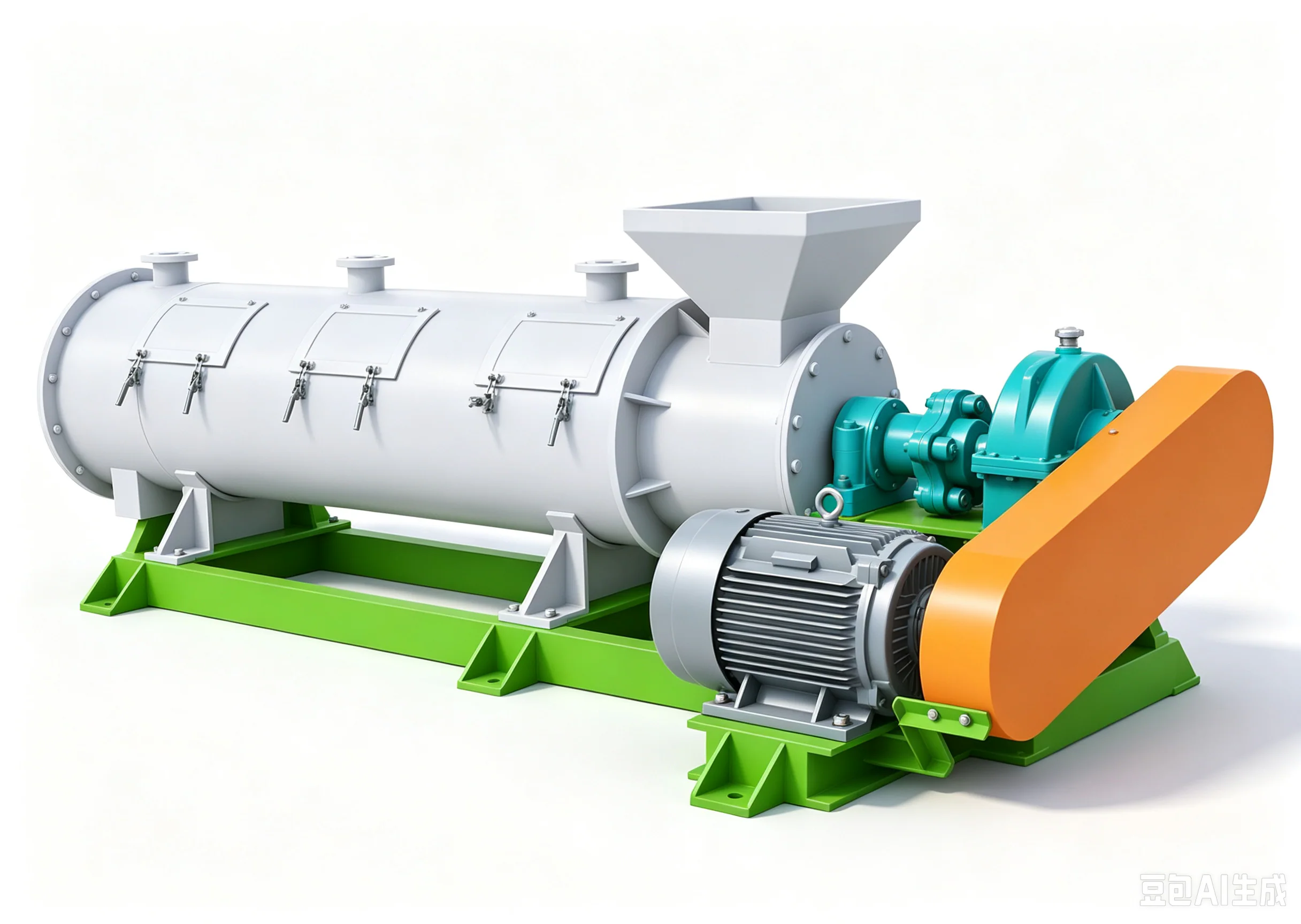
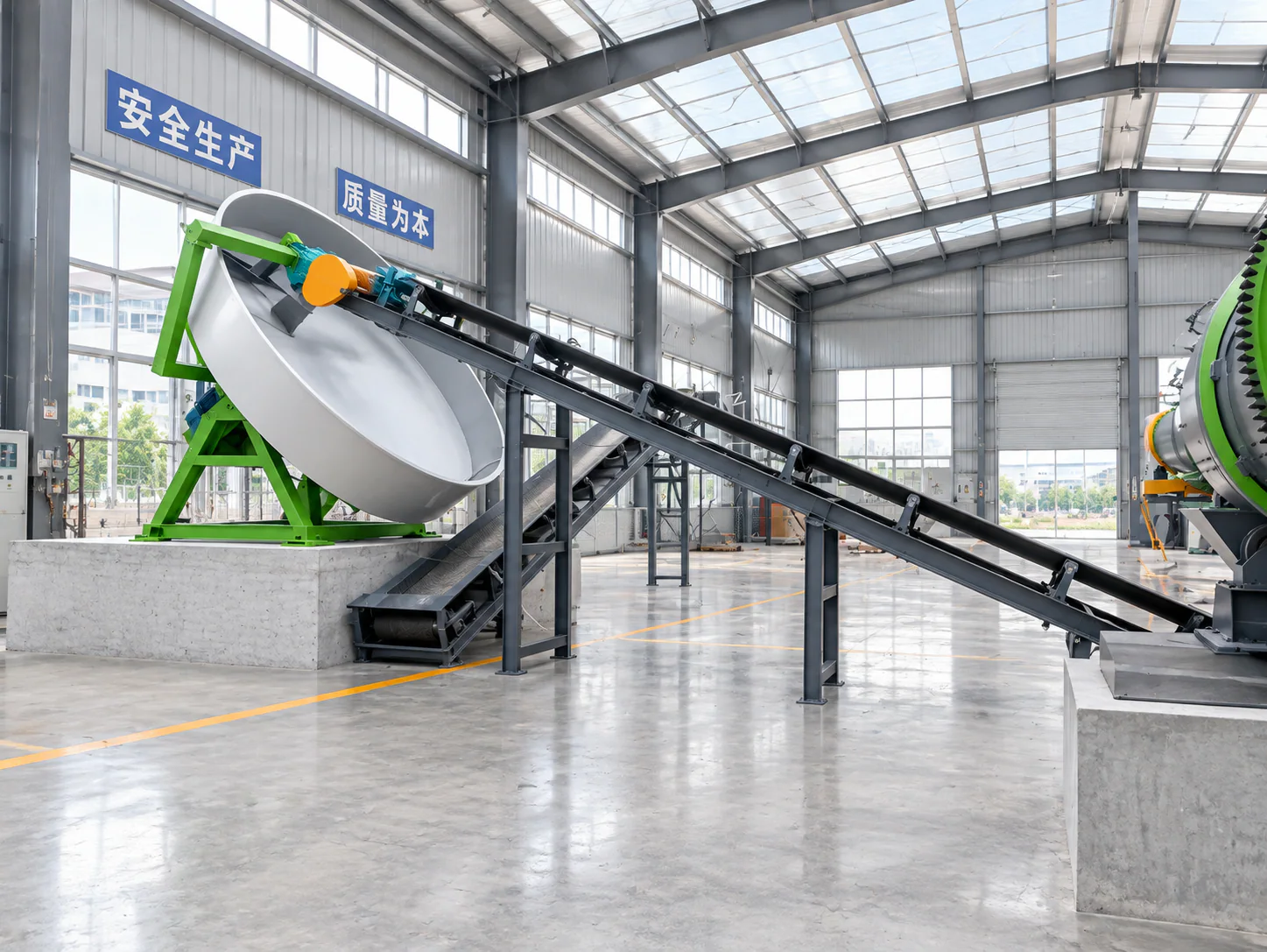
GranulationDisc or New-Type Organic Fertilizer GranulatorGranule formation matched to material
DryingRotary Drum DryerMoisture reduction after wet granulation
CoolingRotary Drum CoolerTemperature reduction and granule stabilization
ScreeningRotary Drum ScreenerQualified product separation and recycle control
CoatingCoating MachineSurface treatment and anti-caking option
PackingFertilizer Packing MachineAutomatic weighing, filling and bag handling
Complete organic fertilizer equipment configurationConnected equipment, balanced duty, customized layout
07
Scalable project design

Capacity options

Capacity bands are used for preliminary planning only; final output follows a mass balance and equipment duty review.

Compact line
Option 1

Compact line

Small farms, demonstration plants and staged investment

  • Simple material handling; manual-assisted or semi-automatic
  • Final capacity confirmed by feedstock and operating hours
  • Layout can reserve future expansion
Get this option reviewed
Standard commercial line
Option 2

Standard commercial line

Continuous commercial production with balanced finishing

  • More buffers, stable recycle and coordinated controls
  • Final capacity confirmed by feedstock and operating hours
  • Layout can reserve future expansion
Get this option reviewed
Large integrated plant
Option 3

Large integrated plant

Regional waste treatment and high-volume fertilizer production

  • Parallel preparation, higher automation and expanded environmental systems
  • Final capacity confirmed by feedstock and operating hours
  • Layout can reserve future expansion
Get this option reviewed
Manufacturer-published reference

Organic Fertilizer Production Line

View source page ↗
Published capacity1–20 t/h
ConstructionCarbon steel Q235 / alloy
Voltage / frequency220 / 380 / 415 / 440 / 480 V · 50 / 60 Hz
Published product formPowder or granules (sphere, cylinder and other configured forms)

The published 1–20 t/h range is a complete-line family range. Actual saleable output depends on incoming moisture, fermentation loss, recycle, operating hours and the selected equipment schedule.

08
Site engineering

Plant layout

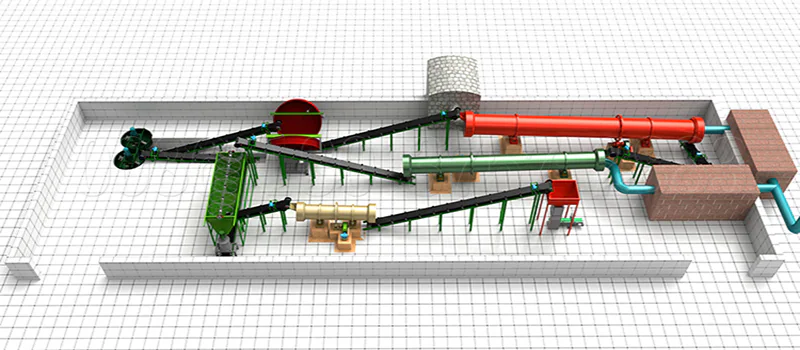
We provide coordinated 2D and 3D layout design according to the process route and site conditions.
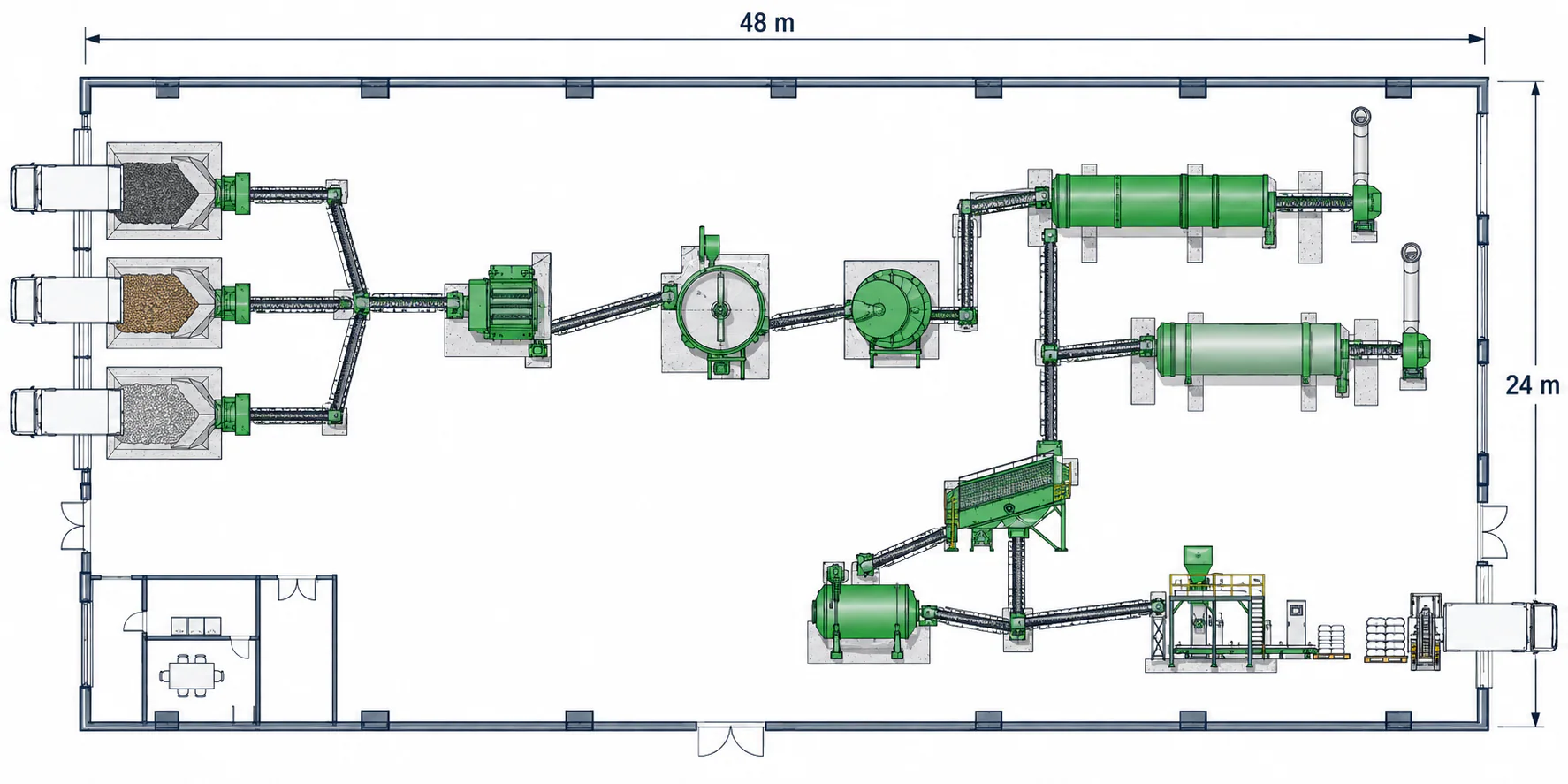
2D LayoutEngineering plan example
2D organic fertilizer plant layout drawing
3D LayoutOrganic fertilizer line arrangement reference
Organic fertilizer production line 3D layout reference
✓
Customized design

Adapt the arrangement to the land size and building

✓
Material flow

Keep the production route direct and efficient

✓
Equipment spacing

Reserve operation, lifting and maintenance access

✓
Local compliance

Coordinate structure, fire, drainage and discharge

09
Operating boundary

Utility requirements

Utilities are confirmed from the final equipment list, local standard and production schedule.

01

Electricity

Voltage, frequency, installed load and transformer margin

02

Water

Moisture adjustment, cleaning and treatment requirements

03

Fuel / heat source

Natural gas, diesel, biomass or another approved source if drying is used

04

Compressed air

Packing, valves and instruments where applicable

05

Workshop

Clear height, ventilation, drainage, access and foundations

06

Operators

Shift staffing based on automation and local handling method

10
Budget planning

Investment factors

A responsible quotation separates equipment scope, civil works, utilities, environmental systems and service.

PROJECT COSTCapacity & shiftsFeedstock pretreatmentGranulation routeDrying and air systemAutomation levelPacking formatCountry and site conditions

What determines the investment?

  • Actual material condition and pretreatment duty
  • Powder or granular finished product
  • Required throughput and annual operating hours
  • Drying, cooling, screening and recycle scope
  • Dust, odor, exhaust and wastewater controls
  • Automation, storage, packing and palletizing
  • Local fabrication, freight, installation and civil works
11
Three planning levels

Configuration options

Select the operating philosophy first; the final equipment list is still engineered around the material.

ECONOMIC

Economic configuration

  • Essential preparation and production equipment
  • Manual-assisted handling where practical
  • Suitable for validated small or staged projects
Request configuration
AUTOMATED

High-automation configuration

  • PLC-integrated dosing, production and packing
  • Expanded monitoring, interlocks and material handling
  • Suitable for stable high-volume production
Request configuration
12
Process rationale

Why this process

The sequence solves biological stability first, then product form and market quality.

01

Why ferment first?

Fermentation stabilizes organic matter and prepares the material for dependable crushing, mixing and storage.

02

Why control moisture?

Moisture affects aeration, granulation, dryer duty, storage behavior and final product stability.

03

Why mix before granulation?

Recipe uniformity protects granule formation and finished nutrient consistency.

04

Why granulate?

Granules improve handling, packaging, application consistency and commercial presentation.

05

Why screen and recycle?

Classification protects product size while returning usable material to the process.

06

Why engineer the whole line?

A balanced line prevents one stage from creating blockages, quality loss or excess energy use downstream.

13
Verified references

Project cases

Only documented location, material, capacity and route facts are presented.

14
Buyer questions

Frequently asked questions

These answers define the next engineering step rather than promising one fixed configuration.

Can fresh manure enter the granulation line directly?

Usually not. Fermentation readiness, moisture and impurities must be checked before crushing or granulation.

How long does fermentation take?

It depends on material, climate, turning method, moisture, aeration and maturity target; it is confirmed by the process design.

Can I produce powder first and add granulation later?

Yes. A staged layout can reserve conveying, utilities and space for future granulation and finishing.

Is drying always required?

Not always. It depends on feed moisture, granulation method, final moisture and storage requirement.

Which granulator should I choose?

Disc, stirring, rotary drum and extrusion routes fit different materials and products. Selection follows tests and market targets.

Can existing equipment be reused?

Yes, after checking duty, condition, interfaces, controls, elevation and compatibility with the new mass balance.

How many operators are needed?

The staffing plan depends on automation, shifts, storage, loading and local material-handling practice.

Do you provide installation and commissioning?

The project scope can include layout coordination, installation guidance, commissioning and operator training.

How are dust and odor treated?

Capture points and treatment are designed from the actual fermentation, crushing, drying, screening and packing emissions.

What is needed for a quotation?

Send feedstock type, moisture, daily quantity, product target, capacity, site, utilities and preferred packaging.

15
Start the engineering study

Get a customized production line design

Required fields are standardized for engineering review and lead routing.

Get Your Fertilizer Production Solution & Quote

The more project details you provide, the more accurately our engineers can recommend the right equipment, production process, and solution for you.

Please share as much information as you can to receive a more accurate customized solution and quotation.

1Project basics2Project details
Step 1 of 2 — Tell Us About Your Project

Let’s start with a few basic details about your project. It only takes a minute.

Your Contact Information

Please use your business email if available.

Your basic project information is saved when you continue to Step 2.

Privacy notice