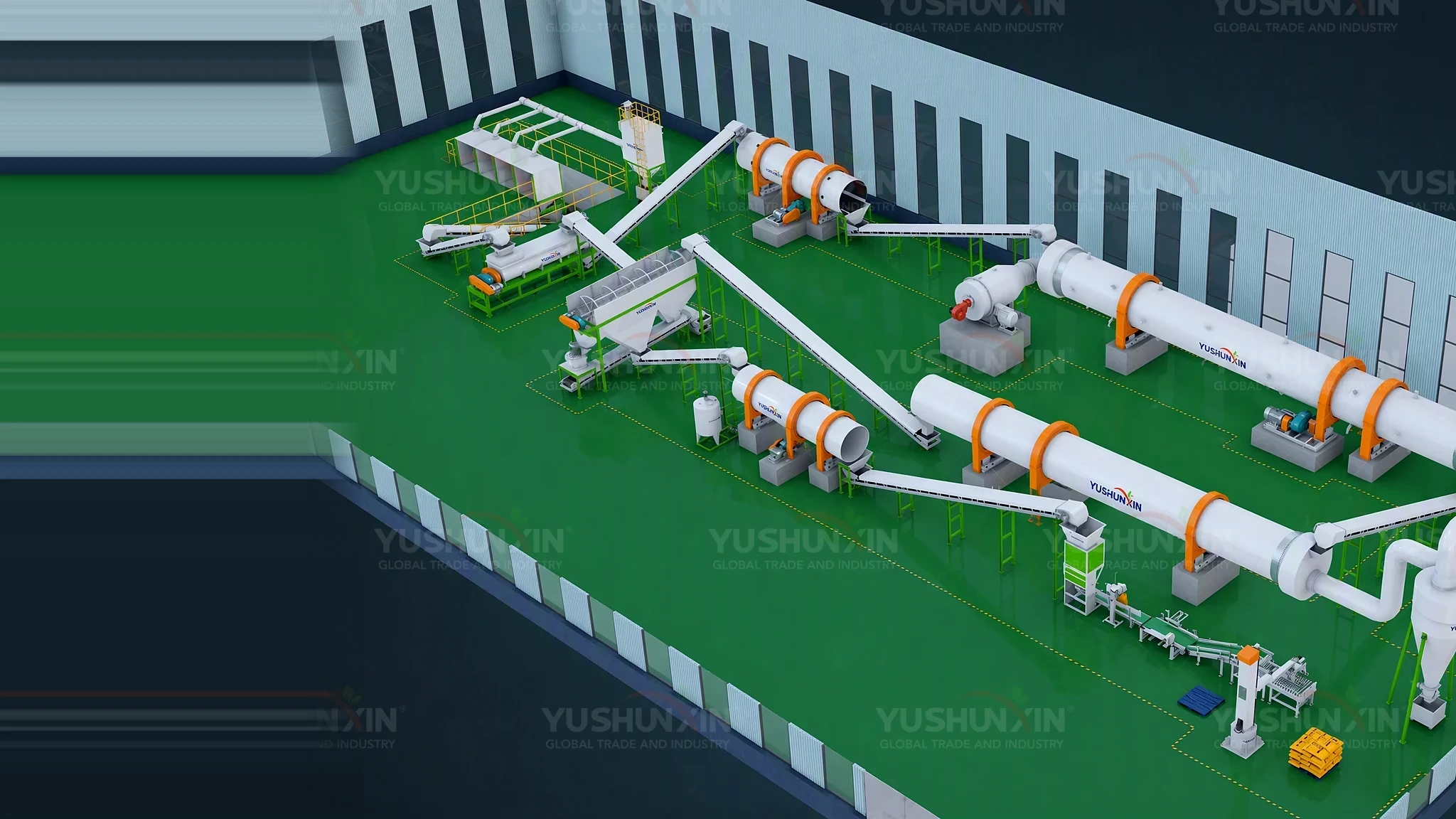
Engineered route
Phosphate Fertilizer Production Line
Rock-phosphate route that fixes the reaction step first, then sizes granulation, drying and finishing around it.
View details → Get a Proposal
Phosphate products differ by acidulation and curing time, so reaction and maturing capacity shape the plant more than the granulator.
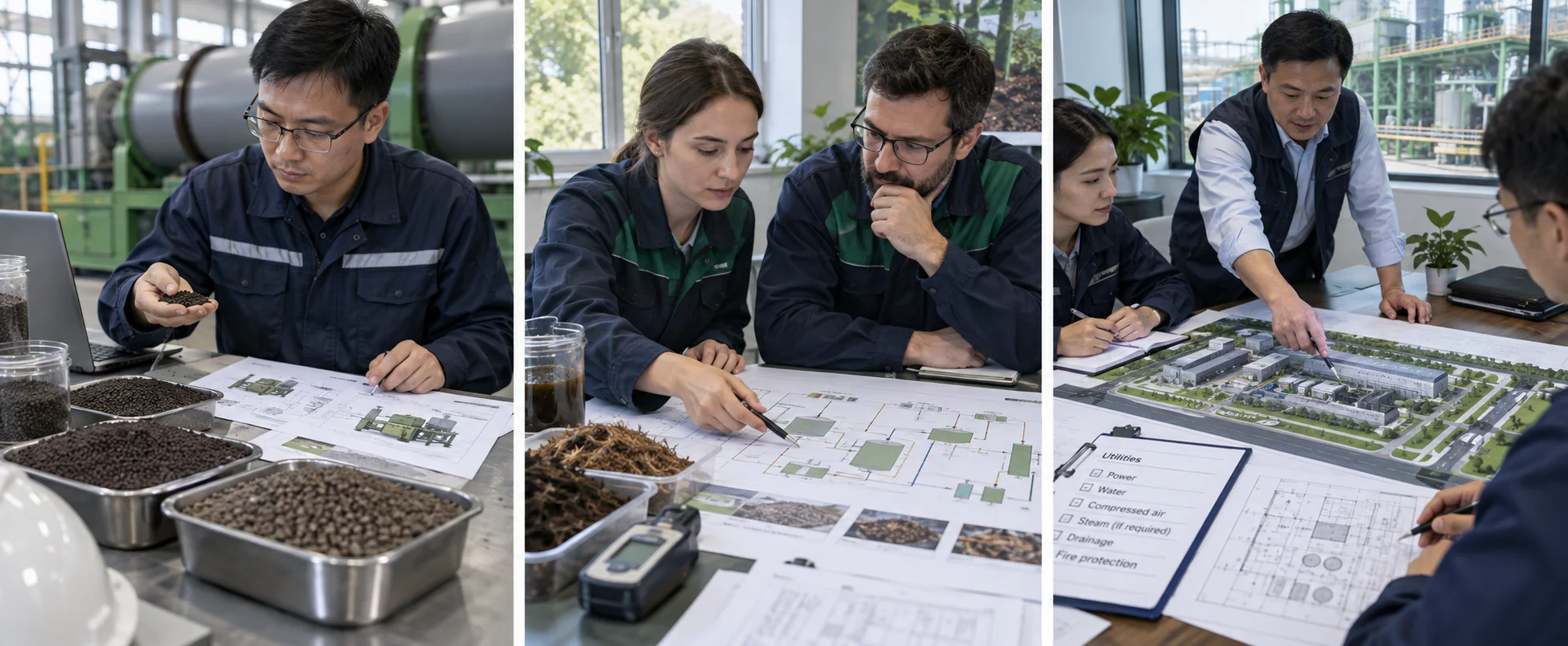
Confirm composition, moisture, particle condition and contaminants.
State capacity with units, operating hours and variability.
Define form, size, moisture, formula and package.
Include upstream, downstream, utilities and environmental controls.
5 dedicated pages with distinct names and process roles.
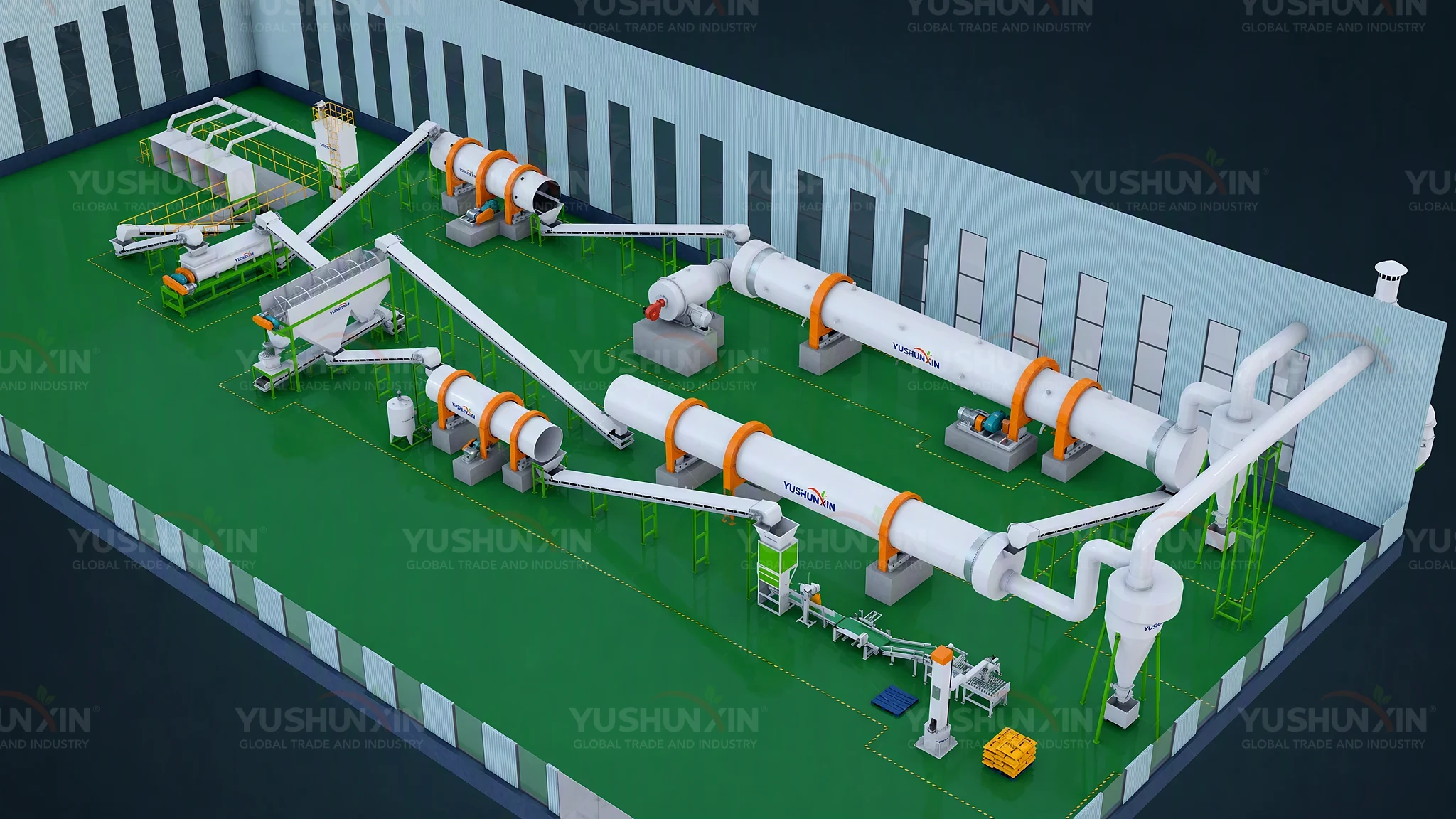
Rock-phosphate route that fixes the reaction step first, then sizes granulation, drying and finishing around it.
View details →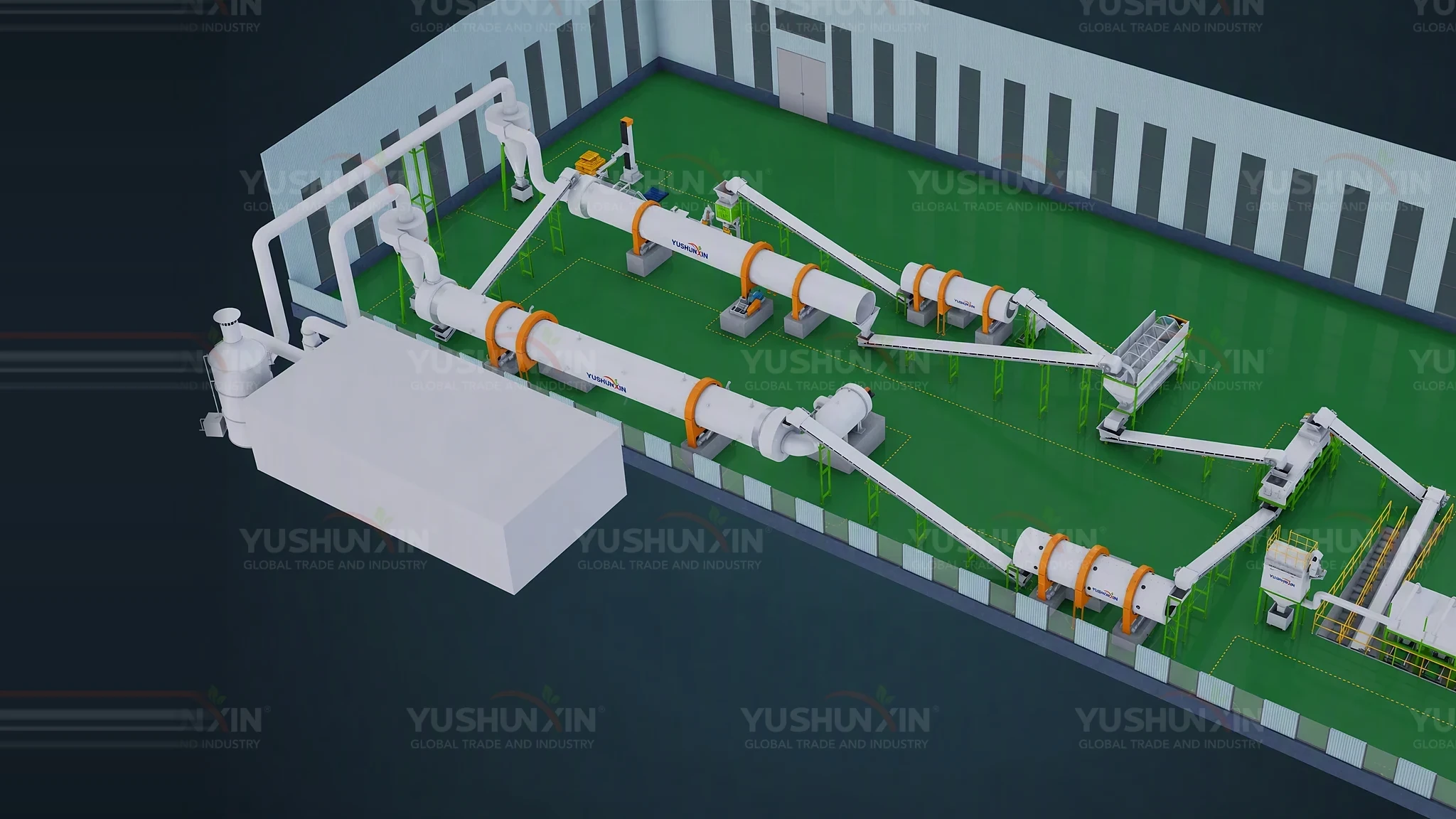
Sulfuric acid acidulation, curing and neutralisation ahead of granulation, drying and screening.
View details →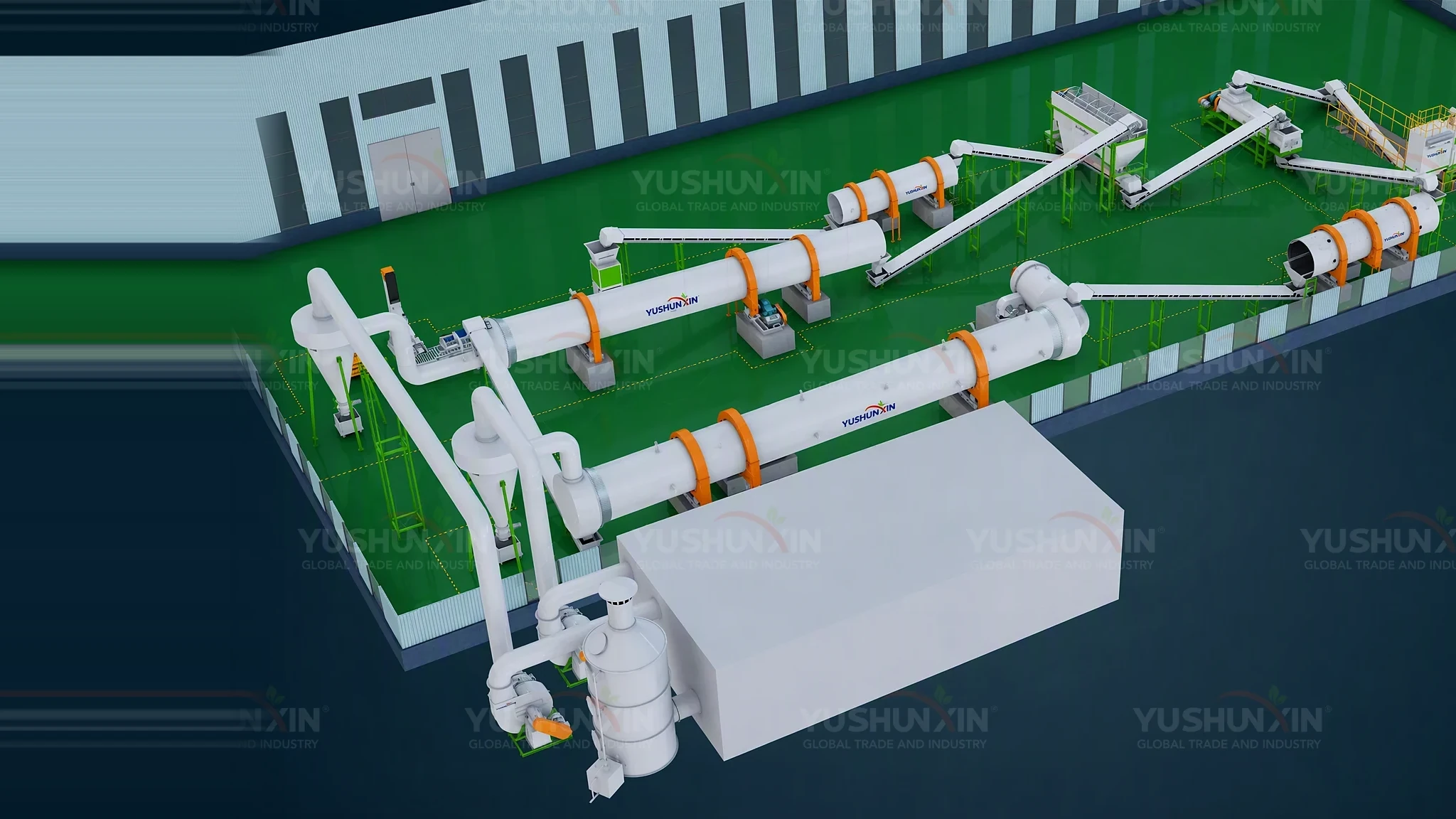
Ammonia and phosphoric acid react in a slurry drum, with granulation, drying and cooling run as one continuous duty.
View details →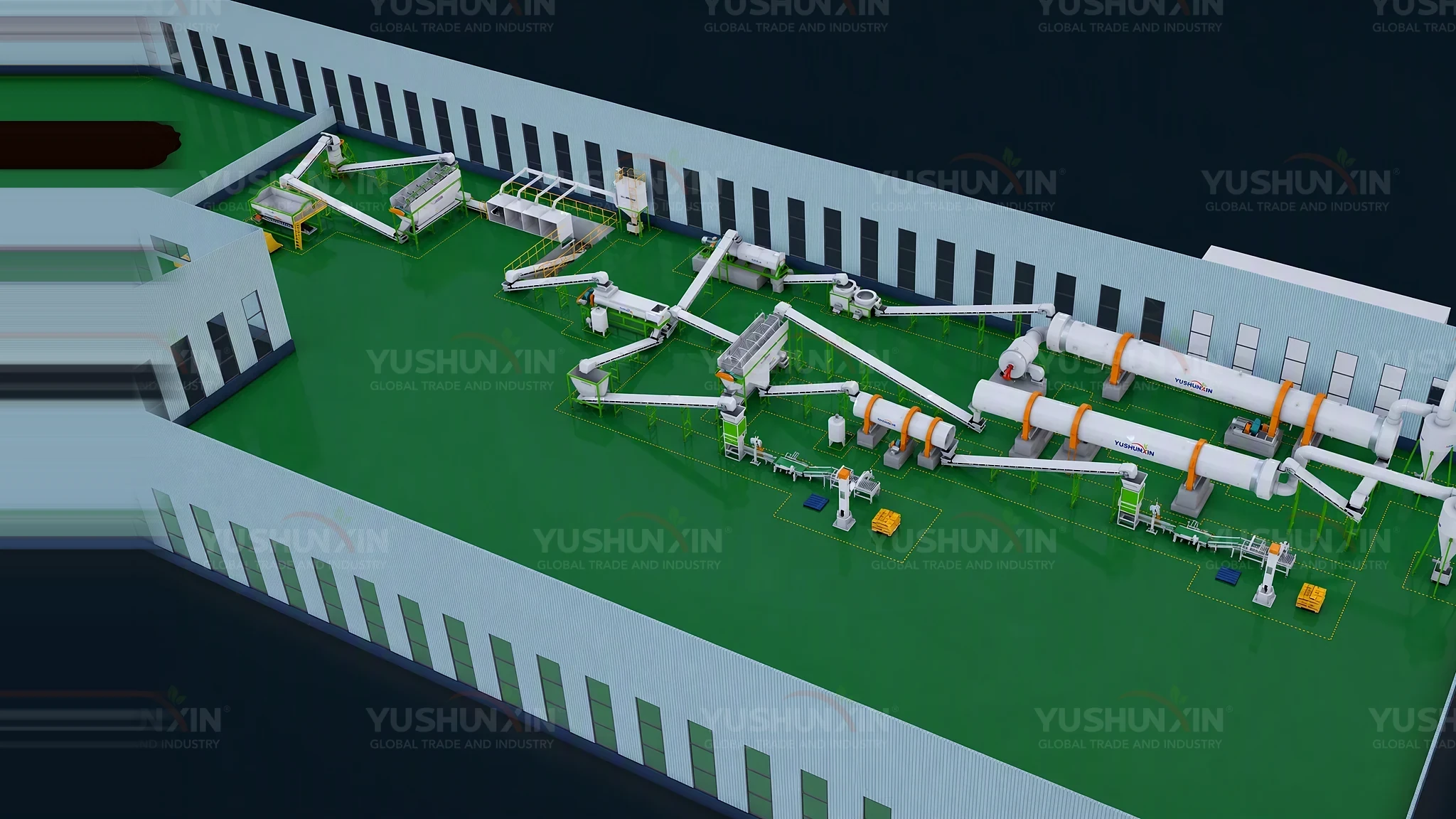
Lower-pH ammonium phosphate route with a narrow granulation and drying window and a high recycle load.
View details →
Concentrated phosphate route where reaction, maturing and dust control set the granulation and drying duty.
View details →Unsupported catalogue numbers are not invented. Open each page for its verified-data status.
Reject options outside moisture, size, contamination or flow limits.
Match the physical or biological transformation required.
Check buffers, recycle and the slowest connected stage.
Compare wear, cleaning, energy, labor and maintenance access.
Manure, compost, biomass and other validated organic feedstocks.
NPK, compound, BB or specialty formulas where the mechanism fits.
Verified mineral, carbon-based and soil-amendment applications.
Covers acidulation and dry-granulation rock-phosphate routes, with the reaction step fixed before equipment sizing.
View details →Acidulation, curing and neutralisation ahead of granulation; curing capacity usually sets the plant rhythm.
View details →Ammonia and phosphoric acid react in a slurry drum, so granulation, drying and cooling run as one thermal duty.
View details →Use the case finder to match material, finished product, capacity, country or region and process technology. Illustrative visuals are labelled separately from project facts.
Filter project casesNo. Material data, duty, product target and connected stages are required.
They will be published only from approved manufacturer datasheets. Current pages identify missing specifications rather than inventing them.
Yes, after checking condition, duty, interfaces, elevation, controls and safety requirements.
Compare the feed behavior, formulation, target granule and downstream finishing—not only nominal capacity.
View details →A practical guide to fermentation readiness, moisture control, crushing, granulation and finishing.
View details →The raw-material, product, site and utility information engineers need before configuration.
View details →A production endpoint is still required before this form can transmit.
 +8615981847286WhatsApp
 [email protected]Email
 Please enter the contentSearch
 Click to return to the topTOP