MAP / MKP
Fully soluble phosphate sources; the base of most formulas.
 Get a Proposal
Turns water-soluble powder into granules that dissolve cleanly without dusting, so the product can be spread or blended instead of only fertigated.
The chemistry is already decided by the powder; the line only changes its physical form. What needs engineering is solubility after granulation: a granule that will not dissolve is a defect, not a feature.
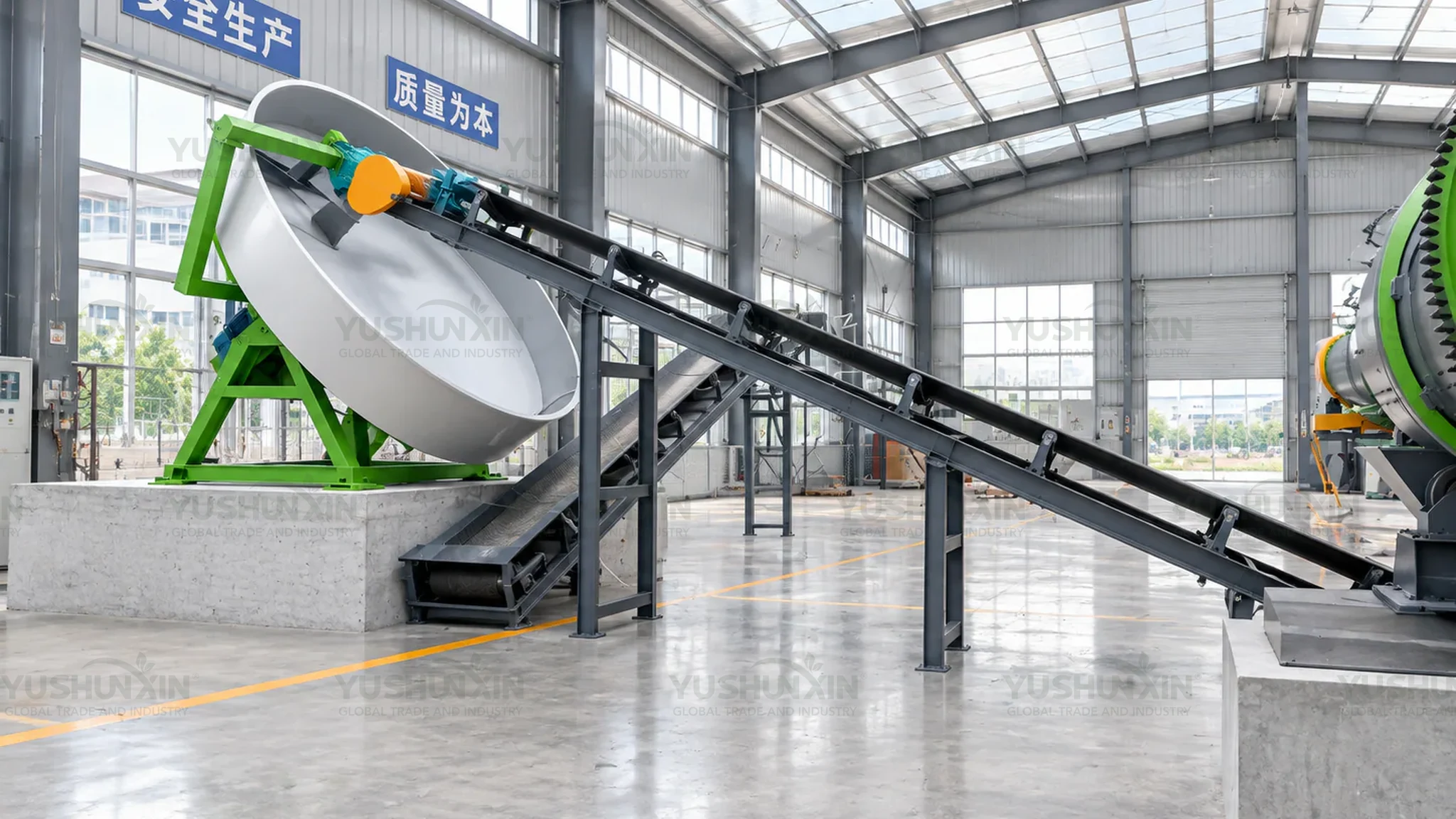
The granulator must not add insolubles; binder selection decides whether the product still passes the jar test.
Every input must be fully soluble in the target water. An insoluble filler will show up as residue at the customer.
Fully soluble phosphate sources; the base of most formulas.
Soluble potash; potassium sulfate is slower to dissolve than nitrate.
Highly hygroscopic; needs a dry line and a sealed bag.
Added in small shares; they set the batching accuracy requirement.
Must be soluble. Starch or a soluble polymer, never clay.
The buyer tests two things: does it dissolve, and does the EC match the label. Both are affected by what the line adds.
Complete in the stated time at the stated concentration and water temperature.
Insoluble matter below the buyer limit; binder and filler are the usual culprits.
1–3 mm for blending, 2–4 mm for direct application.
Cooling and coating decide whether the bag pours in a humid store.
Six stages. The granulation and drying steps are where solubility is either preserved or lost.
| Stage | Purpose | Key equipment | Control point |
|---|---|---|---|
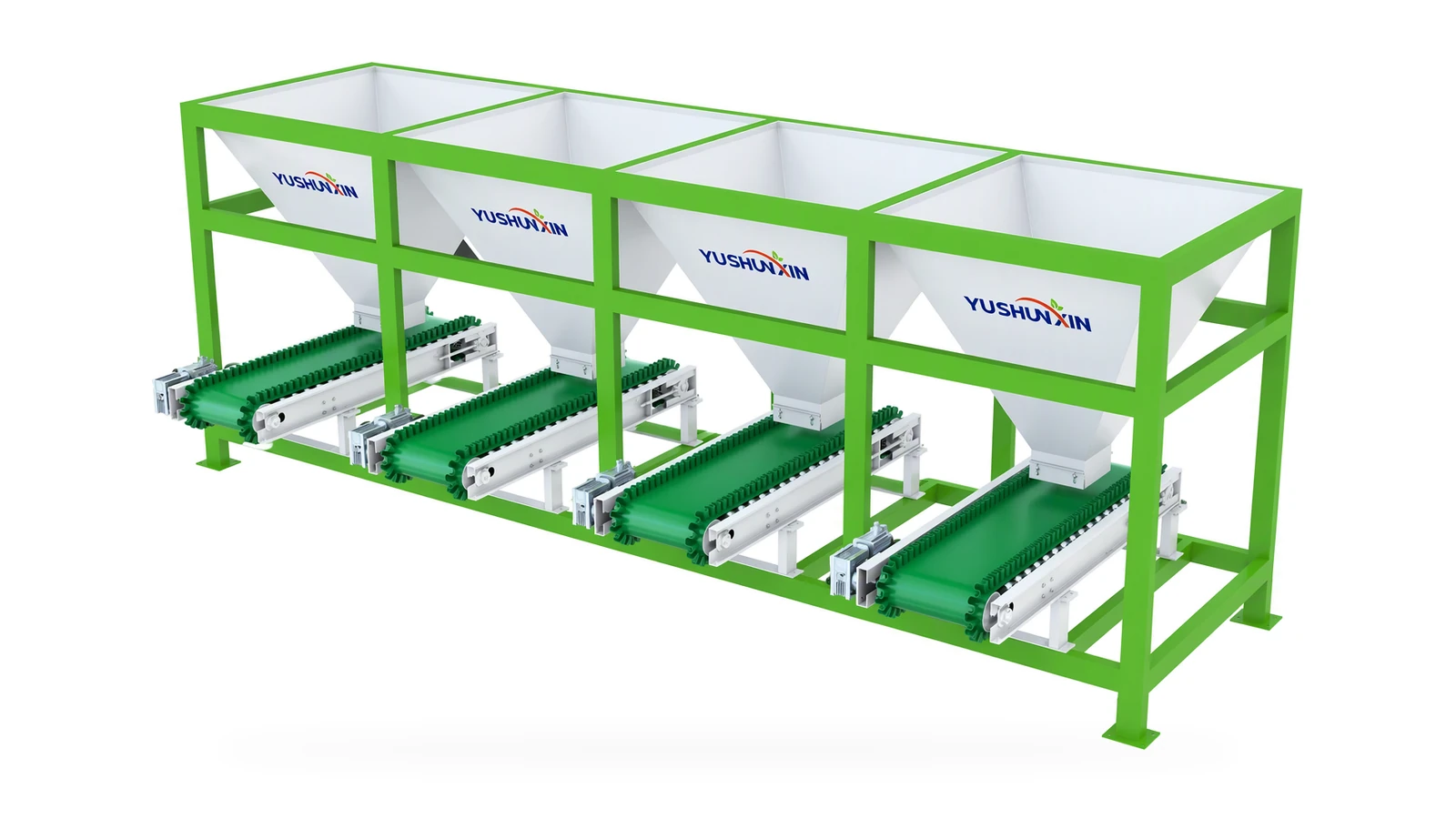
| 1. Batching | Weigh soluble salts to formula | Automatic batching machine | Small-share accuracy |
| 2. Mixing | Homogenise before granulation | Double-shaft mixer | No lump formation |
| 3. Granulation | Build a soluble granule | Disc granulator or roller press | Binder type and dose |
| 4. Drying & cooling | Reach spec moisture without thermal damage | Rotary drum dryer and cooler | Nitrate temperature limit |
| 5. Screening | Cut to the declared size | Rotary drum screener | Oversize recycle |
| 6. Packing | Seal against humidity | Packing machine | Bag barrier quality |
Typical equipment scope for this route. Final selection follows the approved mass balance and site conditions.

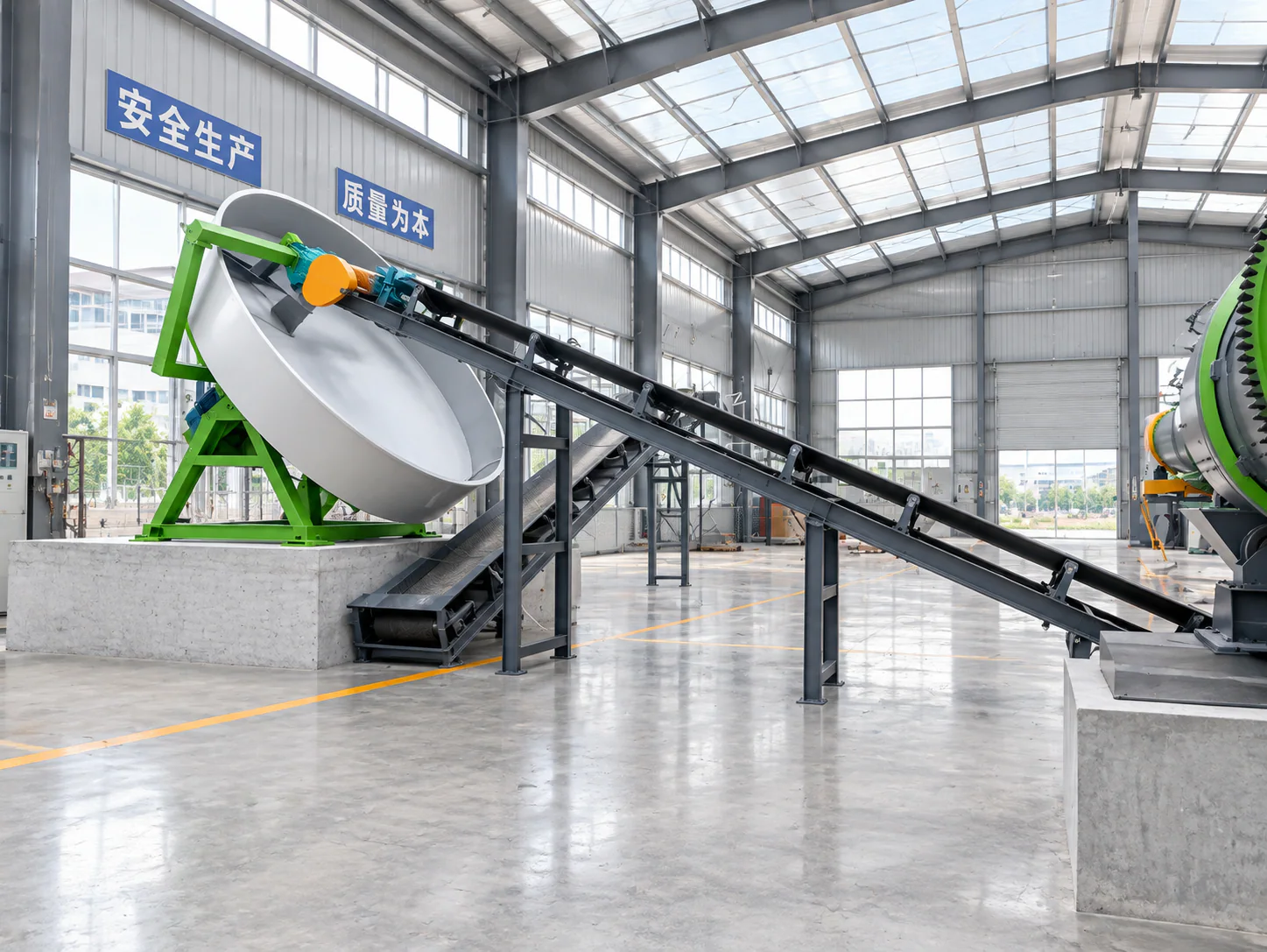
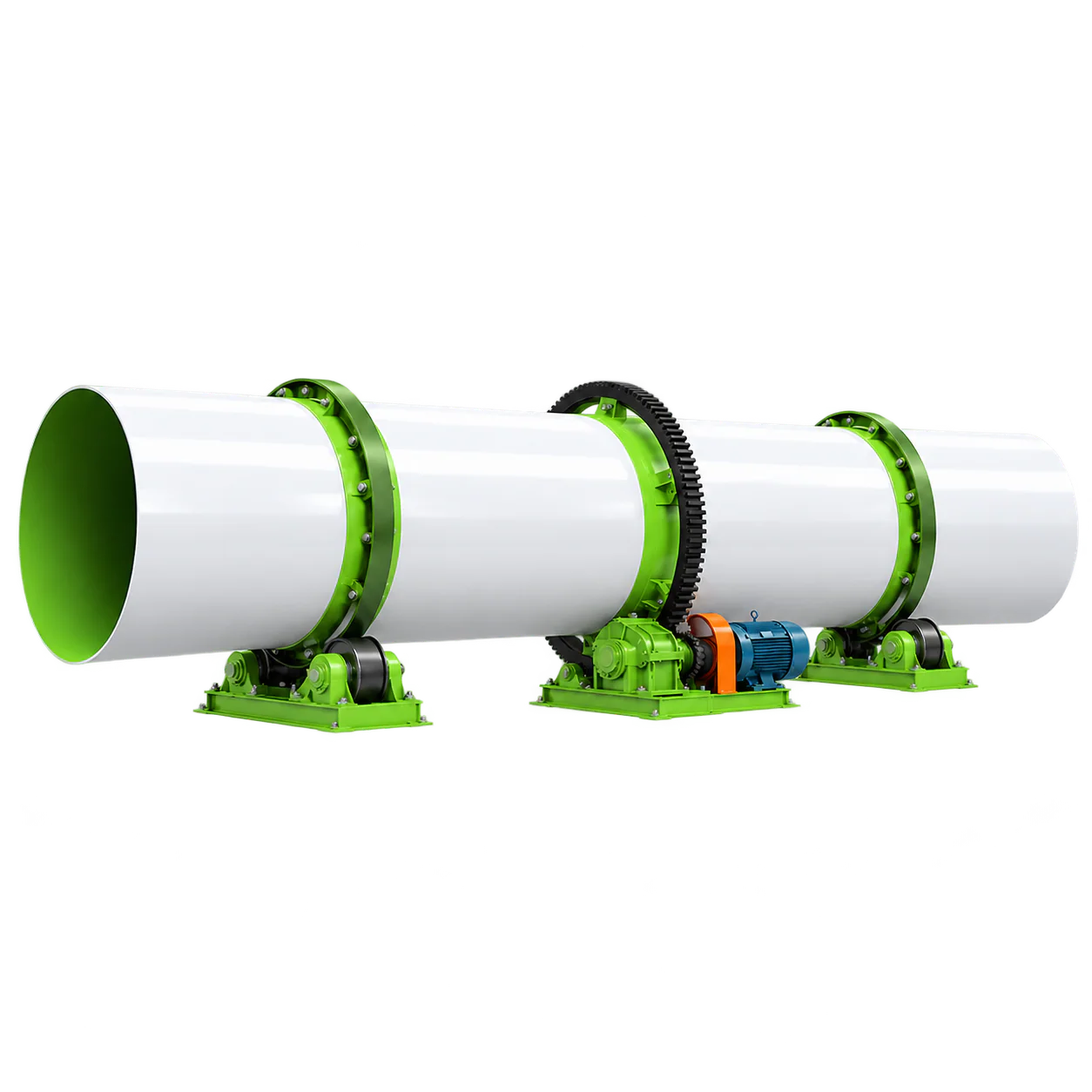

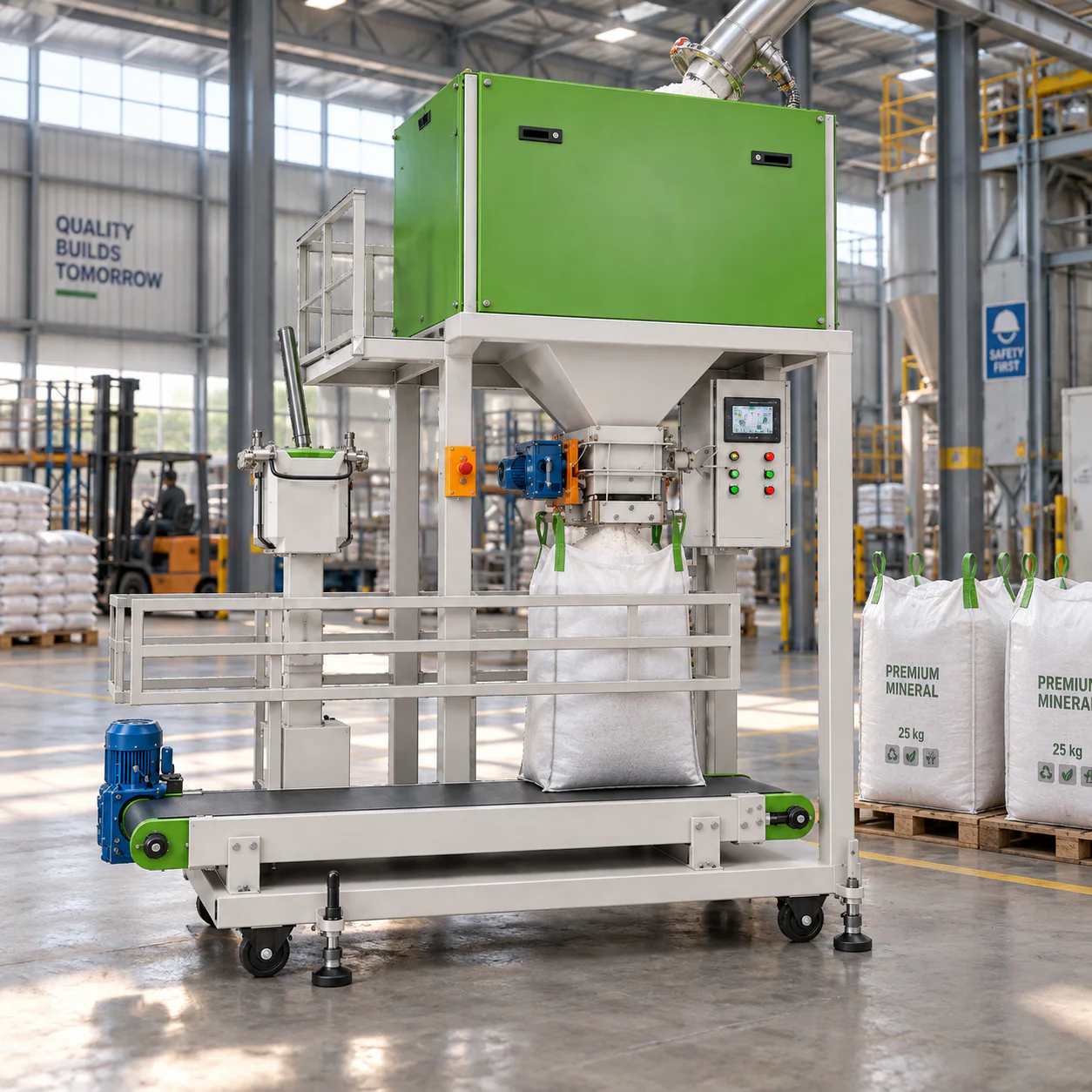
Bands describe typical project scale; the actual figure is confirmed by mass balance, not by a nominal model number.
Single disc granulator; batch drying.
Parallel granulators, continuous drying and screening.
Multi-line plant with automated packing.
Basis for the utility sheet. Local voltage, fuel and water quality are confirmed during engineering.
Granulator and dryer dominate.
Dryer heat; indirect hot air keeps combustion products out of a sensitive product.
Only for binder preparation; excess water lengthens drying and risks dissolution loss.
Nitrate and chelate raw materials must stay dry.
Controls that decide whether the line holds its specification in daily operation.
Dissolution time and residue, per batch.
The one variable that quietly changes solubility.
Glassy skin forms above the formula limit.
A good granule in a poor bag cakes anyway.
Straight answers on scope, limits and what we need to quote.
Slightly slower by design. What matters is that it dissolves completely within the buyer stated time; we test that before the binder is fixed.
Disc for rounder granules and lower output; roller for higher output and drier mixes. Solubility testing decides.
It is possible but difficult: highly hygroscopic, so cooling, coating and the bag barrier carry most of the risk.
The formula, the buyer dissolution spec, granule size and bag type.
Send material, capacity and site constraints; the engineering team replies with a route recommendation.
 +8615981847286WhatsApp
 [email protected]Email
 Please enter the contentSearch
 Click to return to the topTOP