Composted organic base
Manure, straw or food-waste compost that has finished thermophilic phase and cooled. Immature compost will heat again in the bag and kill the culture.
 Get a Proposal
Adds a live microbial inoculant to composted organic matter and holds it through low-temperature drying, so the finished granule still carries a viable colony when it reaches the field.
A bio-organic line is an organic granulation line with two extra constraints: the inoculant is dosed after composting, and no process stage is allowed to exceed the temperature the strain tolerates. Everything upstream of the dryer is conventional.
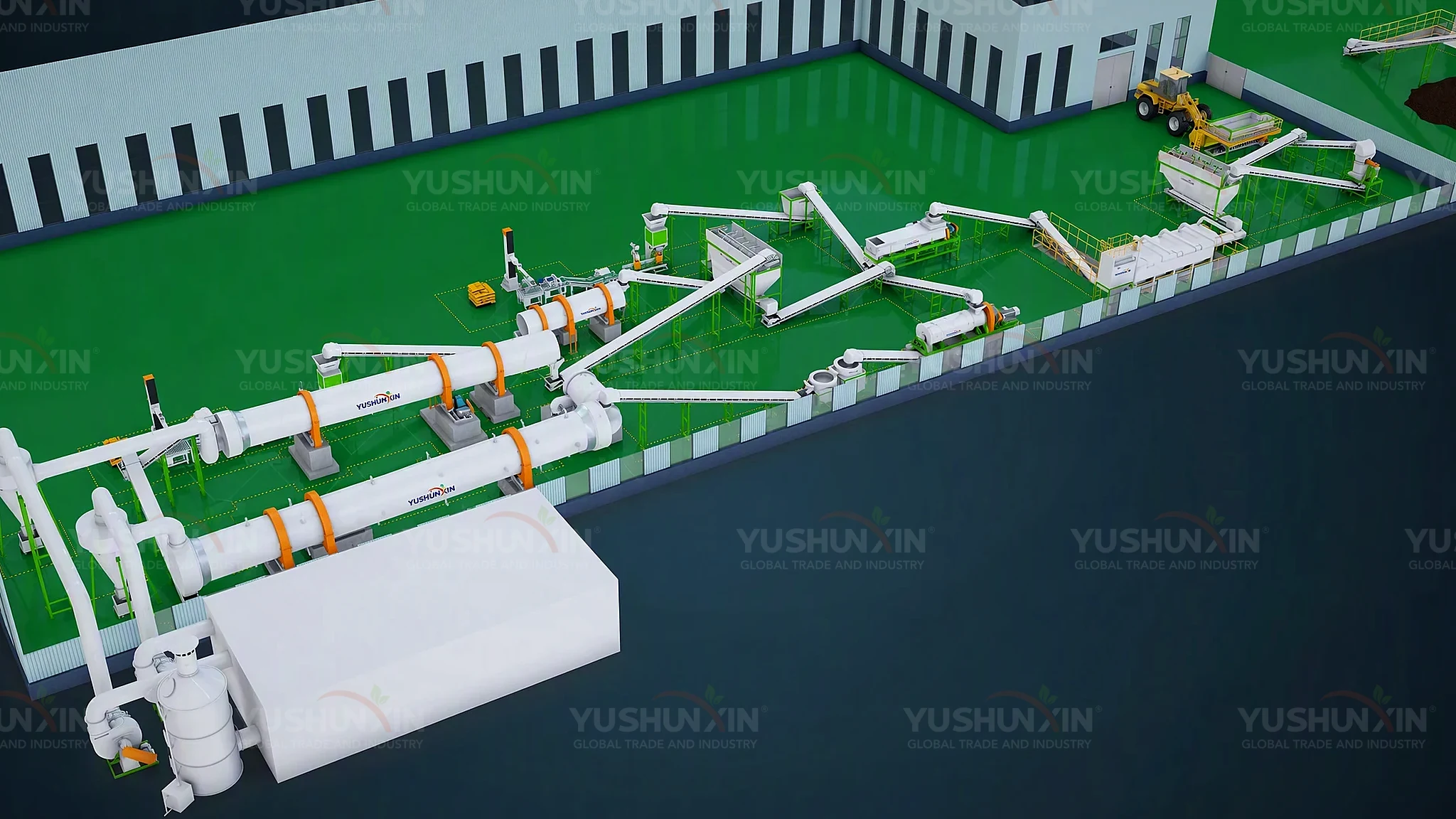
Inoculant dosing sits after composting and before granulation; the dryer is the stage that decides survival.
The line accepts any well-composted organic base. What changes the design is the inoculant and the carrier, not the manure source.
Manure, straw or food-waste compost that has finished thermophilic phase and cooled. Immature compost will heat again in the bag and kill the culture.
Bacillus, Trichoderma or a project-specific consortium. Supplied as powder, liquid or carrier-based; dosing point and form change the batching design.
Molasses, starch or fine compost powder used to carry and protect the culture during compaction.
Bentonite or zeolite where granule strength or dust control needs it, kept low enough not to dilute the organic claim.
Only enough water to make a compactable mass; excess water means more drying, which is the main threat to viability.
Product value is set by CFU count and granule durability together. One without the other does not sell twice.
2–4 mm typical for field application; screened to a declared range rather than a nominal number.
Declared in CFU/g at packing, with a shelf-life statement. Confirm the assay method with the buyer before design.
Kept low enough to avoid re-activation and mould; the low-temperature dryer is sized around this, not around maximum evaporation.
Granules must survive bagging and transport without turning back into powder in the bag.
Four stages, one of which is a constraint on the others: the dryer sets the ceiling for everything upstream.
| Stage | Purpose | Key equipment | Control point |
|---|---|---|---|
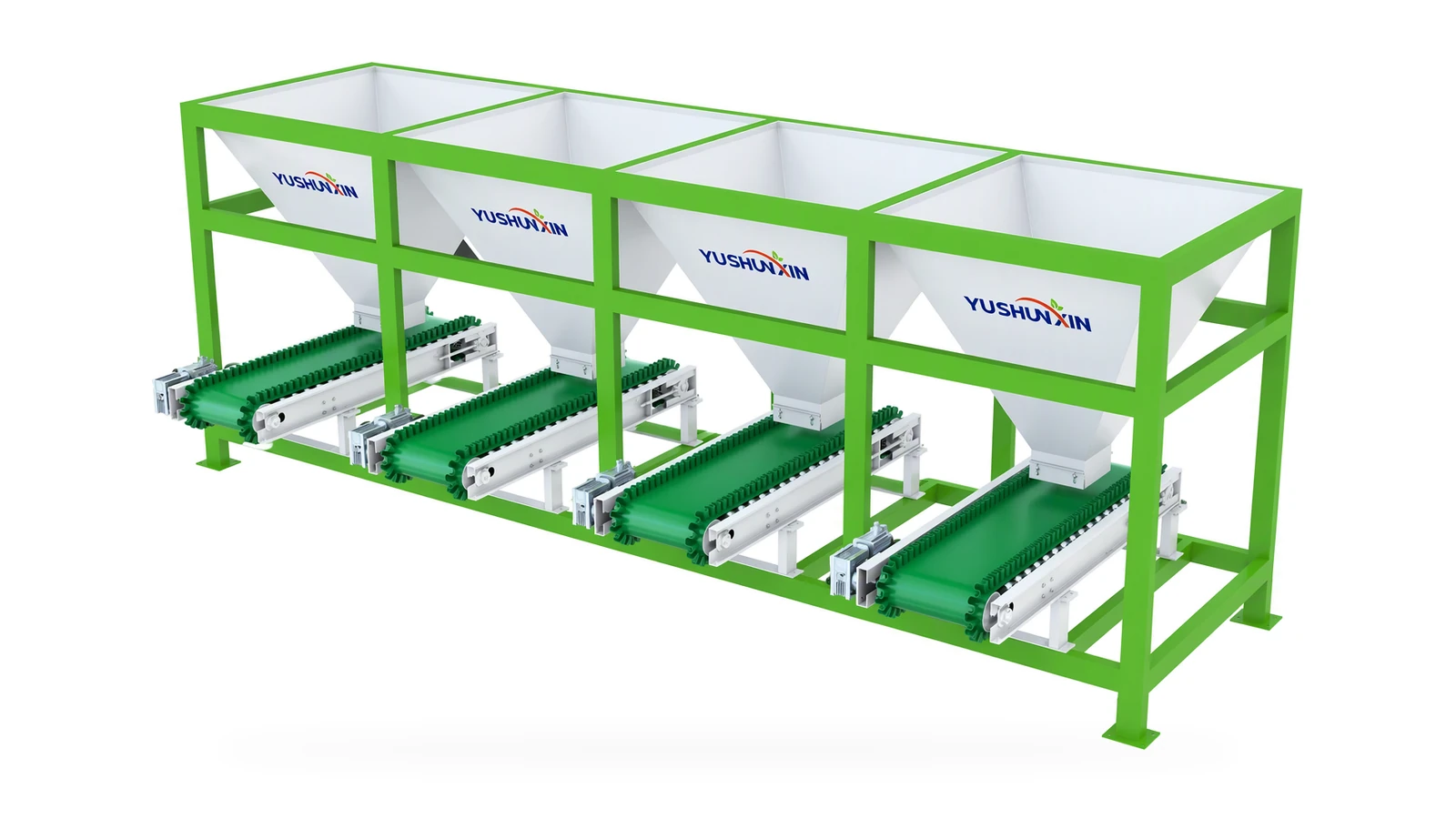
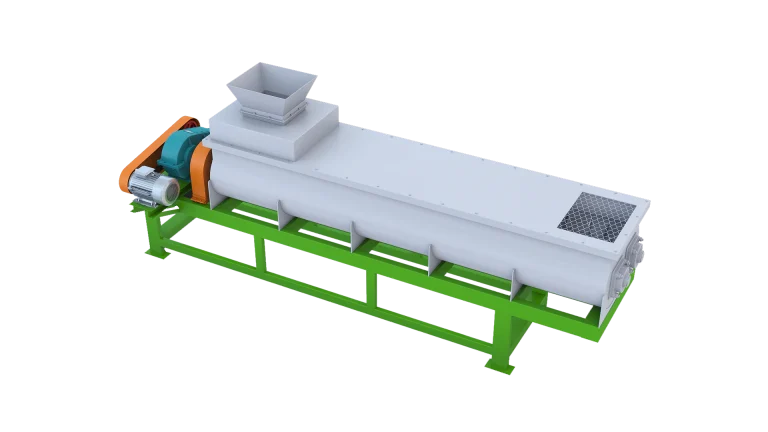
| 1. Batching & inoculation | Meter compost, binder and inoculant to recipe | Automatic batching machine, double-shaft mixer | Inoculant added last, below 40 °C |
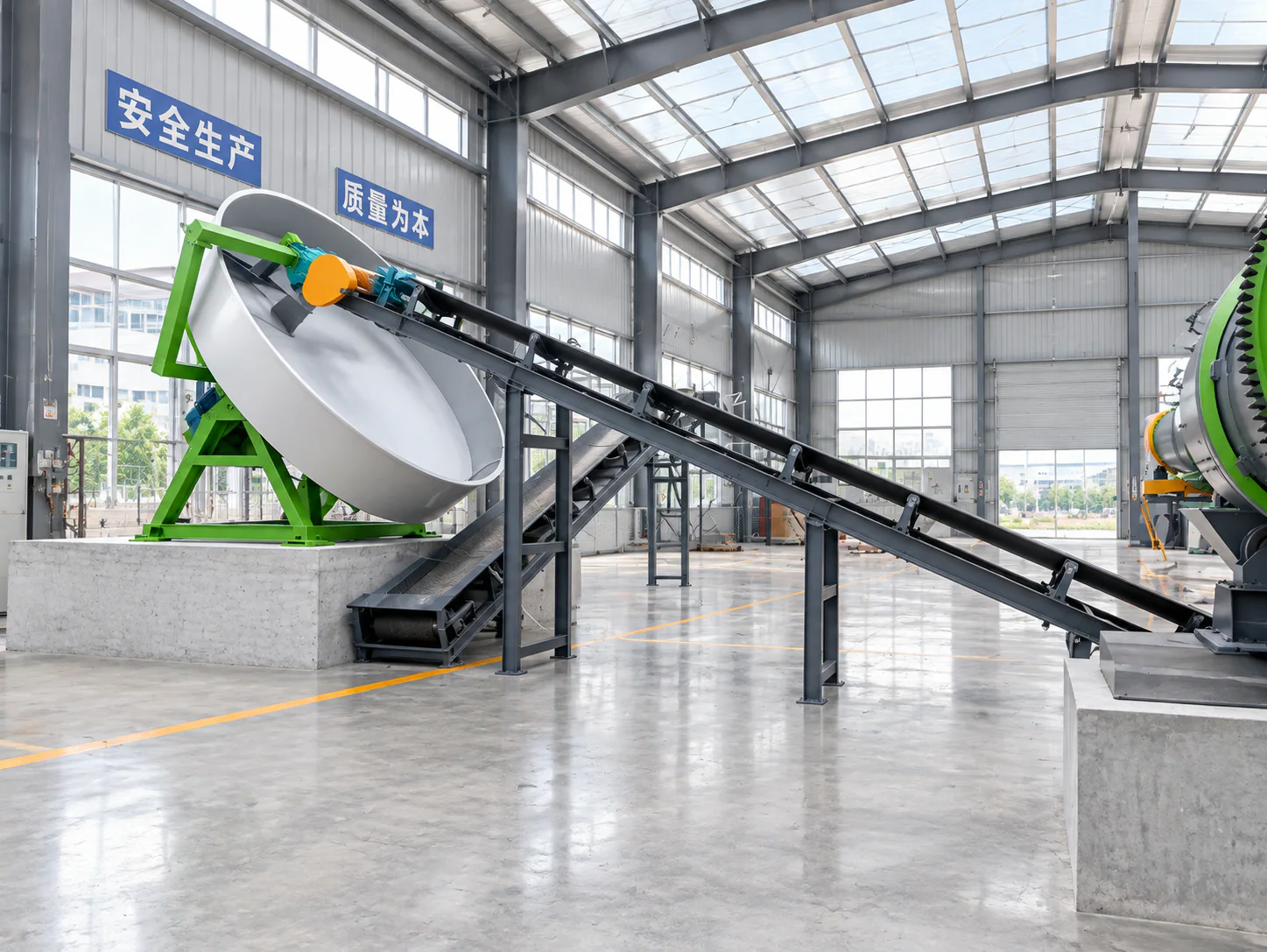
| 2. Granulation | Form a durable green granule | Disc granulator or double roller extruder | Moisture at press, not after |
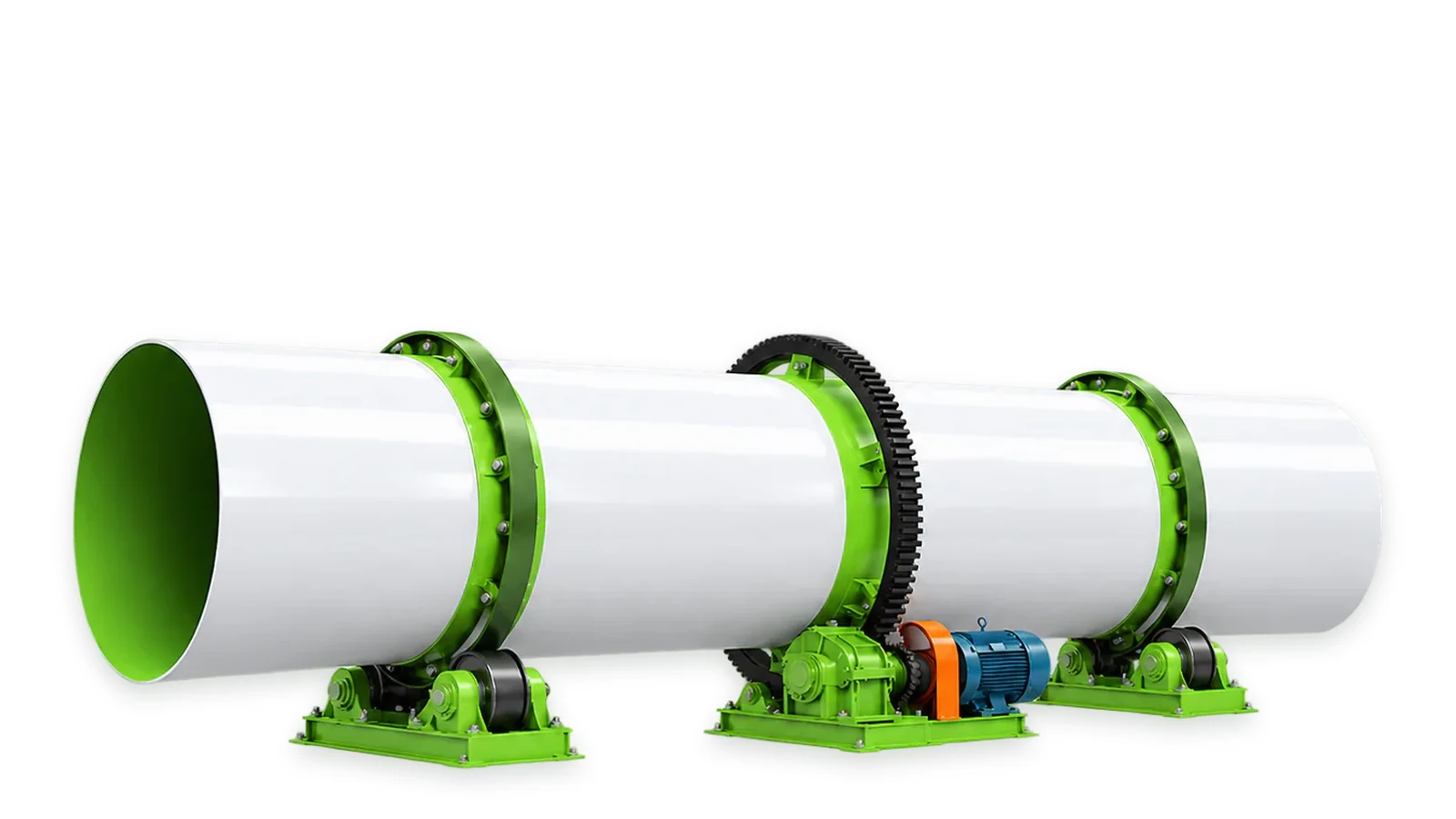
| 3. Low-temperature drying | Remove water without killing the culture | Rotary drum dryer with modulated heat | Material temperature, not air temperature |
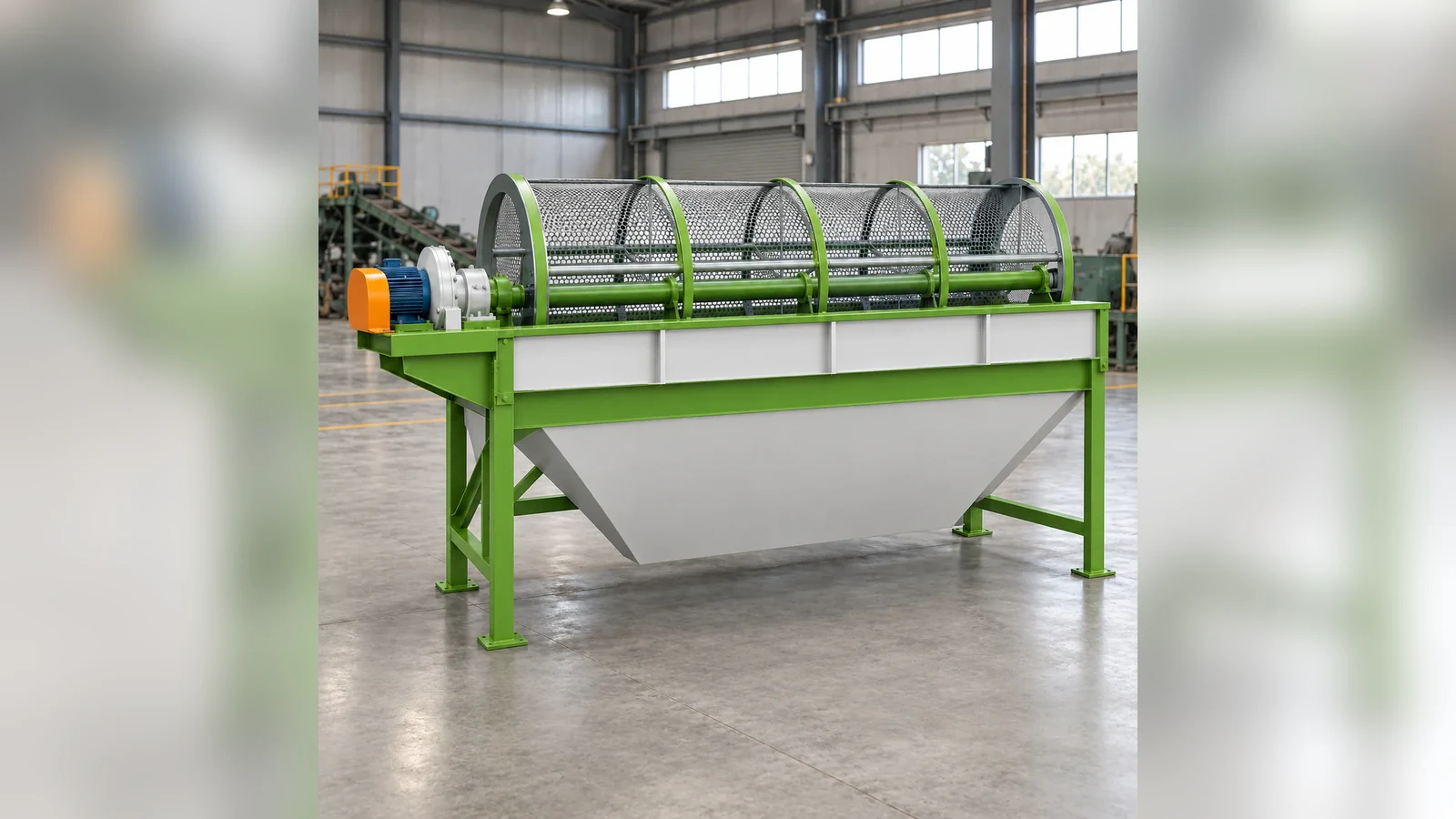
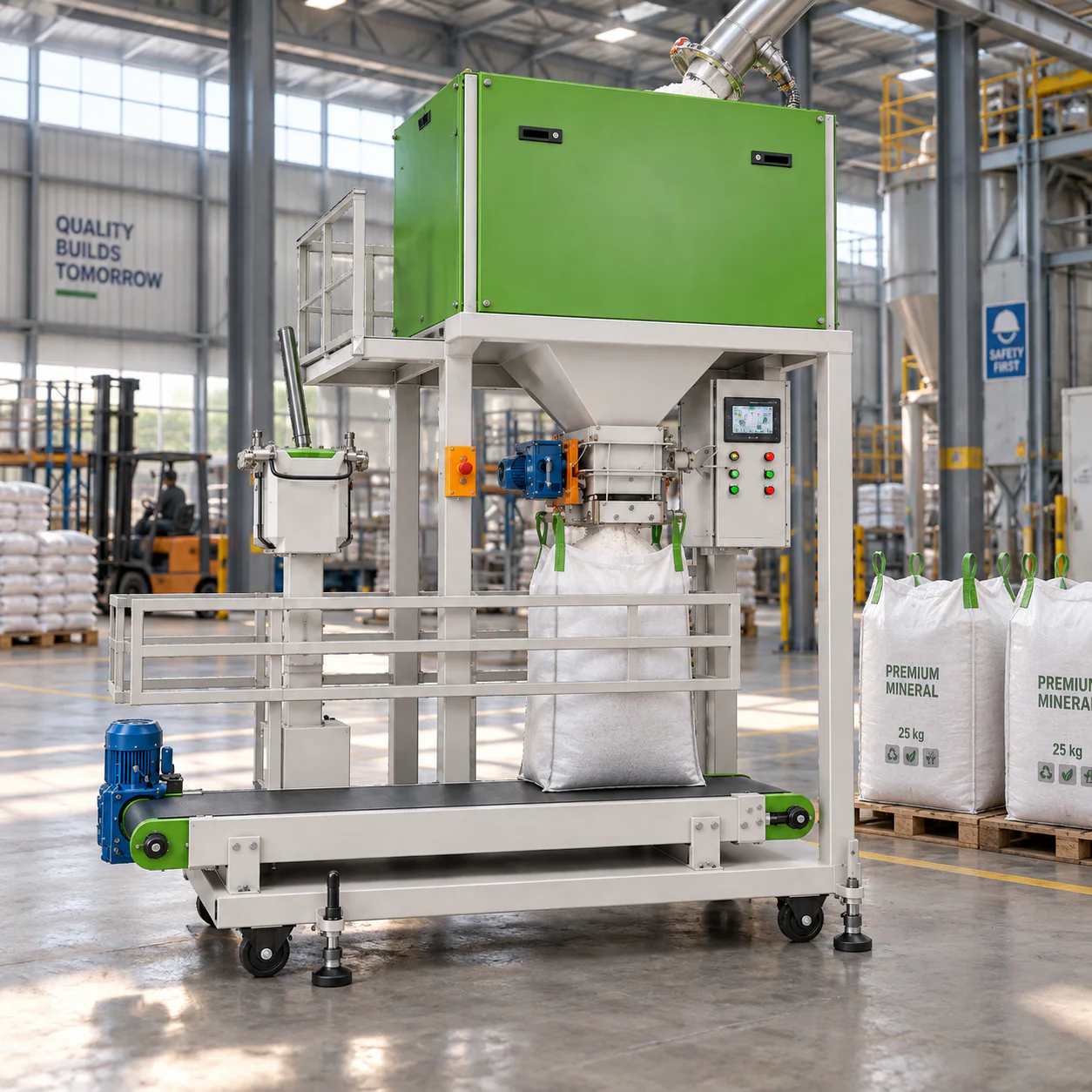
| 4. Screening & packing | Classify to the declared range | Rotary drum screener, packing machine | Oversize returns to the granulator |
Typical equipment scope for this route. Final selection follows the approved mass balance and site conditions.
Bands describe typical project scale; the actual figure is confirmed by mass balance, not by a nominal model number.
Small or farm-scale line; single granulator, single dryer pass, manual palletising.
Standard export configuration; parallel granulators with shared drying and screening.
Multi-line plant; buffer silos between stages and automated packing.
Basis for the utility sheet. Local voltage, fuel and water quality are confirmed during engineering.
Installed load driven by the granulator and dryer; confirmed against the local voltage before the electrical scope is frozen.
Dryer heat source: diesel, gas, biomass or indirect hot-air generator. Low-temperature duty favours a modulated burner.
Small make-up for granulation; quality checked for the inoculant, not only for the process.
For cylinders, bagging clamps and dust collectors.
Bag filters at batching, granulation and screening; organic dust is both a nuisance and a loss.
Foundations sized for loaded silos and dynamic loads from the dryer and granulator.
Controls that decide whether the line holds its specification in daily operation.
A dosing error of a few percent changes the declared CFU count at packing.
Continuous record at the dryer discharge is the evidence that the culture survived.
Tested after cooling, not straight off the press.
Inoculant lot, compost batch and packing date tied to the pallet.
Straight answers on scope, limits and what we need to quote.
We can size and control the line to protect the count; the declared figure depends on the strain, the carrier and the storage conditions, and should be agreed with your microbiologist before the process is frozen.
It follows the strain tolerance, not a catalogue number. The control variable is material temperature at the dryer discharge.
After composting and cooling, in the mixer, immediately before granulation. Adding it earlier wastes it.
Only if the product requires a protective or slow-release shell. It adds a heat-free stage and is compatible with a bio line.
Usually yes: add dosing, replace the dryer control with a modulating system, and re-qualify the CFU test. The granulator itself rarely changes.
Compost type and maturity, inoculant form and target CFU, granule size, hourly output and site utilities.
Send material, capacity and site constraints; the engineering team replies with a route recommendation.
 +8615981847286WhatsApp
 [email protected]Email
 Please enter the contentSearch
 Click to return to the topTOP