Urea prills
Purchased 2–4 mm prills; size and moisture are checked before coating.
 Get a Proposal
Purchased urea prills are coated with molten sulfur in a rotary drum, then wax-sealed, cooled, hardened and screened. The result is a slow-release nitrogen granule that also delivers sulfur — no urea synthesis takes place on site.
Start with material condition, product specification and operating plan before selecting equipment.
Published ranges support planning; final specifications follow the material, site and local-standard review.
Purchased urea prills are the only solid feed. Sulfur and paraffin wax are metered as melts at the coating drum, so no urea synthesis or granulation takes place on site.
Purchased 2–4 mm prills; size and moisture are checked before coating.
Measure free water and seasonal variation.
Confirm size, lumps, fibers and abrasiveness.
Identify stones, metal, plastics or insolubles.
Review caking, odor, flow and biological stability.
The line is configured backward from the required product and packaging standard.
Granule size, strength, moisture, nutrient formula and packaging
Representative finished-product sample.Every stage is sized against its inlet, outlet and recycle duty.
The final throughput is limited by the complete mass balance—including moisture change, recycle, storage buffers and packaging—not one machine’s nominal number.
Open each machine page for its role and selection boundary.
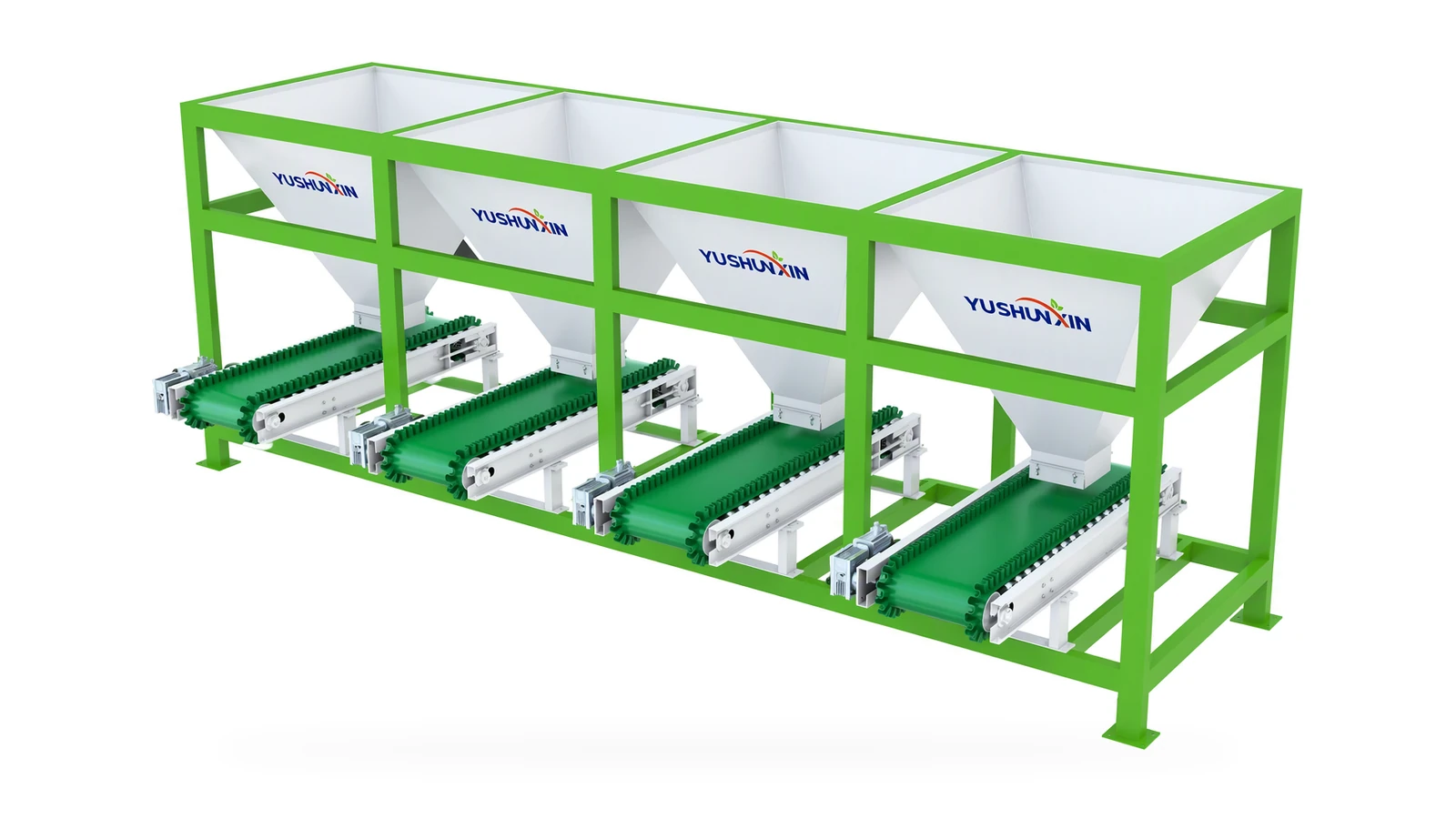
Weighs purchased prills and coating materials to the recipe before preheating.
View details →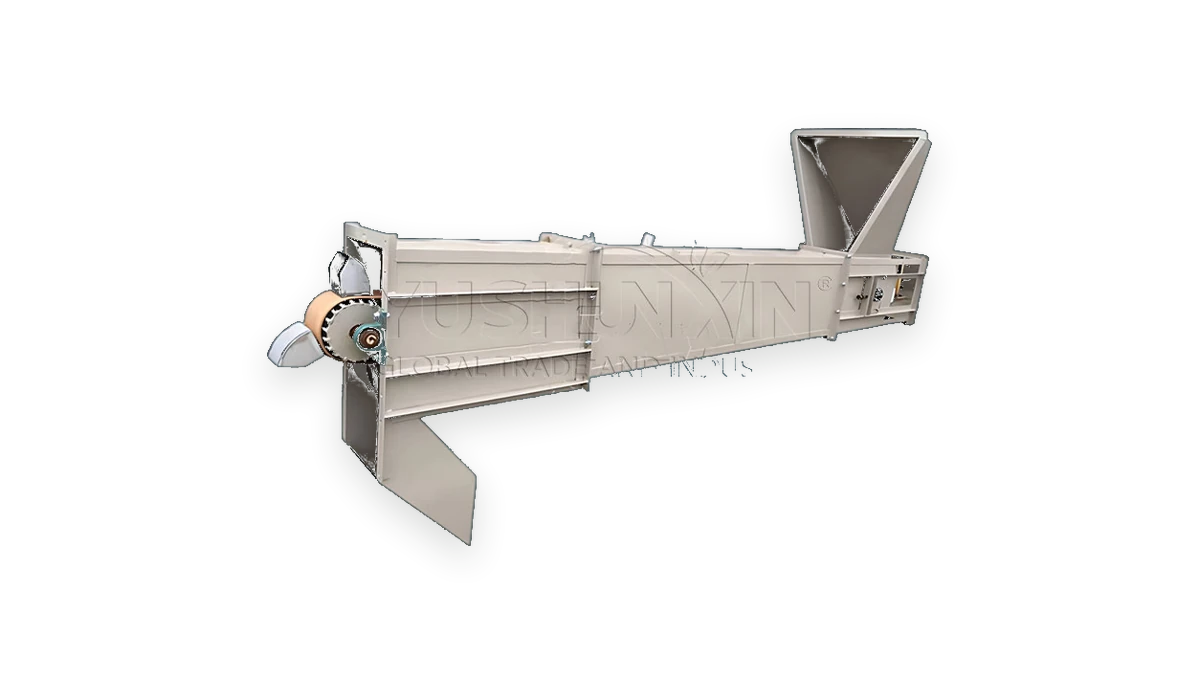
Lifts prills between screening, coating and bagging without breaking the coating.
View details →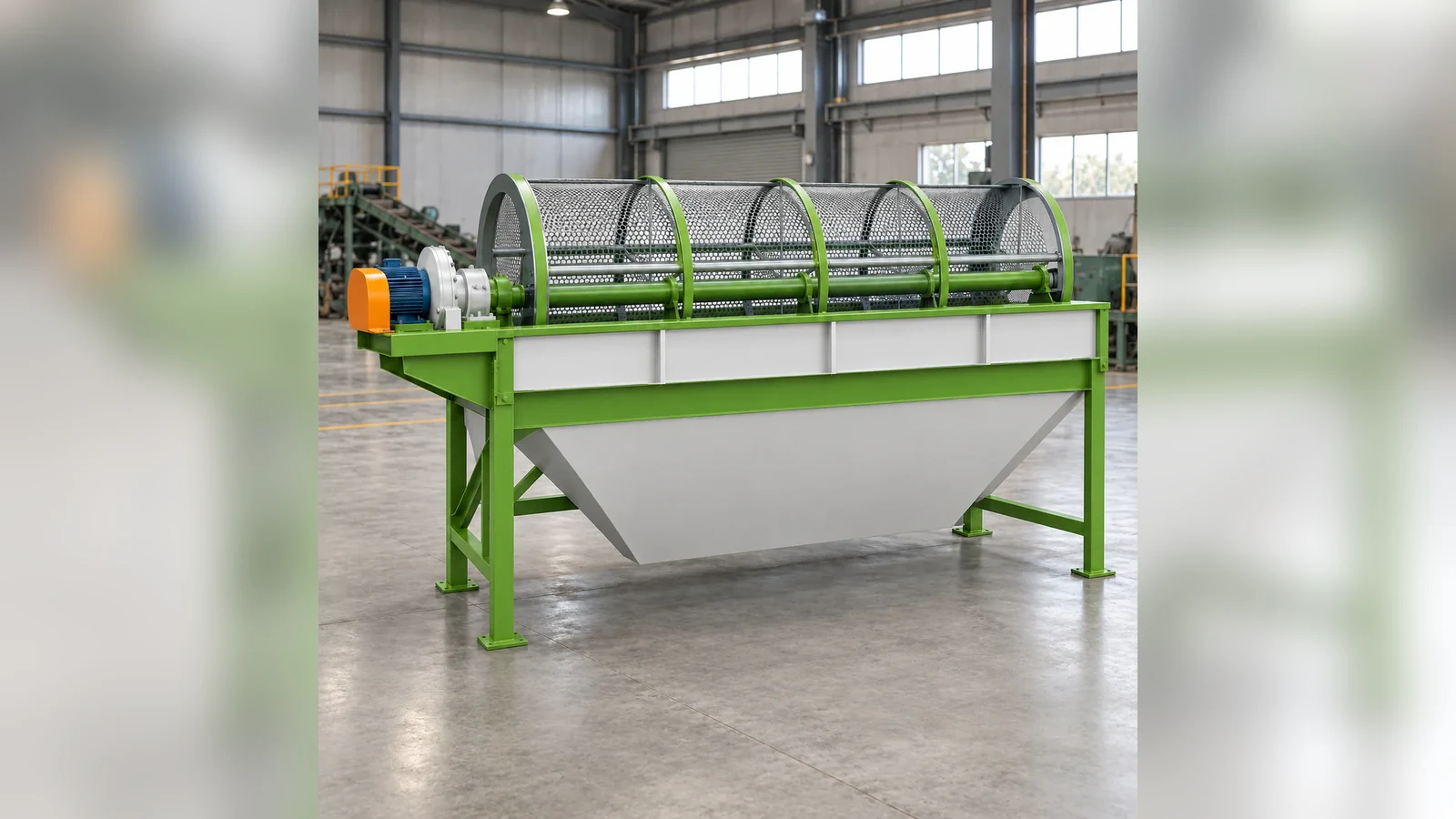
Removes oversize and fines so the coating bed stays in the target prill band.
View details →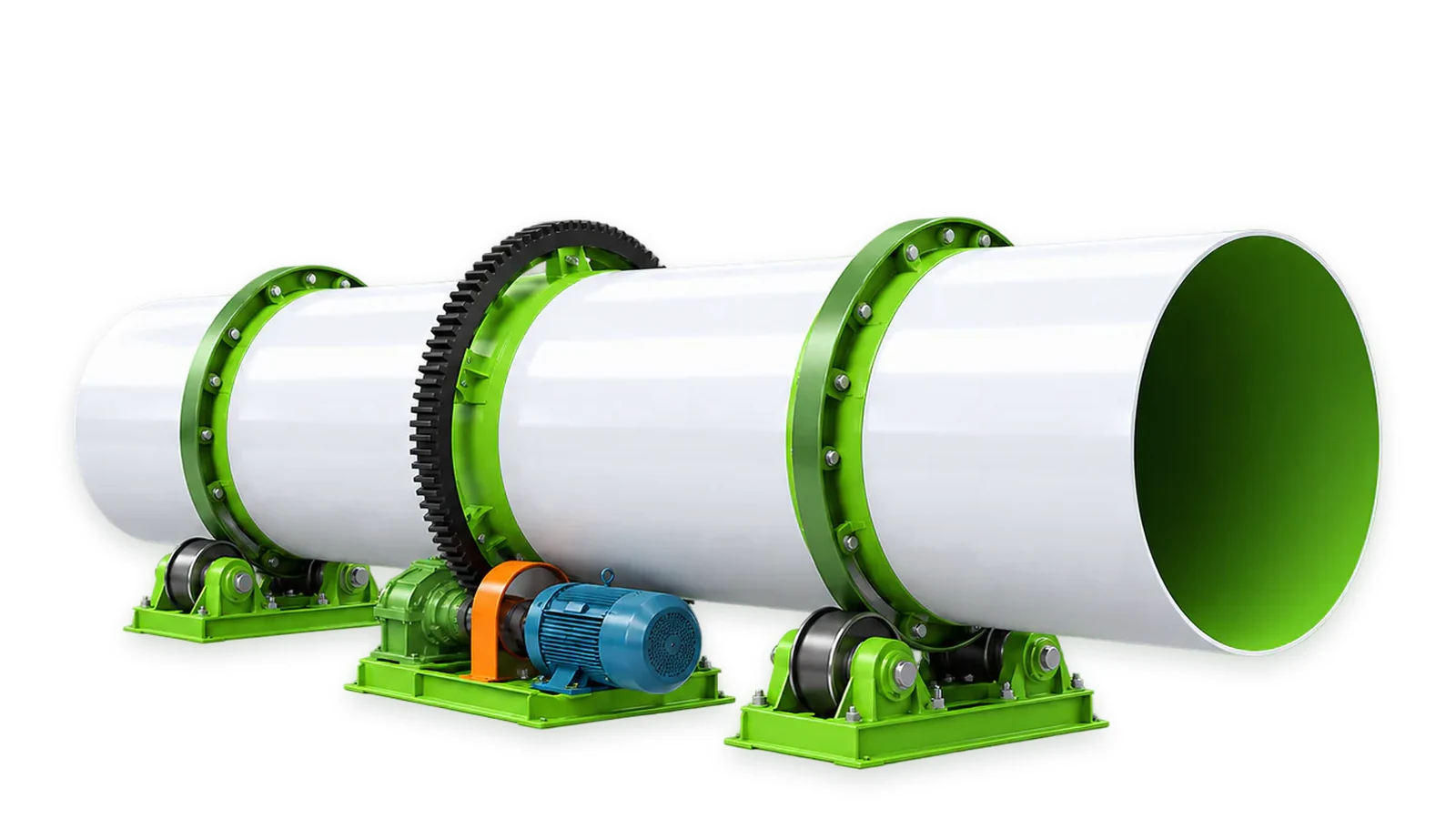
Solidifies the sulfur layer and brings prills to a safe bagging temperature.
View details →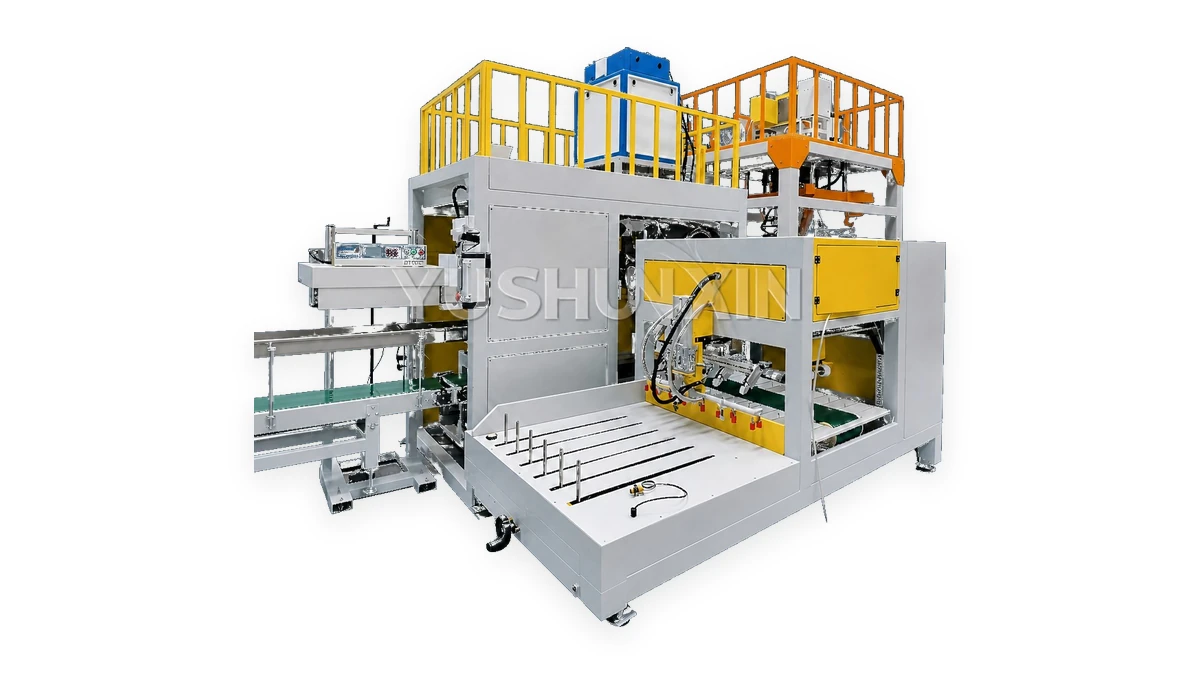
Completes accurate filling, bag handling and end-of-line preparation for dispatch.
View details →
Fills bulk big bags at a stable net weight for dispatch.
View details →Use these as planning bands only. Final capacity follows the verified mass balance and operating schedule.

Compact equipment and more manual-assisted handling where the mass balance supports it.

Coordinated commercial line with balanced buffers, utilities and controls.
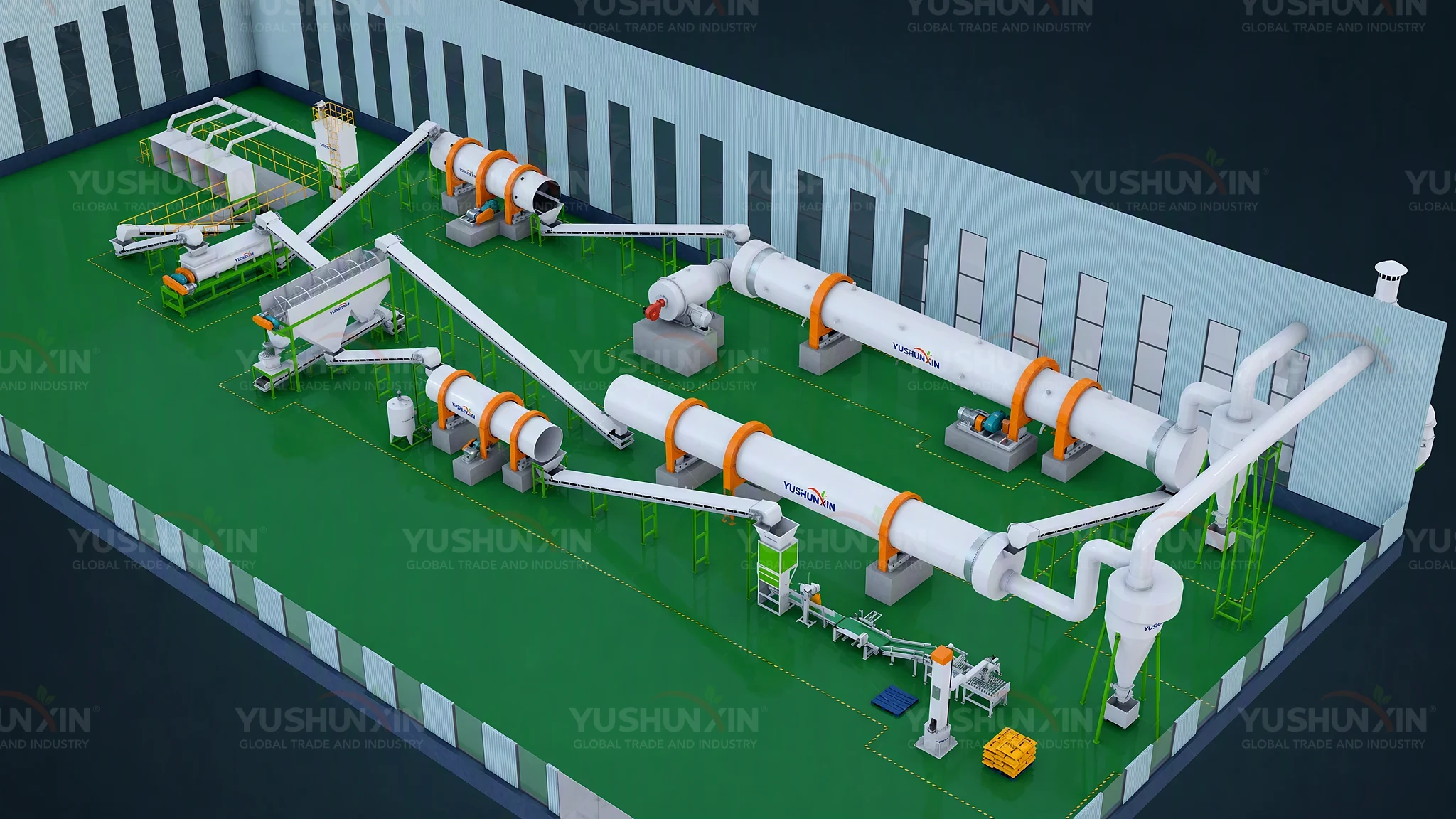
Higher-duty configuration requiring confirmed recycle, thermal and logistics capacity.
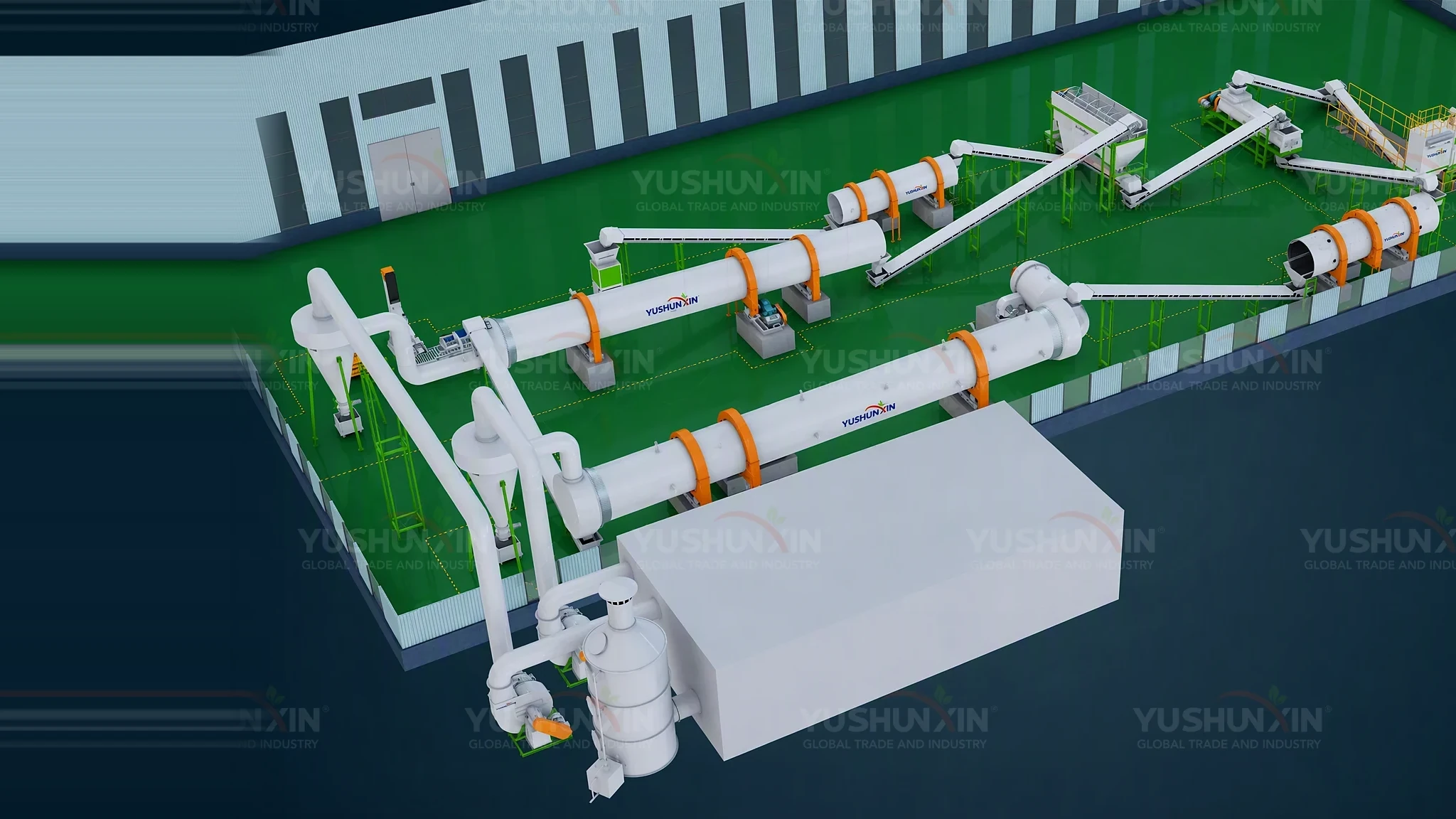
The reference plan is a 10 t/h line on a 70 m × 20 m site. Final 2D and 3D drawings follow the actual plot and the approved equipment schedule.
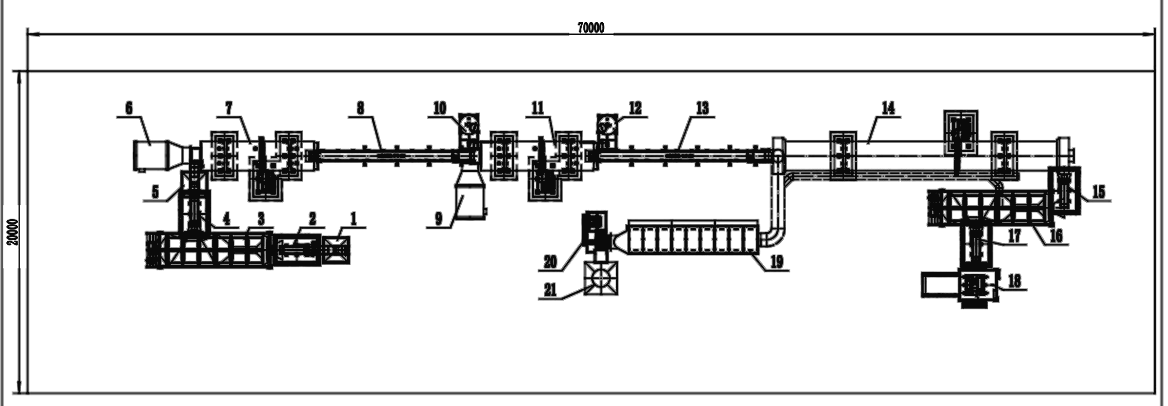
Dimensions, elevations, aisles, foundations and utilities are issued only after site engineering.
Illustrative arrangement view. Final 2D and 3D drawings are issued after site engineering.
Adapt the arrangement to the land size and building.
Keep the production route direct and efficient.
Reserve operation, lifting and maintenance access.
Coordinate structure, fire, drainage and discharge.
Utilities are calculated from the final equipment schedule and local conditions.
Voltage, frequency, connected load and transformer margin
Process, cleaning and treatment requirements where applicable
Fuel-fired hot-air furnace for the preheating drum, plus insulated melt tanks for sulfur and wax
Packing, valves and instruments where required
Clear height, foundations, access, ventilation and drainage
Shift staffing based on automation and local handling
Control points are selected from the real material risks and product standard.
Verify formula inputs, calibration and recipe permissions.
Bag filter, ID fan and stack cover screening, coating and bagging transfer points.
Define representative sampling and acceptance criteria.
Plan clean-out and sequence changes between products.
Coordinate starts, stops, levels and fault protection.
Retain batch and operating data when required.
Compare proposals only after aligning process boundary, local scope and acceptance criteria.
The final equipment list remains project-specific at every automation level.
Cases are linked only when their material and core process are relevant.
A relevant case requires the same material, product, capacity and core process. We do not substitute an unrelated project.
Request a reference reviewThe route is built around the required material transformation and the next stage’s inlet condition.
The coating bed needs a narrow prill band and a dry surface. The critical review covers size split, surface moisture and preheat temperature.
The sulfur layer is the release barrier. The critical review covers melt temperature, spray rate and drum fill.
The wax film closes the pores in the sulfur layer before it hardens. The critical review covers wax dose, drum retention time and the cooling curve.
Oversize and fines are removed before bagging. The critical review covers cut points, net weight and dust.
These answers define the next engineering step without inventing fixed specifications.
Only after moisture, particle size, impurities and pretreatment readiness are confirmed.
No. The final route is simplified or expanded according to the material and product specification.
Capacity follows the mass balance, operating hours, recycle load and the slowest connected stage.
Yes, after checking condition, duty, interfaces, controls, elevation and compatibility with the new mass balance.
Yes, when space, conveyors, utilities, controls and structural loads reserve the correct interfaces.
Send local power, fuel, water, compressed-air and environmental conditions for engineering review.
Staffing depends on automation, shifts, storage, loading and the local handling method.
The project scope can include layout coordination, installation guidance, commissioning and operator training.
Send raw-material data, target product, capacity, site, utilities, packaging and preferred automation.
Required project fields are standardized for engineering review and lead routing.
 +8615981847286WhatsApp
 [email protected]Email
 Please enter the contentSearch
 Click to return to the topTOP