Digestate / organic sludge
Wet organic solids requiring separation and stabilization
Converts variable organic feedstock into a more stable, manageable fertilizer product through a coordinated treatment process.
Start with material condition, product specification and operating plan before selecting equipment.
Published ranges support planning; final specifications follow the material, site and local-standard review.
Each material card combines the project requirement with a realistic visual reference.
Wet organic solids requiring separation and stabilization
Chopped stalks, husks and agricultural residues
Carbon-rich soil-conditioning material
Measure free water and seasonal variation.
Confirm size, lumps, fibers and abrasiveness.
Identify stones, metal, plastics or insolubles.
Review caking, odor, flow and biological stability.
The line is configured backward from the required product and packaging standard.
Granule size, strength, moisture, nutrient formula and packaging
Representative material reference. Replace with an approved finished-product photograph.Every stage is sized against its inlet, outlet and recycle duty.
Protect the next process stage
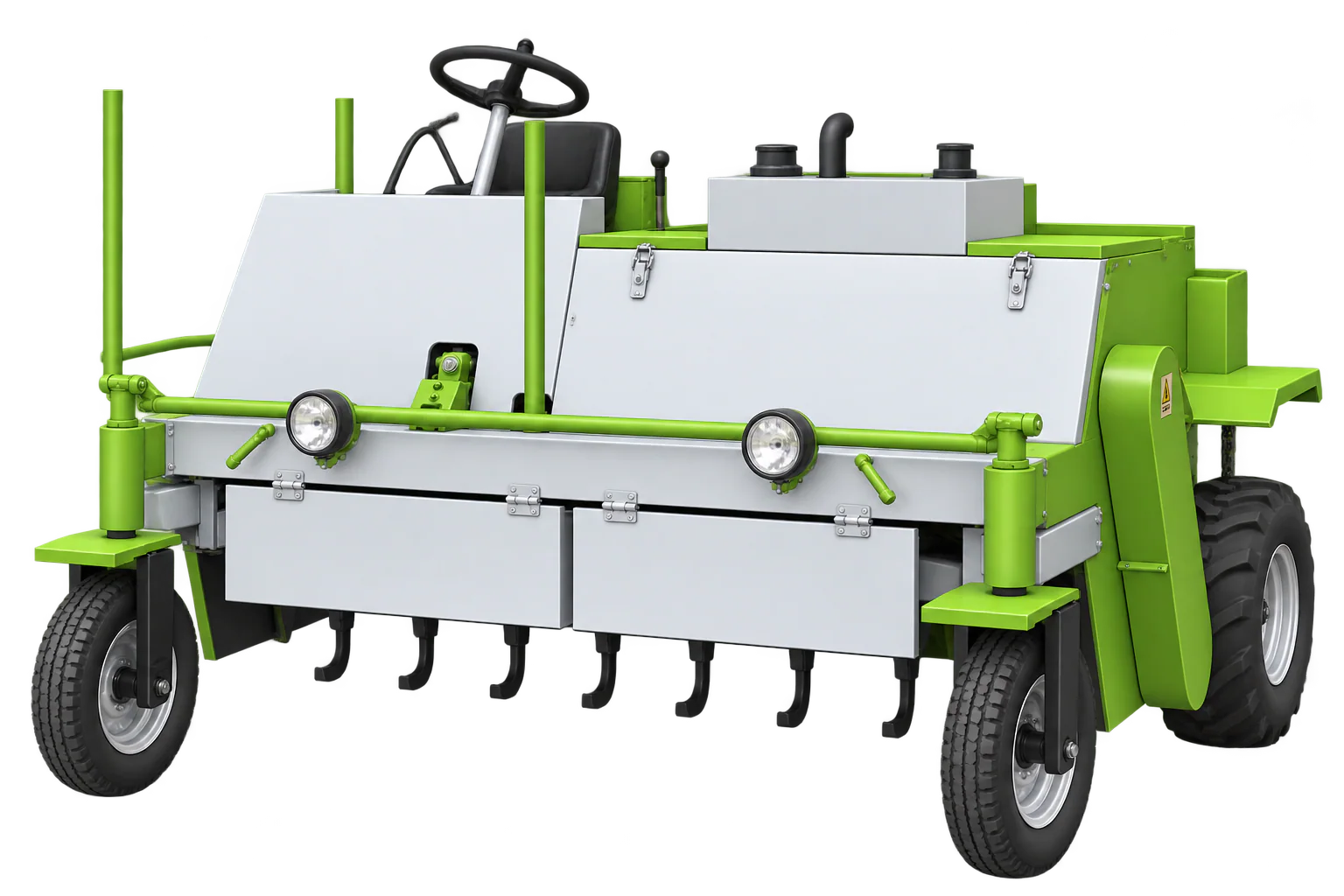
Stabilize biodegradable organic matter

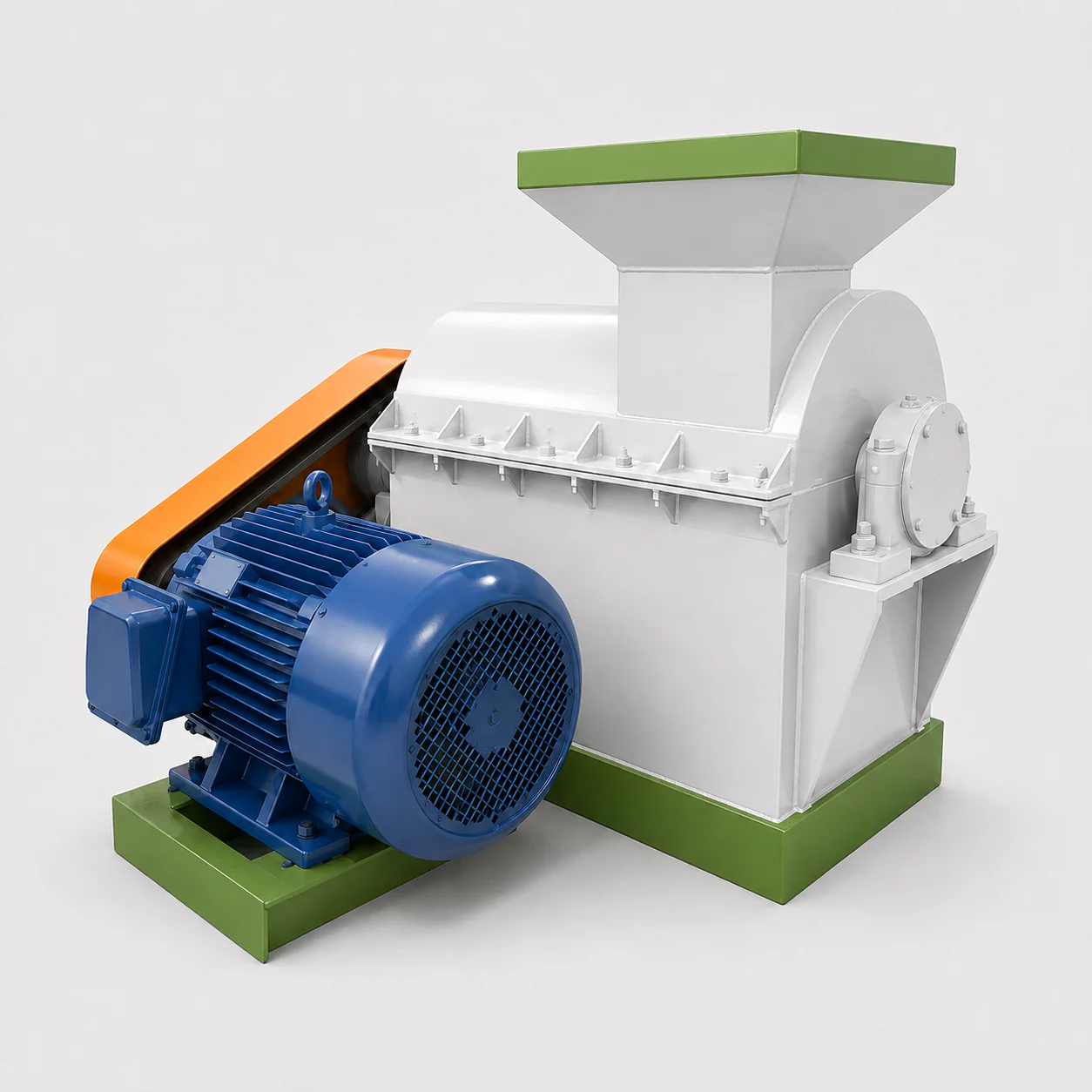
Control particle size and break agglomerates
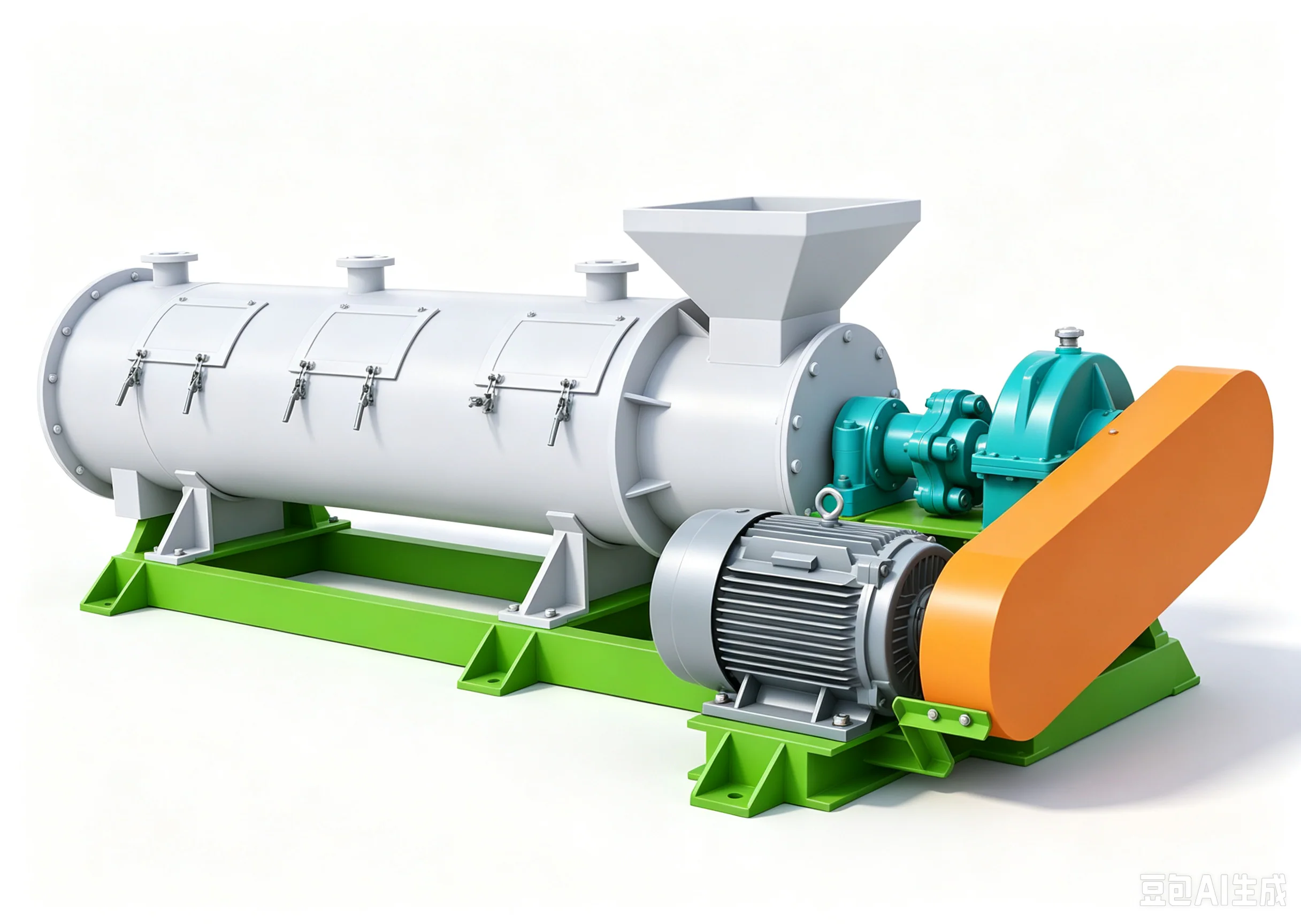
Form the required fertilizer granule
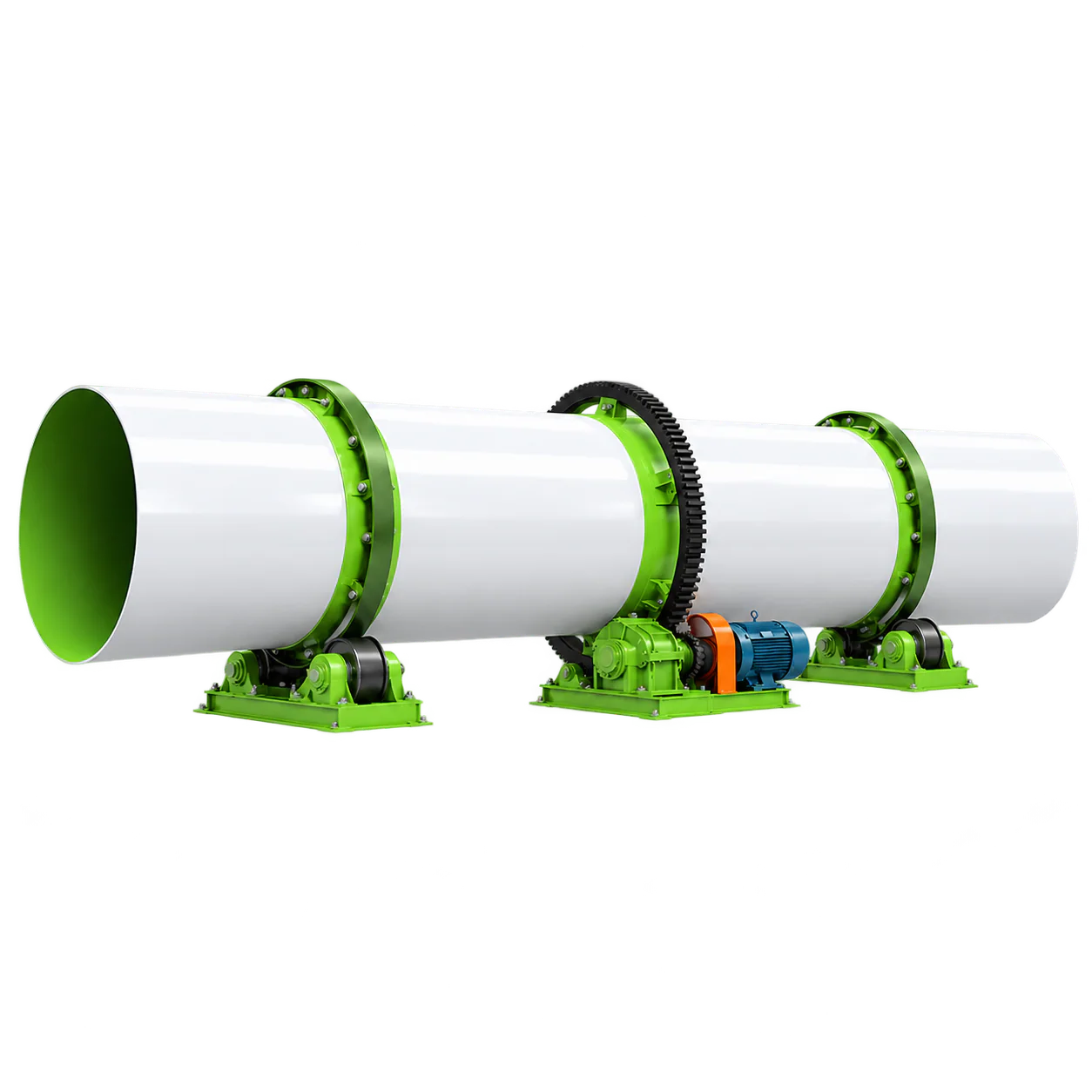
Bring product moisture and temperature into the storage range

Weigh and prepare approved product for dispatch
The final throughput is limited by the complete mass balance—including moisture change, recycle, storage buffers and packaging—not one machine’s nominal number.
Open each machine page for its role and selection boundary.
Controls aeration, mixing and heat release during the biological stabilization stage.
View details →Reduces feed material to a controlled particle size for stable downstream processing.
View details →Meters, buffers or homogenizes materials to maintain stable recipe control and line flow.
View details →Forms conditioned fertilizer feed into market-ready granules with a selected shaping mechanism.
View details →Provides thermal conditioning, size classification or surface treatment after granulation.
View details →Provides thermal conditioning, size classification or surface treatment after granulation.
View details →
Provides thermal conditioning, size classification or surface treatment after granulation.
View details →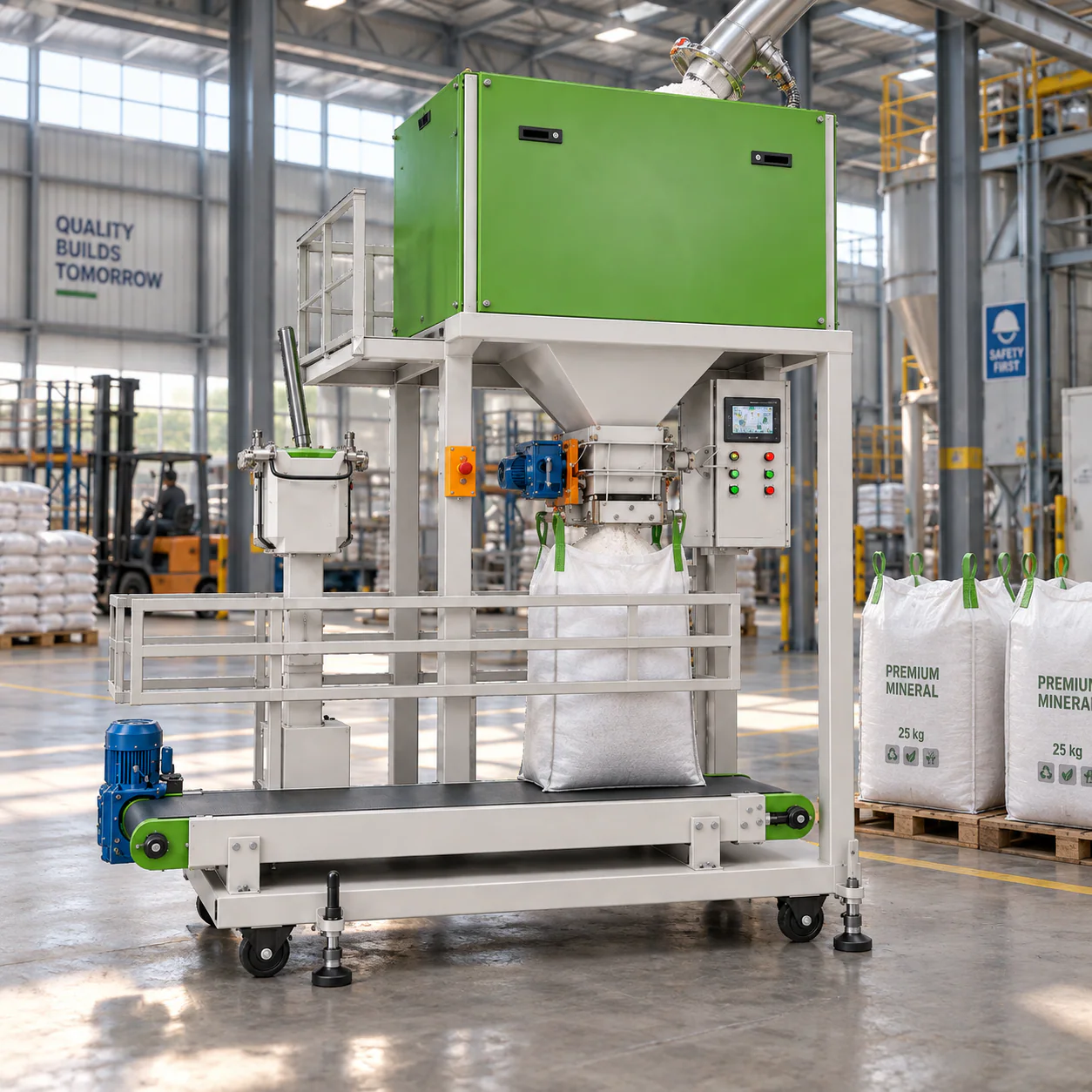
Completes accurate filling, bag handling and end-of-line preparation for dispatch.
View details →Use these as planning bands only. Final capacity follows the verified mass balance and operating schedule.
Compact equipment and more manual-assisted handling where the mass balance supports it.
Coordinated commercial line with balanced buffers, utilities and controls.
Higher-duty configuration requiring confirmed recycle, thermal and logistics capacity.
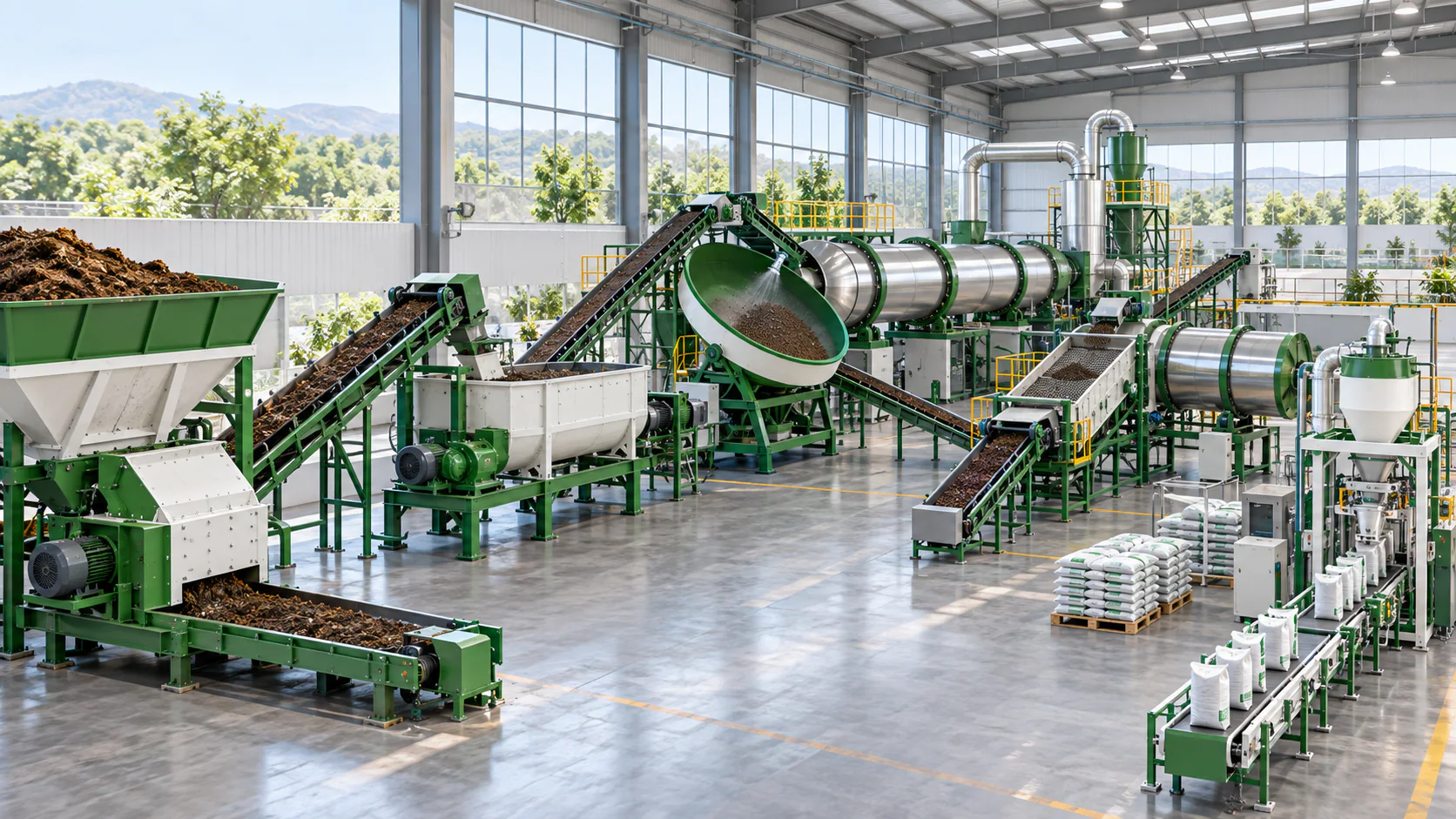
Concept arrangements show the route; final 2D and 3D drawings require the actual site and approved equipment schedule.
Dimensions, elevations, aisles, foundations and utilities are issued only after site engineering.
Illustrative production-line view. A project-specific 3D model has not been supplied.
Adapt the arrangement to the land size and building.
Keep the production route direct and efficient.
Reserve operation, lifting and maintenance access.
Coordinate structure, fire, drainage and discharge.
Utilities are calculated from the final equipment schedule and local conditions.
Voltage, frequency, connected load and transformer margin
Process, cleaning and treatment requirements where applicable
Fuel and hot-air system when thermal conditioning is used
Packing, valves and instruments where required
Clear height, foundations, access, ventilation and drainage
Shift staffing based on automation and local handling
Control points are selected from the real material risks and product standard.
Capture and treat emissions from wet-material and fermentation zones.
Measure moisture before forming, drying and storage.
Control crushing, screening and packing points.
Confirm maturity before storage or granulation.
Return usable off-size material without overloading the line.
Verify size, moisture and agreed product indicators.
Compare proposals only after aligning process boundary, local scope and acceptance criteria.
The final equipment list remains project-specific at every automation level.
Cases are linked only when their material and core process are relevant.
A disc-granulation route for fermented chicken manure, configured around controlled feeding, mixing, granulation and finishing.
Open project record →A stirring-granulation organic fertilizer line developed around local cow dung feedstock and the required finished granule.
Open project record →A compact stirring-granulation configuration without a cooling stage, matched to the project’s process boundary.
Open project record →The route is built around the required material transformation and the next stage’s inlet condition.
Protect the next process stage. The critical review covers flow stability, condition and interface.
Stabilize biodegradable organic matter. The critical review covers temperature, time, moisture and aeration.
Control particle size and break agglomerates. The critical review covers feed rate, particle size, wear and foreign objects.
Form the required fertilizer granule. The critical review covers feed rate, moisture or pressure, size and recycle.
Bring product moisture and temperature into the storage range. The critical review covers airflow, temperature, residence time and dust.
Weigh and prepare approved product for dispatch. The critical review covers weight accuracy, cleanliness and traceability.
These answers define the next engineering step without inventing fixed specifications.
Only after moisture, particle size, impurities and pretreatment readiness are confirmed.
No. The final route is simplified or expanded according to the material and product specification.
Capacity follows the mass balance, operating hours, recycle load and the slowest connected stage.
Yes, after checking condition, duty, interfaces, controls, elevation and compatibility with the new mass balance.
Yes, when space, conveyors, utilities, controls and structural loads reserve the correct interfaces.
Send local power, fuel, water, compressed-air and environmental conditions for engineering review.
Staffing depends on automation, shifts, storage, loading and the local handling method.
The project scope can include layout coordination, installation guidance, commissioning and operator training.
Send raw-material data, target product, capacity, site, utilities, packaging and preferred automation.
Required project fields are standardized for engineering review and lead routing.