Integrated equipment
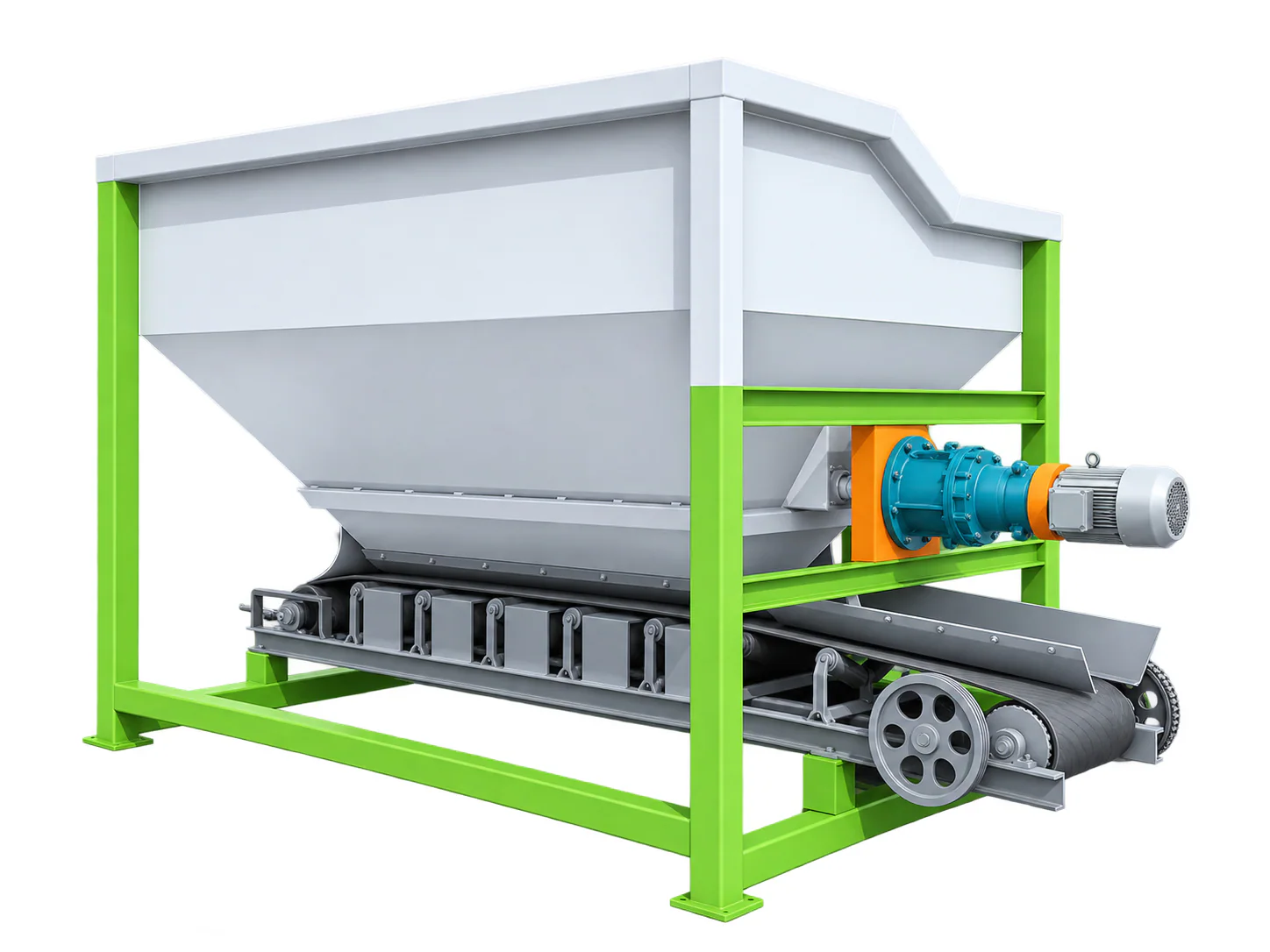
Automatic Feeder
Meters carbon black powder into the line at a stable rate and isolates the first dust release point.
 Get a Proposal
Turns dusty carbon black powder into dense, low-dust granules through binder mixing and double roller compaction, with closed-loop screening and packing sized to your target mesh.
Carbon black is compacted, not pelletised in a drum: the whole route is built around roll pressure, binder ratio and dust control.

Roll pressure, binder ratio and screen cut are set as one system; changing one of them changes the whole mass balance.
Fine powders behave differently from fertilizer granules. These are the inputs we ask you to characterise before sizing the line.
N220, N330, N550 or similar grades; bulk density, oil absorption and sieve residue confirmed before design.
Material from pyrolysis or tyre recycling, screened and de-ironed before batching; ash content verified.
Water, lignin, molasses or starch-based binder, selected against target granule strength and end use.
Used for wet mixing, granule formation and dust suppression; hardness and suspended solids checked.
Dispersants, humectants or conductivity additives where the application requires them.
Moisture, particle size, lump content and abrasiveness are measured per batch, not assumed from the grade name.
The line is configured backward from the granule specification and the packing format your customers accept.
Granule size, crush strength, dust index, moisture and packing density
Representative material reference. Replace with an approved finished-product photograph.
Every stage is sized against its inlet, outlet and recycle duty; oversize granules always return to the press, never to the bin.
Meter powder under negative pressure
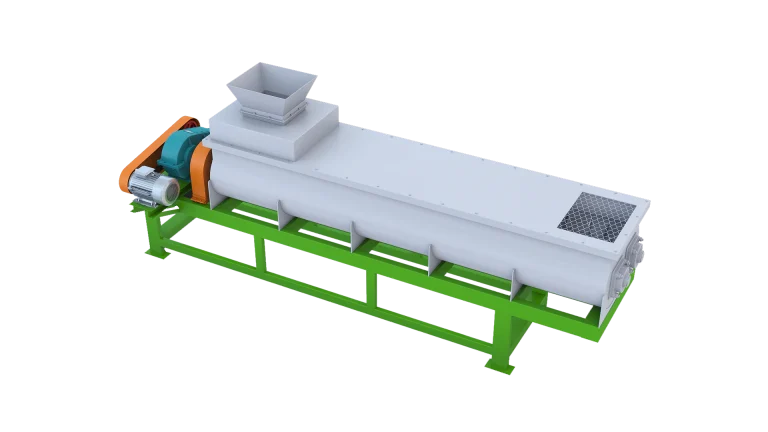
Knead to a compactable mass

Press the mass into a dense sheet
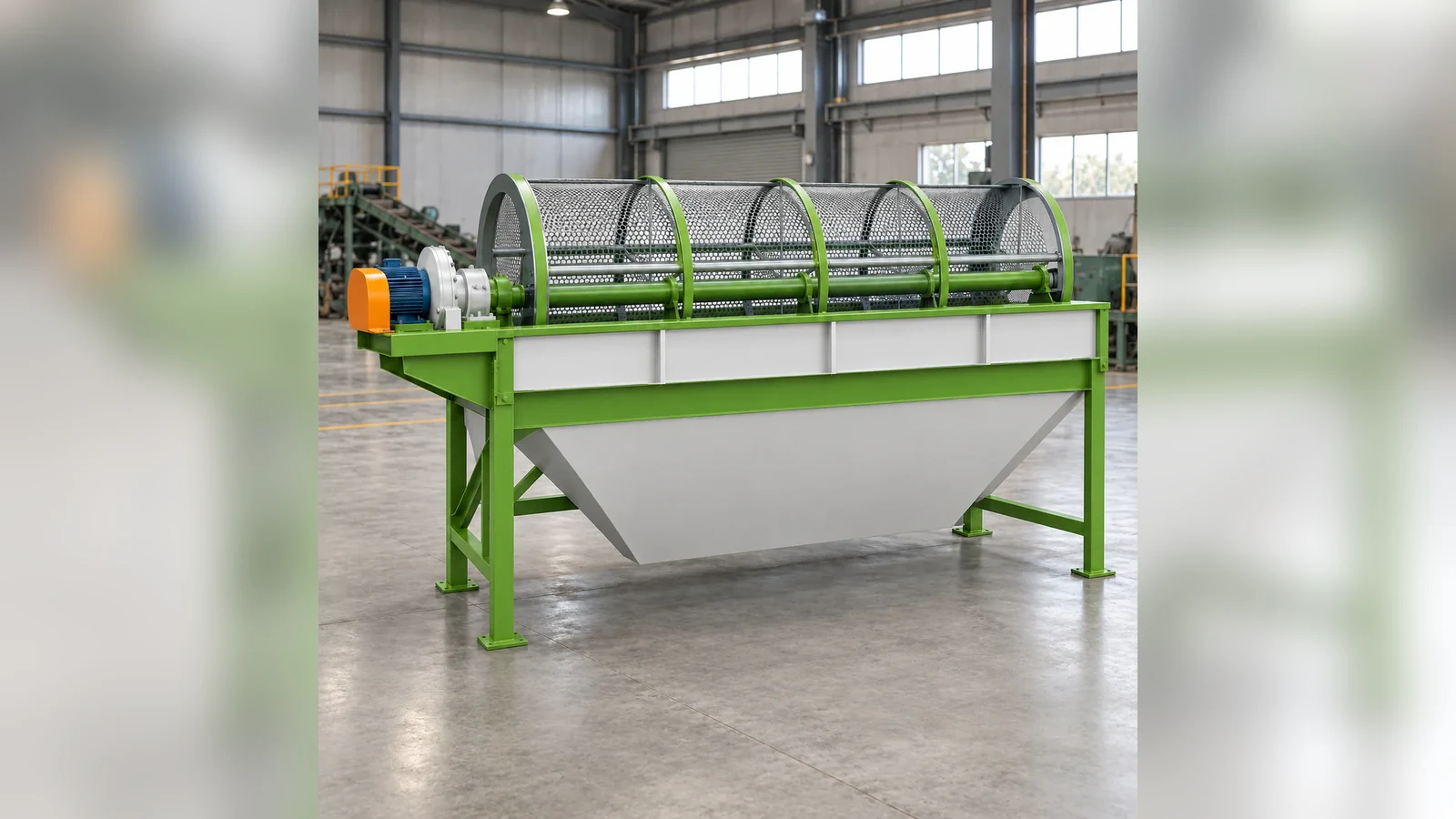
Cut to mesh size and pack dust-free
Final throughput is limited by the complete mass balance — binder and water addition, oversize recycle, drying load and packing rate — not by the nominal capacity of a single press.
Open each machine page for its role and selection boundary.
Meters carbon black powder into the line at a stable rate and isolates the first dust release point.
Blends powder with binder and water to a homogeneous, compactable mass; the paddles handle dense carbon mixes.
Compacts the mixed mass between two counter-rotating rolls; roll pressure and gap set granule density and strength.
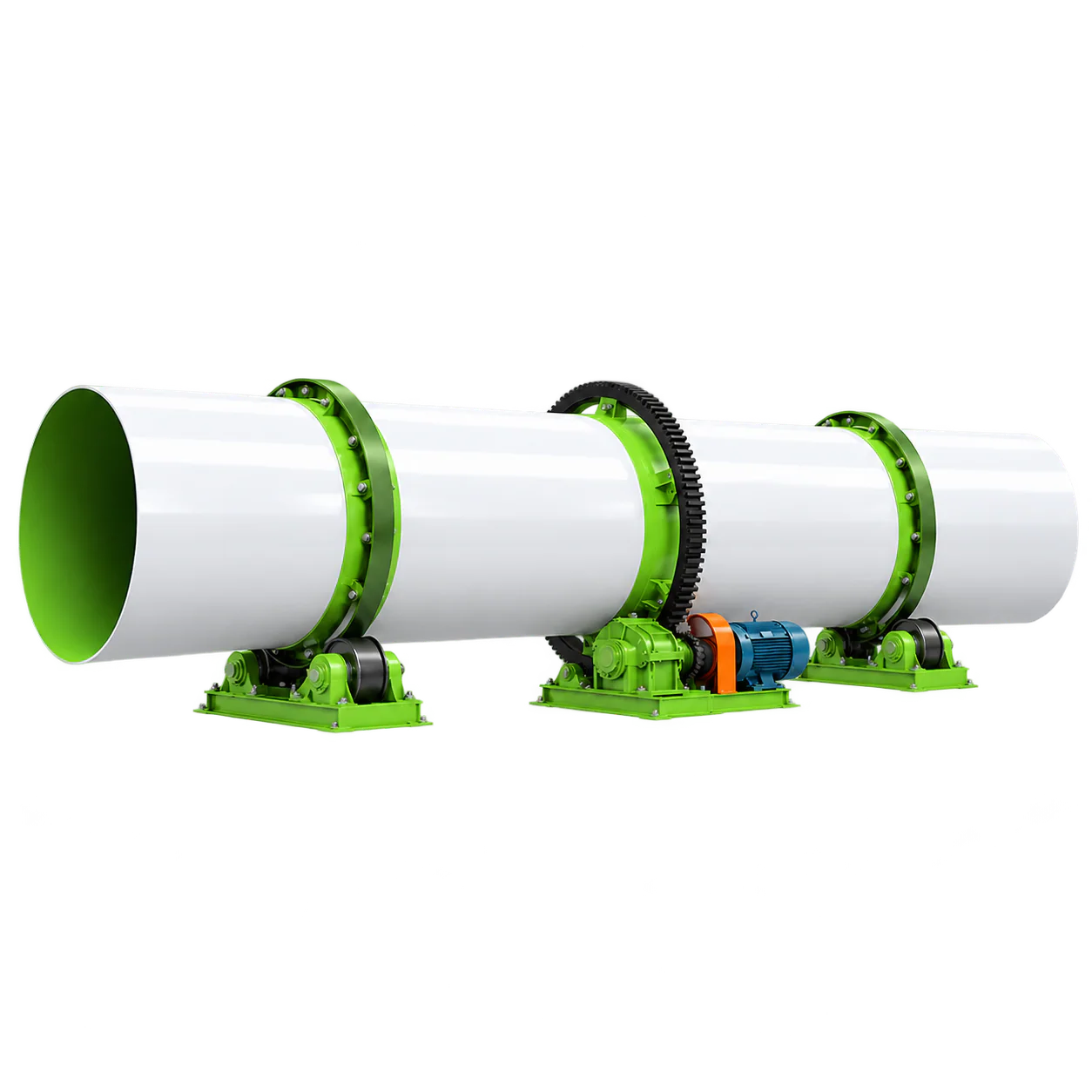
Removes the water added with the binder when the wet route is used; thermal duty is calculated from the moisture balance.
Classifies granules to the target mesh and separates oversize for recycle back to the press.
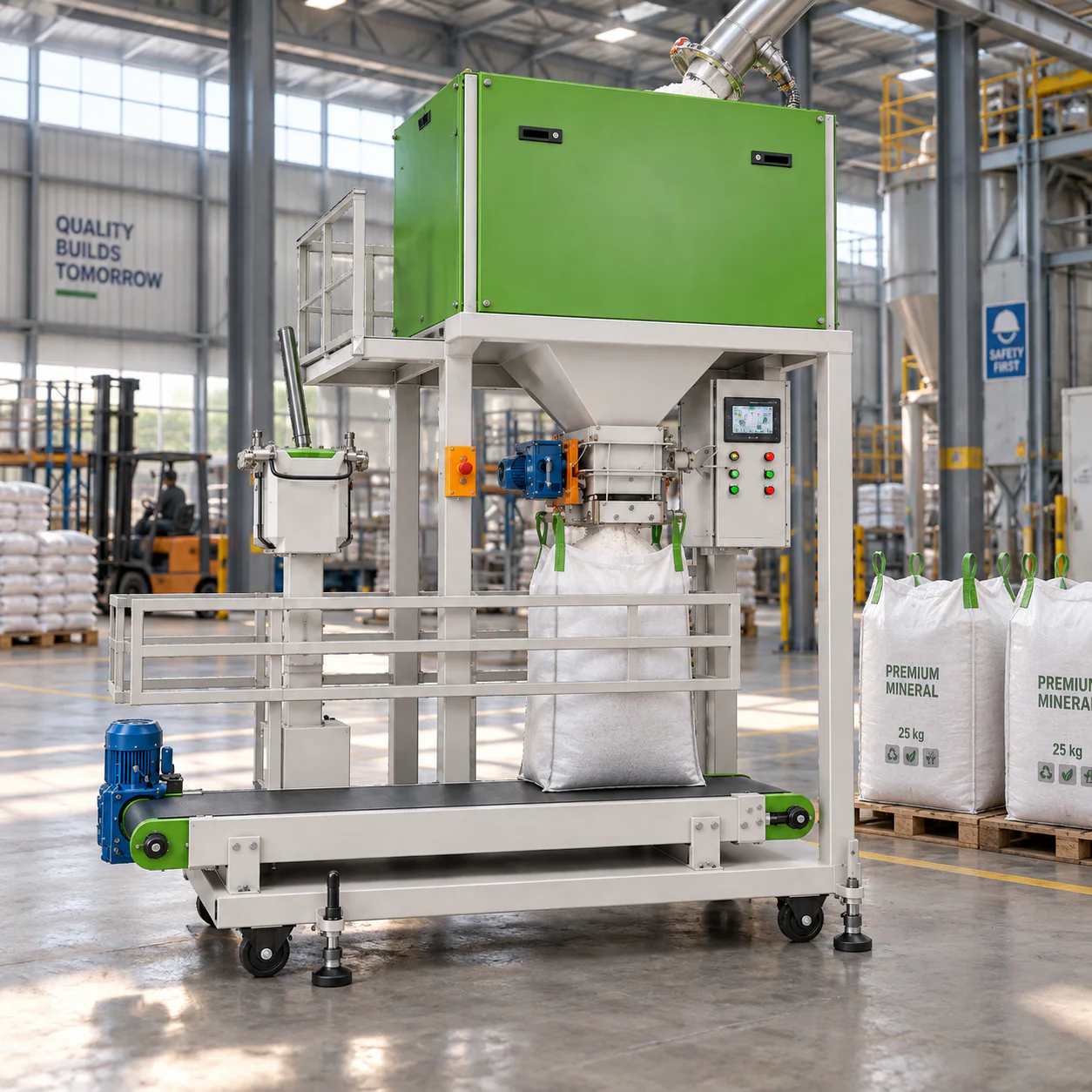
Weighs and fills 25 kg or big bags with dust extraction at the filling spout.
Use these as planning bands only. Final capacity follows the verified mass balance and operating schedule.
Planning band 1
Single press, manual bag feeding and a compact screening loop.
Planning band 2
Coordinated line with buffer silos, closed conveying and automatic packing.
Planning band 3
Parallel press trains or larger rolls with central dust collection and silo-based logistics.
Concept arrangements show the route; final 2D and 3D drawings require the actual site and approved equipment schedule.
Material flow →
Dimensions, elevations, aisles, foundations and utilities are issued only after site engineering.
Illustrative production-line view. A project-specific 3D model has not been supplied.
Keep the powder reception bay under negative pressure and away from packing.
Route oversize material back to the press without crossing the finished-product line.
Leave roll-change space and lifting points at the press frame.
Carbon black dust is combustible; electrical classification and venting follow the local standard.
Utilities are calculated from the final equipment schedule and local conditions.
Voltage, frequency, connected load and transformer margin
Binder dilution, cleaning and dust suppression
Fuel and hot-air system when the wet route needs drying
Pulse cleaning, valves and instruments
Clear height, foundations, access, ventilation and drainage
Shift staffing based on automation and local handling
Carbon black is a dust and housekeeping problem before it is a granulation problem; controls are designed together.
Ratio recorded per batch and tied to granule strength results.
Pressure and gap trended so density drift is caught early.
Bag filters at feeding, transfer, screening and bag filling.
Size distribution and dust index checked at agreed intervals.
Grade changes sequenced with purge and line cleaning.
Recipe, batch and operating data retained where configured.
These answers define the next engineering step without inventing fixed specifications.
Some grades can be compacted dry, but most routes use a small amount of water or binder to reach the target strength. The ratio is fixed by trial on your material, not by a catalogue value.
Carbon black is a fine, low-density powder. A drum needs rolling and layering to build granules, while a roller press densifies the powder mechanically, which suits carbon black and keeps the product dust-free.
1–5 mm is the usual band, set by the screen cut. The exact distribution is confirmed on your sample during the trial run.
No. It is required when water is added for mixing or dust suppression; a low-moisture compaction route can go straight to screening and packing.
Yes, after screening and de-ironing. Ash and residue levels are checked first because they change both binder demand and granule strength.
Capacity follows the mass balance, operating hours, recycle load and the slowest connected stage.
Carbon black dust is combustible. The layout, electrical classification and venting are defined against the local standard for your site.
Send the carbon black grade and bulk density, binder preference, target granule size, capacity, site, utilities and packing.
Required project fields are standardized for engineering review and lead routing.
 +8615981847286WhatsApp
 [email protected]Email
 Please enter the contentSearch
 Click to return to the topTOP