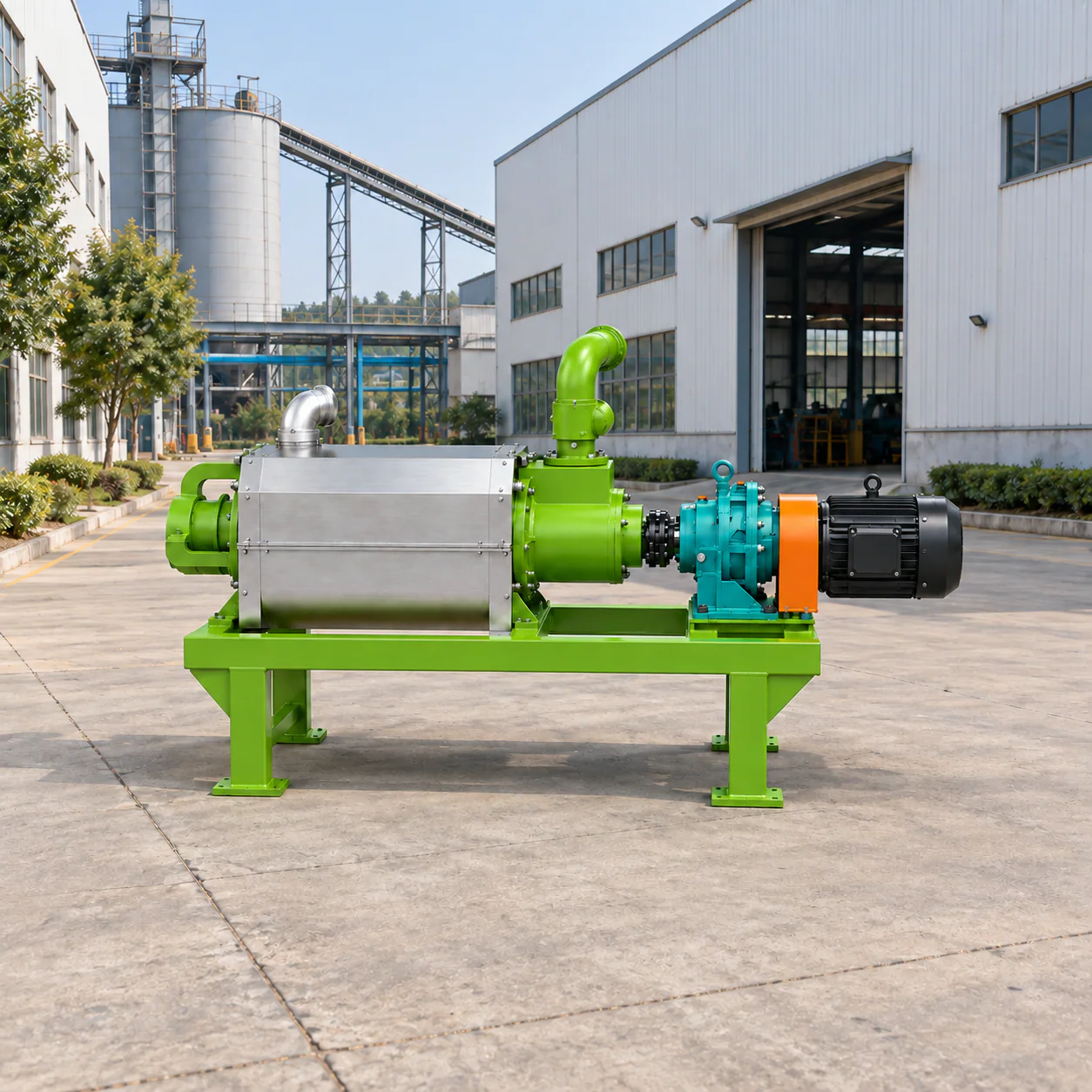
Alternative configuration
Dewatering Machine
Reduces free liquid and prepares wet organic feedstock for composting or further treatment.
View details →Reduces free liquid and prepares wet organic feedstock for composting or further treatment. Selection is based on the material, capacity and connected process—not a catalogue number alone.
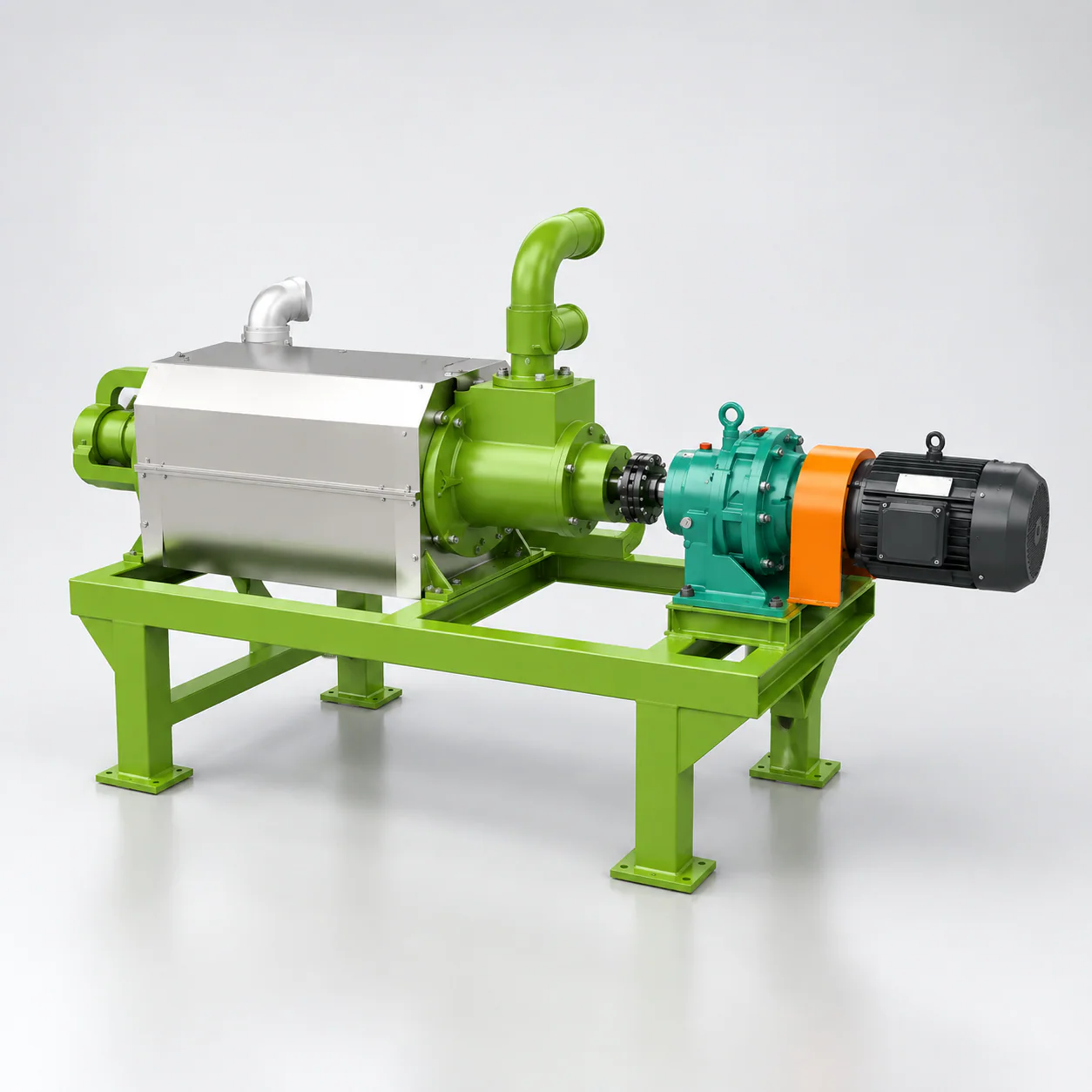
Selected for the real material
Matched upstream and downstream
Access and wear parts considered
Interlocks planned with the line
Installation and commissioning scope
Reduces free liquid and prepares wet organic feedstock for composting or further treatment. The machine is engineered around the actual duty so material residence, transfer and control logic stay compatible with the next stage.
Final model, motor, dimensions and wear configuration should be issued only after feed tests or a documented material review.
The inlet stabilizes the duty.
Operating settings are tuned to the real feed.
Operating settings are tuned to the real feed.
Operating settings are tuned to the real feed.
Operating settings are tuned to the real feed.
The outlet is matched to downstream handling.
The table below is reproduced from the referenced manufacturer page and remains subject to project confirmation.
| Model | Capacity (m³/h) | Power (kW) | Dimensions (mm) |
|---|---|---|---|
| SXTS-180 | 10–15 | 4 | 1850 × 650 × 1150 |
| SXTS-230 | 15–20 | 5.5 | 1850 × 800 × 1150 |
Published values are reference data. Final duty, configuration and acceptance values are confirmed against the material, operating hours, local utilities and complete-line mass balance.
Specified for the operating load, material contact and maintenance plan.
Specified for the operating load, material contact and maintenance plan.
Specified for the operating load, material contact and maintenance plan.
Specified for the operating load, material contact and maintenance plan.
Conveying, buffers, dust control and automation are finalized with the plant layout.
Reduces free liquid and prepares wet organic feedstock for composting or further treatment.
View details →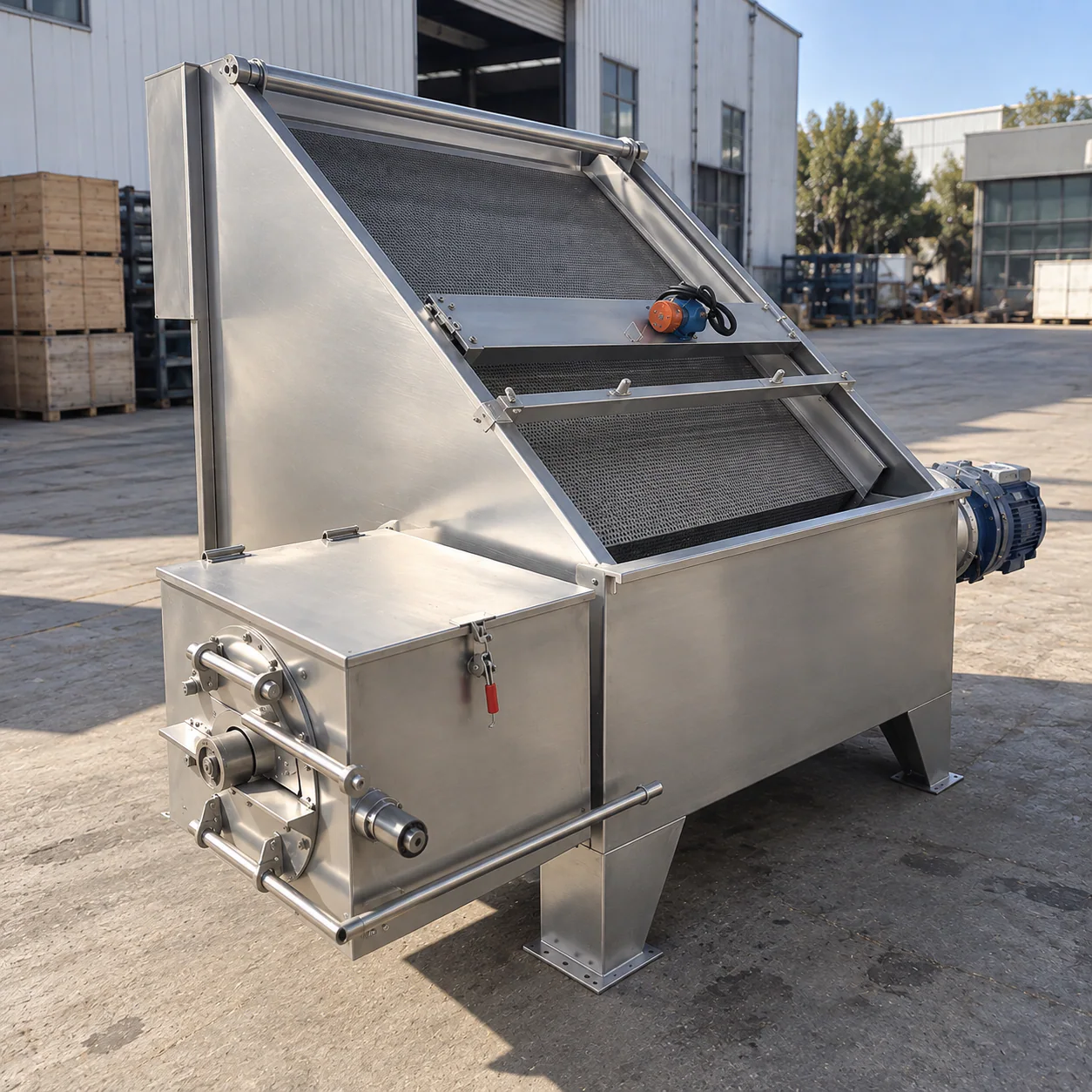
Reduces free liquid and prepares wet organic feedstock for composting or further treatment.
View details →
Reduces free liquid and prepares wet organic feedstock for composting or further treatment.
View details →Model selection follows material condition, capacity, operating hours and the connected process. Send representative data or samples for confirmation.
Usually, after checking inlet and outlet height, capacity, controls, utilities, access and the duty of adjacent stages.
The confirmed proposal can include model, process duty, motor and utility data, interface dimensions, scope boundary and service plan.
Yes. Material abrasiveness, operating schedule and local service conditions are used to define wear parts and recommended spares.
Use the decision criteria before fixing a granulation or process mechanism.
Read the guide →See how the equipment connects to upstream and downstream stages.
Explore solutions →Filter cases by material, product, capacity, location and technology.
Browse cases →Published ranges support preliminary comparison; the approved proposal controls final model, power, dimensions and weight.
Share moisture, composition, output target, final product and site constraints. Our engineers will propose a practical configuration.